
F1 2026 Rules Explained: A Guide to the New Era Without Jargon
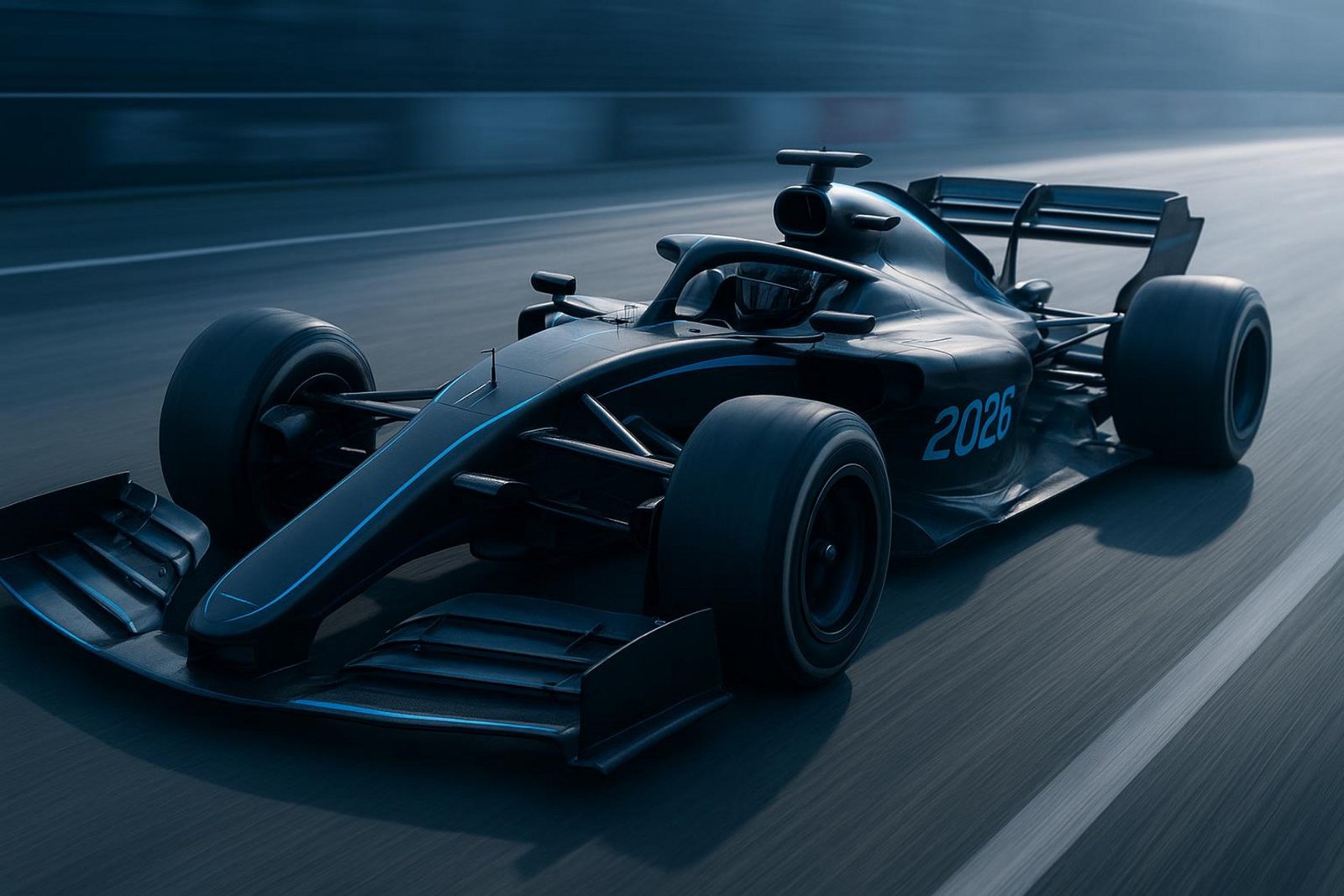
These changes aim to fix the “dirty air” problem that makes it hard to follow another car, while also making F1 cleaner and more appealing to big car makers like Audi and Ford.
By removing complex parts such as the MGU-H and moving to 100% sustainable fuel, F1 is shifting to a future where driver skill and smart energy use matter more than extreme aerodynamic tricks.
Early 2026 feels different for everyone involved. This isn’t a small tweak to the front wing or a simple tire update; it is the biggest rule change since the World Championship began. The idea is to build cars that are tougher to handle on the limit but easier to race closely, so the “chess match at 200 mph” stays exciting for fans and demanding for drivers.
F1 2026 Rules Explained: What’s Changing and Why It Matters
When Do the 2026 F1 Rules Take Effect?
The new era starts with the first race of the season on March 6, 2026. The push for these changes began years ago, with the new power unit rules signed off back in 2022. That early decision gave engine makers time to create completely new units and teams time to redesign their cars from scratch.
The changeover has been intense, built on three years of work between the FIA, Formula 1, and the teams. The cars are only now turning wheels on track, but the “launch season” began earlier, with Red Bull and Racing Bulls showing their cars on January 15.
Before the first race, key pre-season tests in Barcelona and Bahrain will give the first real look at these smaller, more agile machines.
What Is Driving the New F1 Regulations?
The main idea behind the rules is the “Nimble Car Concept.” Modern F1 cars had become big and heavy, raising concerns that they were too clumsy on tight street tracks and too dependent on complex aero that made overtaking hard. The 2026 rules cut size and weight, putting the focus back on agility and driver reactions.
Safety and sustainability are the other key goals. The FIA has added tougher crash tests for the survival cell and strengthened the roll hoop so it can handle forces equal to the weight of nine family cars.
At the same time, the switch to 100% sustainable fuel keeps F1 relevant as road cars move away from fossil fuels, showing that high-speed racing can go hand-in-hand with cleaner technology.
How Do the New Rules Benefit Fans and the Environment?
For fans, the main gain is closer racing. The new aero rules aim to keep about 90% of a car’s downforce even when it’s right behind another car, a huge step forward. That should mean more side-by-side fights and fewer dull, single-file races. Active aero and new “Overtake” modes also add strategy, as viewers can see drivers planning when to spend their stored energy.
For the environment, F1 is turning into a test bed for future fuels. By moving to advanced sustainable fuels made from waste and non-food sources, the sport shows that engines can run at full power without adding extra CO2 overall.
These steps have already drawn in more car makers, including Audi and returning partners Honda and Ford, strengthening the grid and its long-term future.
Key 2026 F1 Terminology: Jargon-Free Definitions
Power Unit (PU)
The Power Unit is the full hybrid system that drives the car. It includes both the fuel-burning engine and the electric side, working together to produce over 1,000 horsepower.
Internal Combustion Engine (ICE)
The ICE is the classic part of the car: a V6 turbo engine burning sustainable fuel. From 2026, it delivers about half of the total power (around 400kW or 535bhp), less than before so that the electric side can play a bigger role.
MGU-K (Motor Generator Unit - Kinetic)
The MGU-K is a powerful electric motor connected to the drivetrain. Under braking it acts like a generator, turning movement into electricity. Under acceleration it works as a motor, giving the car a strong electric push.
50/50 Split
The 50/50 split is the key number for 2026. It means the car’s total power is shared almost evenly between the ICE and the MGU-K. Compared with older hybrids, this is a big step toward electric power doing as much work as the engine.
Active Aero
Active Aero is a system of moving wings that adjust while the car is running. The front and rear wings can change angle to give extra grip in corners or cut drag on the straights, similar to an airplane moving its flaps.
Overtake Mode (The new DRS)
Overtake Mode replaces the old Drag Reduction System. It gives the chasing driver extra electrical power when they’re within one second of the car ahead. This extra push helps close the gap and complete an overtake.
Boost Mode
Boost Mode is the general “full power” setting. Any driver can use it at any time, as long as the battery has enough energy. It’s mainly used for qualifying laps or key moments in a battle, on either attack or defense.
Recharge
Recharge is filling the battery back up. The car does this when the driver brakes or eases off the throttle. Drivers must balance using energy to go fast with recharging it, so they still have power available later in the race.
Straight Mode vs. Corner Mode
These are the two main active aero settings:
- Straight Mode - wings flatten, drag drops, and top speed rises.
- Corner Mode - wings move to a steeper angle, pushing the car into the track and giving more grip.
Sustainable Fuel
Sustainable fuel is made without using new fossil oil. It comes from captured carbon or waste materials and burns like normal petrol, with the same sound and performance. The difference is that it does not add extra CO2 overall, so the engine can run “green.”

F1 2026 Powertrain Changes: Simplifying Hybrid Technology
What Is a 50/50 Power Split in F1?
The 50/50 split is the main feature of the 2026 power units. In the past, the electric side supported the engine. Now, both sides work at similar levels. The ICE delivers about 400kW, and the MGU-K provides 350kW, so nearly half of the thrust comes from electricity.
This makes F1 technology closer to what car makers use on the road. As road cars move to hybrids and EVs, the lessons learned in F1 about batteries and energy use can move straight into showrooms. It’s no longer just about burning fuel but about how smartly every bit of energy is used.
How Will Engines Change for 2026?
The engine is still a 1.6-liter V6 turbo, but its job and internals are adjusted. The ICE’s peak power drops from about 550kW to 400kW. In return, the electric motor’s power jumps from 120kW to 350kW.
Fuel use changes too. With 100% sustainable fuel, teams must run different engine maps and combustion settings. The end product is an engine that is still fast and loud but with less carbon impact and a much harder electric shove, especially out of slow bends.
Why Is MGU-H Being Removed?
The MGU-H took energy from the hot exhaust gases. It was very clever but also very costly, heavy, and hard to work with. It also had little use for everyday road cars, which made it a problem for new makers like Audi and Ford who wanted tech they could use beyond racing.
Removing the MGU-H makes the power unit simpler, cheaper, and lighter. It brings back some “turbo lag,” where there’s a small delay between pressing the throttle and getting full boost. Drivers now have more to manage with their right foot, making mistakes more likely and racing more exciting.
What Makes the 2026 Hybrid System Unique?
The 2026 hybrid stands out for its level of energy recovery and its Manual Override features. The Energy Recovery System can now collect about twice as much energy per lap as before. It can harvest energy not just under braking, but also when the driver lifts off at the end of a straight or in some corners.
This turns energy into a limited resource that teams must manage. Drivers and engineers must choose when to save and when to spend. A driver might give up some pace on one lap to recharge the battery, then attack hard the next lap with full power available.
Aerodynamics in 2026: Simplified Cars, Less Drag, More Action
How Are F1 Car Sizes and Weight Changing in 2026?
The 2026 cars are shrinking. To make them more nimble, the wheelbase is 200mm shorter (down to 3400mm), the width is cut by 100mm, and the floor is 150mm narrower. These smaller cars should look better balanced and open up more racing lines on tight tracks.
Weight also drops, with a 30kg reduction target, bringing the minimum to 724kg (including tires). In F1 terms, 30kg is a big gain. A lighter car reacts faster, can brake later, and feels more “alive” to the driver, moving away from the heavy feel of the 2022-2025 cars.
What Is Active Aerodynamics Replacing DRS?
DRS was the main overtaking aid for more than ten years, but many felt it looked too artificial. In 2026, the old DRS is gone. It’s replaced by a full Active Aero system, where both front and rear wings move together to balance drag and downforce.
This system is not just for passing. Every driver can use it every lap in set zones. By opening the flaps on the straights in Straight Mode, drag drops by up to 55%. This helps save energy, as the car can stay quick without draining the battery as much. Active Aero is now built into how the car works, not just an add-on for overtakes.
How Do Straight and Corner Modes Work?
Switching between modes is a new part of the driver’s rhythm.
In Corner Mode, the wing flaps are closed and steep. This creates more downforce, pressing the car onto the track so it can carry higher speed through turns.
As the driver leaves a corner and reaches a marked straight, they or the car’s system switch to Straight Mode. The flaps flatten, drag drops, and top speed climbs. When the driver reaches the next braking point, the wings snap back to Corner Mode, giving stability and grip for slowing down.

What Are Narrower Tyres and Why Do They Matter?
Pirelli still supplies the 18-inch wheels, but the tires are slimmer. The fronts are 25mm narrower, and the rears are 30mm narrower. This supports the Nimble Car idea. Narrower tires cut down the turbulent “wake” behind the car, helping the car behind to stay close.
They also reduce drag and unsprung mass. Grip is slightly lower than with the wider tires used before, and that’s on purpose. With less grip, the cars slide more, rewarding drivers with better car control and giving fans more visible action through the corners.
Overtake and Boost: The New Ways to Pass in F1 2026
What Is Overtake Mode in Simple Terms?
Overtake Mode is the new system that covers the “passing” part of what DRS used to do. If you’re within one second of the car ahead at a set detection point (often the final corner), you gain access to Overtake Mode for the next lap. Instead of changing the rear wing, it gives you extra electrical power.
When you press it, Overtake Mode supplies an extra +0.5MJ of energy and lets the motor keep full power for longer. While the leading car’s electric power starts to drop after about 290km/h, the chasing car in Overtake Mode keeps full electric power up to around 337km/h. That extra speed gives the chance to get alongside and pass.
What Is Boost Mode and When Can Drivers Use It?
Boost Mode is the general “go faster” setting that F1 has used in various forms for years, but it’s more central now. It lets a driver use the full 350kW from the MGU-K whenever they choose. No gap to another car is needed, so it’s key for qualifying and for attacking or defending during the race.
The downside is that Boost Mode drains the battery quickly. Drivers have to plan: spend it all on the main straight to keep a rival behind, or save it for the run out of a slow corner where it might be more effective? These choices will shape the flow of the race.
How Does Recharge Work During a Race?
Recharging is now a big part of race tactics that viewers will notice. The car’s Electronic Control Unit (ECU) handles most energy recovery automatically, collecting energy under hard braking or through “super clipping,” where it harvests even at the end of a straight while still at full throttle.
Drivers can also help the process through “lift-off regen.” If they’re low on battery, they can lift off the throttle a bit earlier before braking. The car then uses that extra rolling time to spin the MGU-K and refill the battery. You may see a driver drop back for a lap or two to recharge, then come back with a full battery for a strong attack.
Sustainability: Making F1 Greener with 2026 Rules
What Is Sustainable Fuel in F1?
Sustainable fuel is the key environmental piece of the 2026 rules. Unlike normal pump fuel, it uses Advanced Sustainable Components (ASCs) made from captured CO2, city waste, or non-food plant material like crop stalks. It works in a loop where the carbon used was already in the cycle instead of being pulled from underground oil.
The fuel is “drop-in,” meaning it can run in an engine without major changes. For F1, that means they can keep the high-revving, emotional sound of a classic engine while running at net-zero carbon. It sends a clear message that combustion engines can have a cleaner future.
How Do the New Rules Cut Carbon Emissions?
Carbon cuts come from both the fuel and how the cars use energy. By forcing the use of 100% sustainable fuel, F1 stops adding new fossil carbon to the system. Any CO2 from the exhaust was either captured from the air or would have been released anyway from waste breaking down.
The cars are also built to use less energy overall. With up to 55% less drag in Straight Mode, they need less power to push through the air. Combine that with a hybrid system that recovers twice as much energy as before, and you get racing that delivers high speed with less total energy burned.
How Do the Changes Affect Manufacturers and Fans?
For car makers, these rules act as a clear signal. Audi came in because of the sustainable fuel focus and the scrapping of the MGU-H. Honda stayed, and Ford teamed up with Red Bull, as the rules fit their wider company plans. More makers bring more investment, more ideas, and a stronger base for F1.
For fans, the move to greener tech means F1 has a solid future. While some series are going fully electric, F1 has found a way to keep its trademark sound and speed while also leading on clean fuel and hybrid tech. The sport keeps its character and gains a stronger place in the modern world.
Strategy and Competition: How 2026 Rules Impact Teams and Racing
Smaller, Lighter Cars: What Will It Mean for Racing?
Smaller cars free up space on the track. On narrow circuits such as Monaco, Singapore, or Zandvoort, 100mm less width can turn a risky lunge into a realistic move. The Nimble Car idea means drivers can react faster to others and try bolder lines.
With less weight and less downforce, the cars are trickier to drive. They’ll slide more in corners and react more to wind and small changes in track grip. That extra movement is good for racing: it leads to more driver mistakes, more chances for others to pounce, and more varied race results.
How Do the New Aero and Power Rules Affect Race Strategies?
Race plans in 2026 go beyond tires and pit windows. Energy planning is now central. Teams must decide how to use the battery during each stint. A driver who spends too much early might run low later and suffer “clipping,” where the car loses straight-line speed, leaving them easy to attack.
Expect to see phases of “attack laps” and “recharge laps.” A driver might sit just outside the one-second Overtake window and save energy for a few laps, then go all-in with Boost and Overtake together for a big push. That rewards drivers who can think ahead and manage resources, not just those with raw pace.
Will 2026 Rules Close the Gap Between Teams?
The rules aim to bring the field closer. By simplifying floors and removing the deep ground-effect tunnels, the FIA has cut down on the areas where a single clever idea can create a huge gap. A flatter, simpler floor is easier for all teams to get working well.
Strict cost controls and more shared or standard parts also help tighten the field. With several major makers (Audi, Ferrari, Mercedes, Honda, Ford) all building engines to the same 50/50 concept, it’s harder for one team to gain a huge engine edge over everyone else.
What to Expect from the First 2026 F1 Race Weekend
How Will Race Weekends Look Different in 2026?
The basic schedule stays similar, but the feel will change. The V6 engines are still loud, but more electric power means fans will hear the high-pitched MGU-K whine mixed with the engine note, plus more tire squeal as the lighter cars fight for grip.
On TV and trackside, active aero will stand out. Viewers will see wings changing shape between Straight and Corner modes as cars approach and exit braking zones. Graphics will highlight when a driver uses Overtake Mode, so fans can easily follow when a big move is coming.
What Should Fans Watch for With the New Rules?
Watch the exits of medium and slow corners. With less downforce and more instant electric torque, cars will want to snap sideways under power. Drivers will often use “opposite lock,” turning the wheel into the slide to catch it, which makes their skill easy to see.
Also, pay attention to speed trap figures at the end of the main straights. A car fully in Straight Mode will show much higher speeds than one stuck in Corner Mode or forced into a reduced aero setting in wet conditions. Late-race uses of the Boost button, combined with Overtake Mode, are likely to create some of the closest finishes in years.
Common Questions About F1 2026: Quick Answers
How close do you need to be to use Overtake Mode?
To use Overtake Mode, a driver must be within one second of the car ahead at the detection point, usually near the final corner. If they meet that limit, they gain extra electrical power for the full next lap, giving them a better chance to pass on the straights.
What happens when a driver activates Straight Mode?
When Straight Mode is activated, the front and rear wing flaps flatten or “open.” This cuts drag sharply and lets the car reach a much higher top speed than in Corner Mode. It’s like putting the car into a low-drag setup only for the fast sections of the lap.
The 2026 rules also bring a new “Section A” of General Regulatory Provisions, agreed in December 2025. This links the Technical, Sporting, and Financial rules with the same wording, making it harder for teams to exploit gaps between documents.
On top of that, fans will see a new name on the grid: Cadillac, the first completely new constructor since Haas in 2016. Cadillac will start with Ferrari engines, then switch to its own General Motors units in 2029. These fresh entries and updated rules mean 2026 is more than just another season; it marks a new start for the fastest show on Earth.