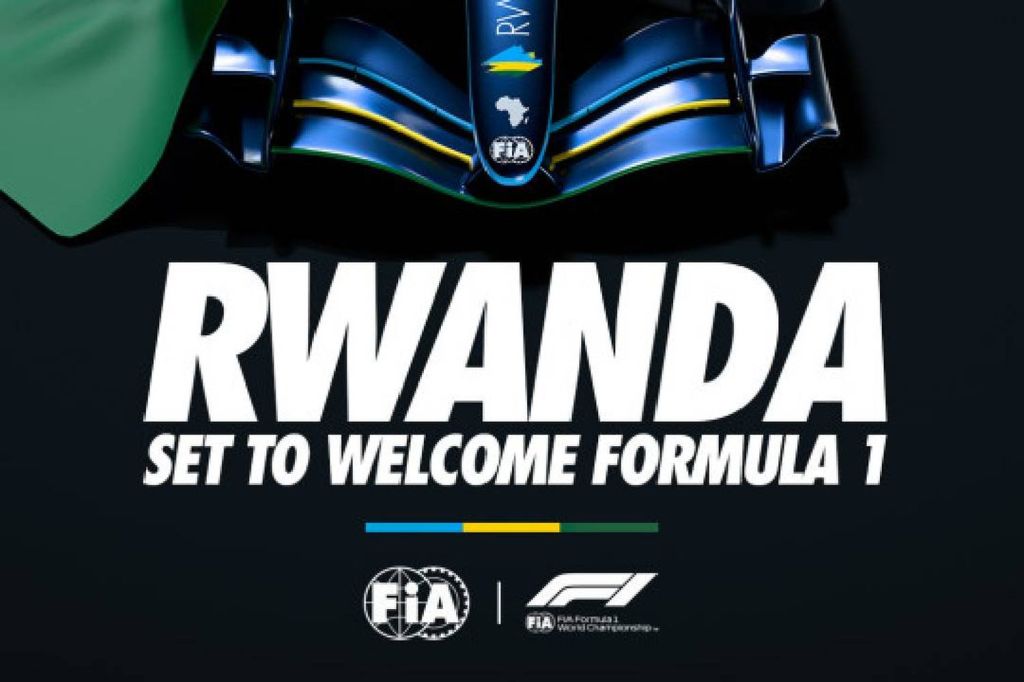
Formula 1 has signed a 10-year deal with Rwanda's government for an African Grand Prix, its first race in Africa since 1993, on a new track near Kigali.
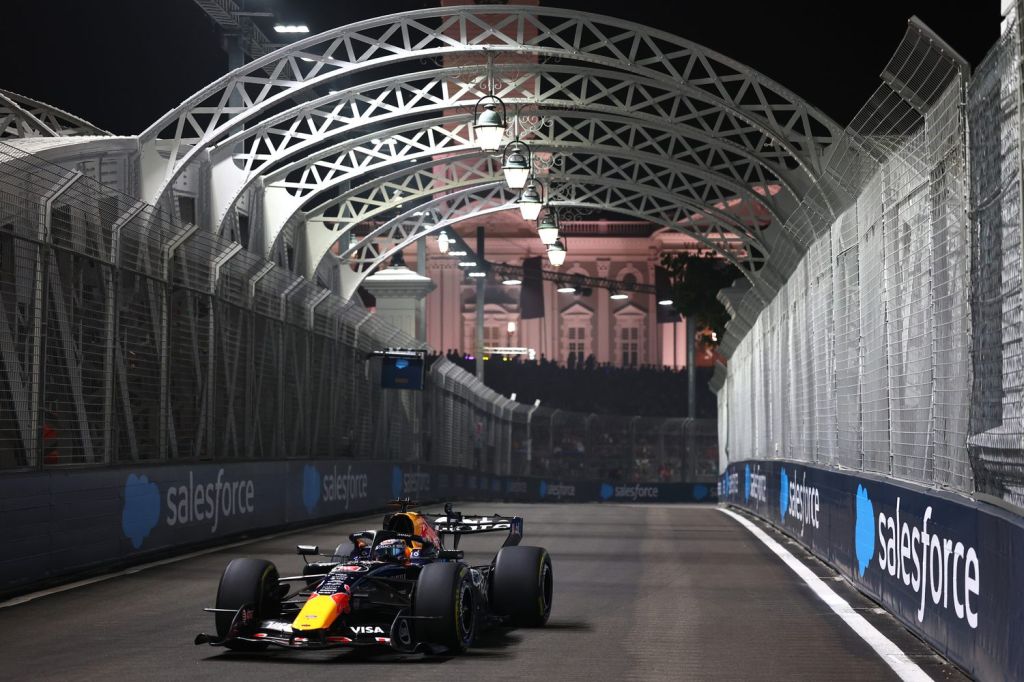
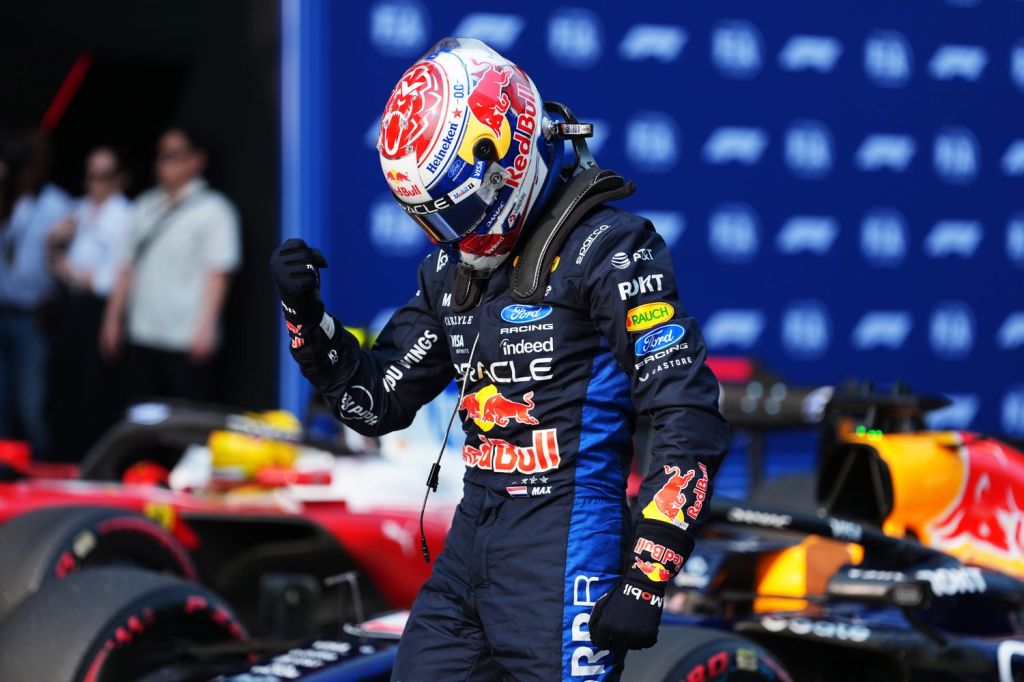
Max Verstappen led from start to finish to win the Singapore Grand Prix ahead of Leclerc and Antonelli, whose third place extends his title lead to 102 points.
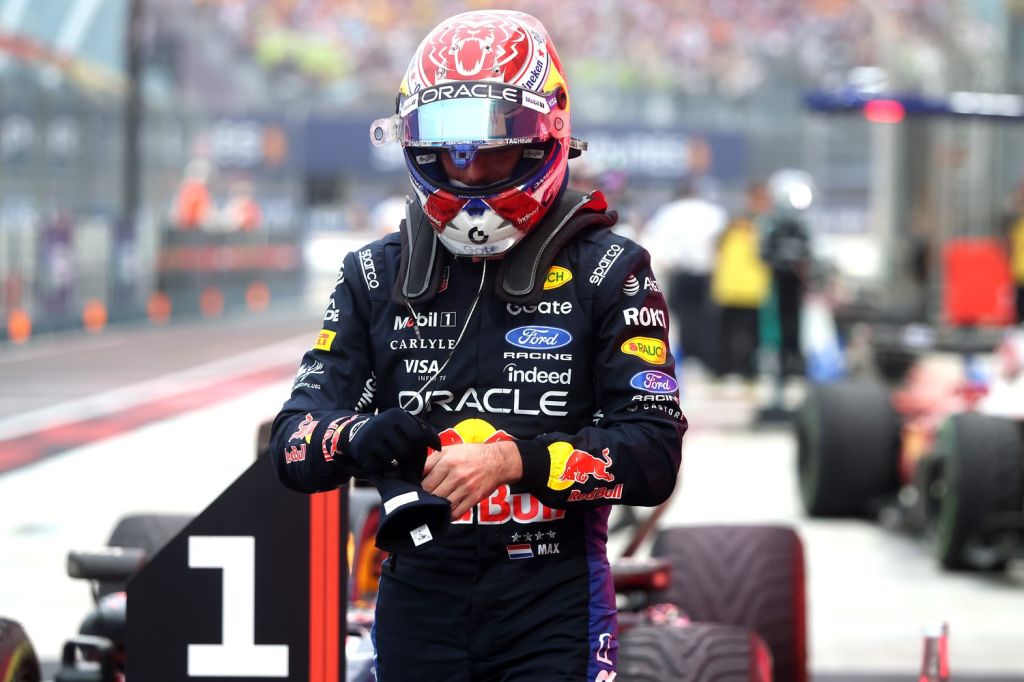
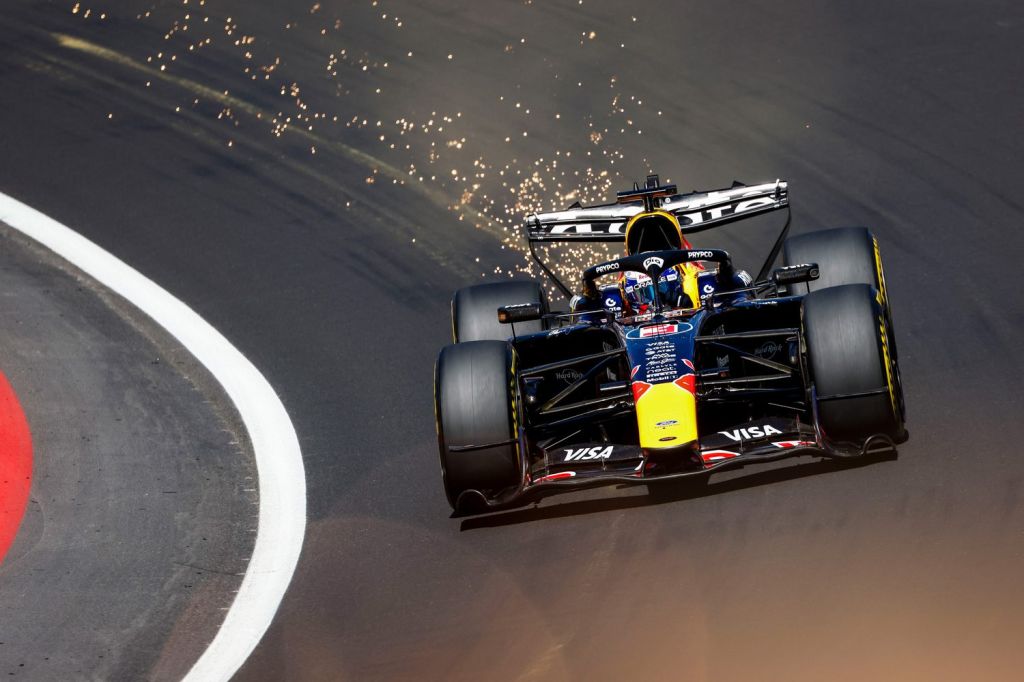
Max Verstappen won the sprint, then took Singapore GP pole in 1:31.373, 0.054s ahead of Leclerc. Points leader Antonelli starts fourth, Hadjar from 21st.
Formula 1 could return to Africa for the first time since 1993, with reports pointing to a new circuit near Kigali, Rwanda. F1 has not confirmed it yet.
The 2027 WRC season will have 15 rounds, the most since 2008. The US and Scotland join, and the Italian round moves from Sardinian gravel to tarmac in Rome.
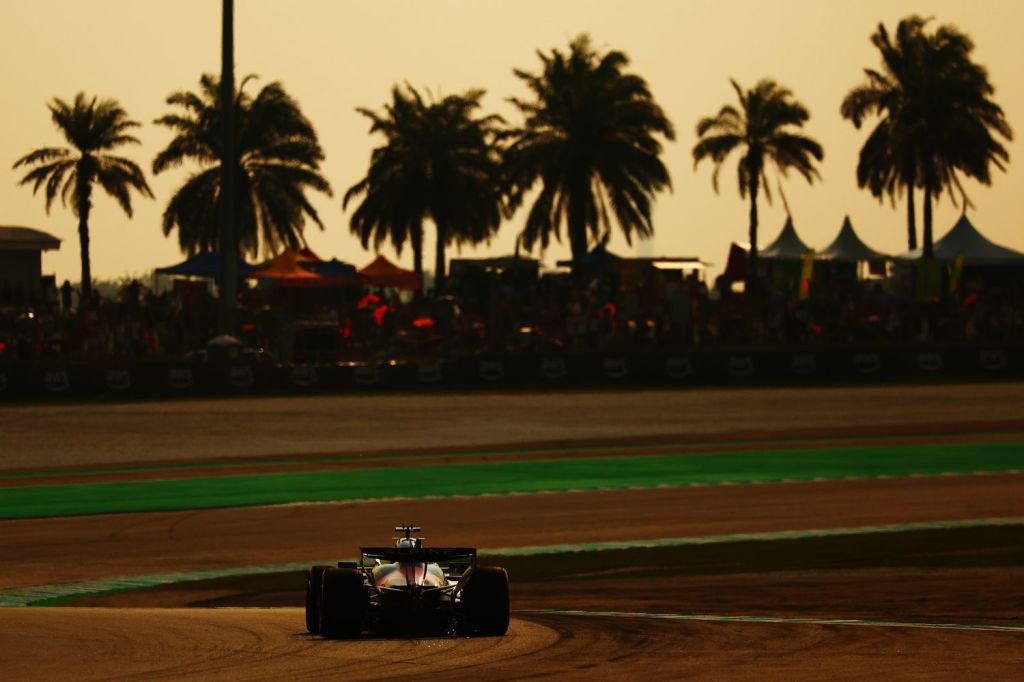
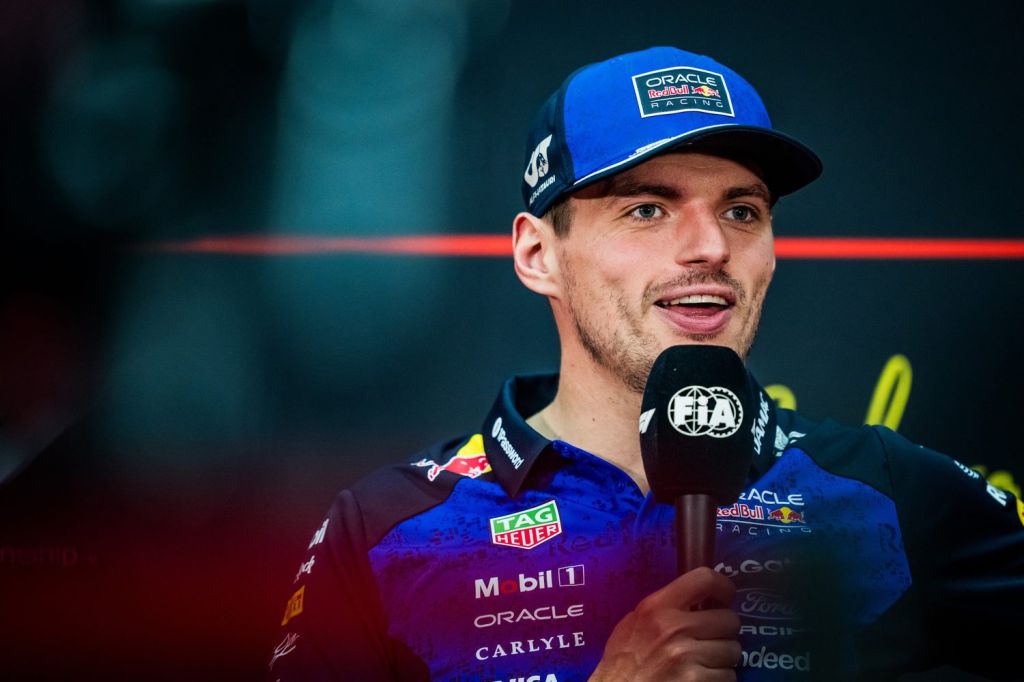
Max Verstappen won the Bahrain GP at Sepang from pole for Red Bull's first win of 2026. Russell's power unit failure left him 84 points behind Antonelli.
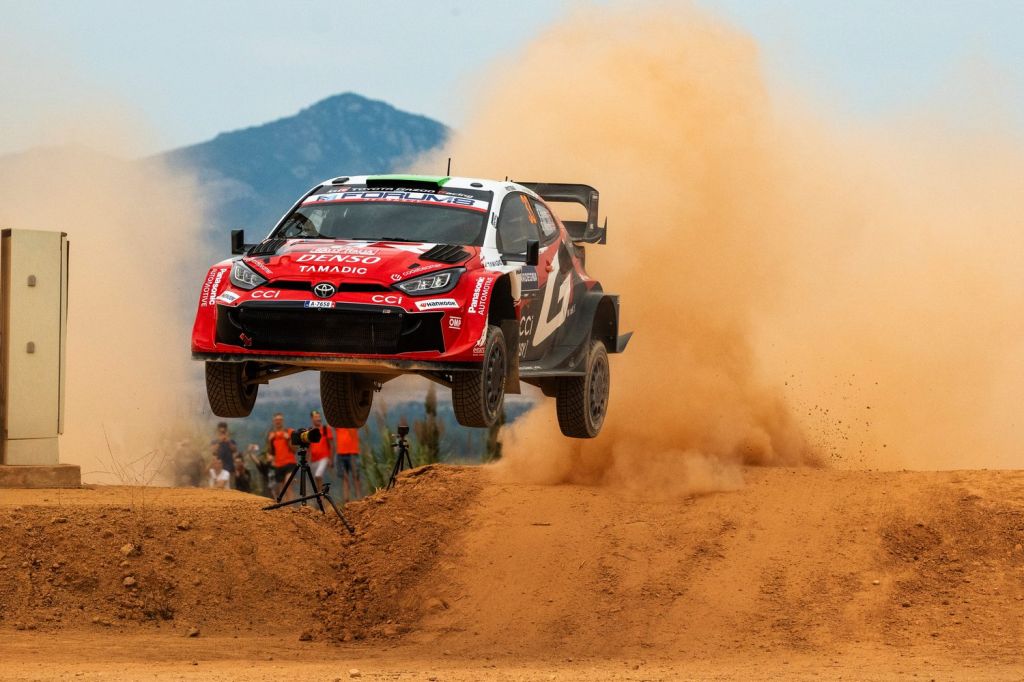
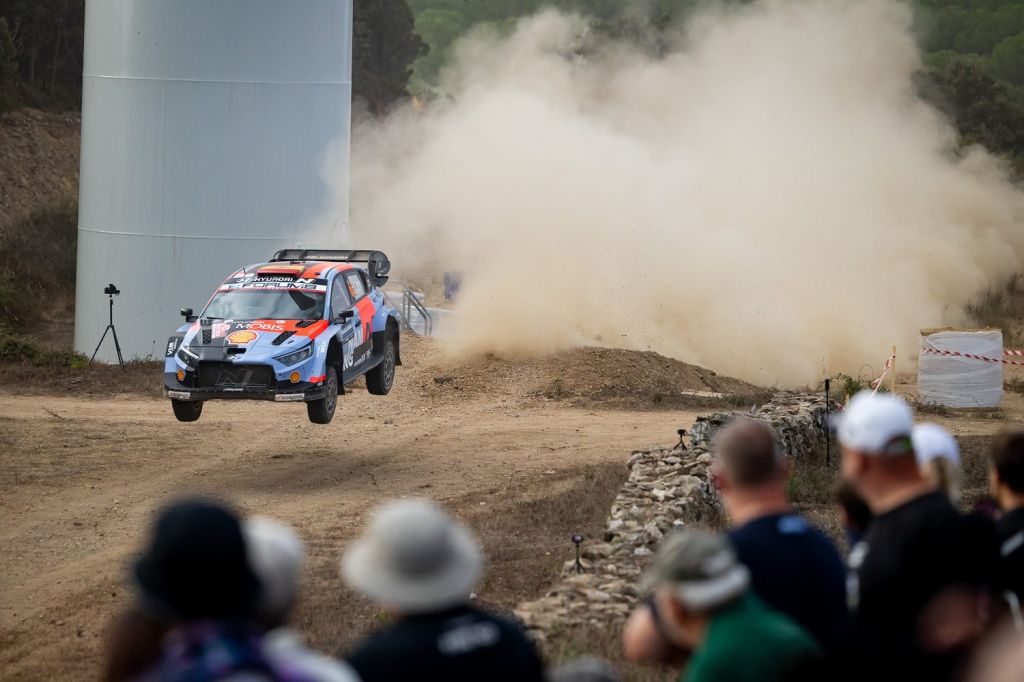
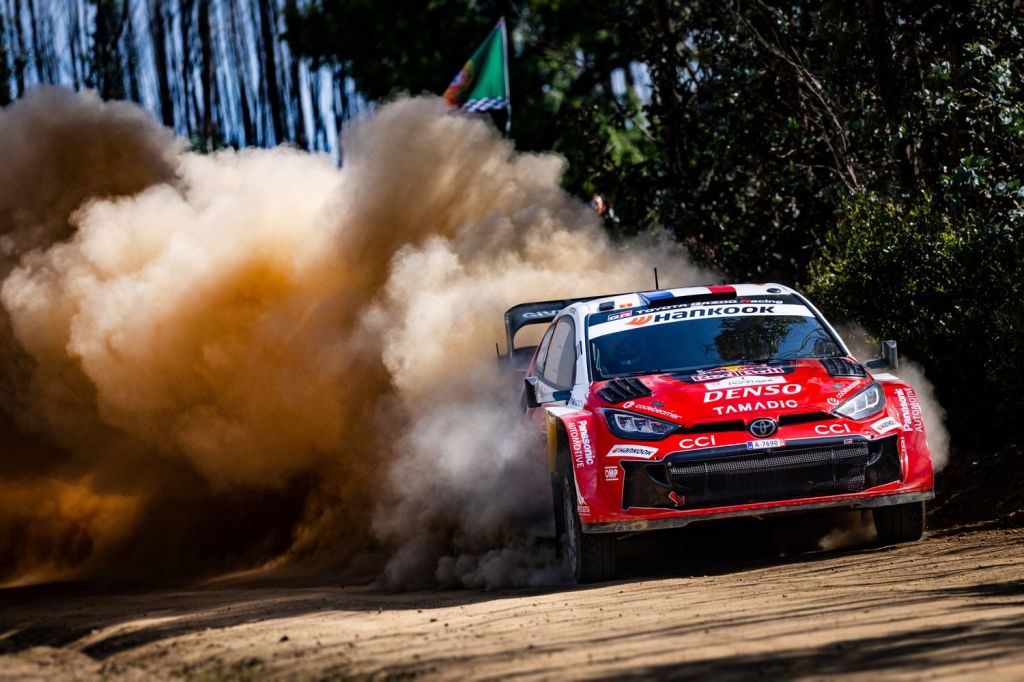
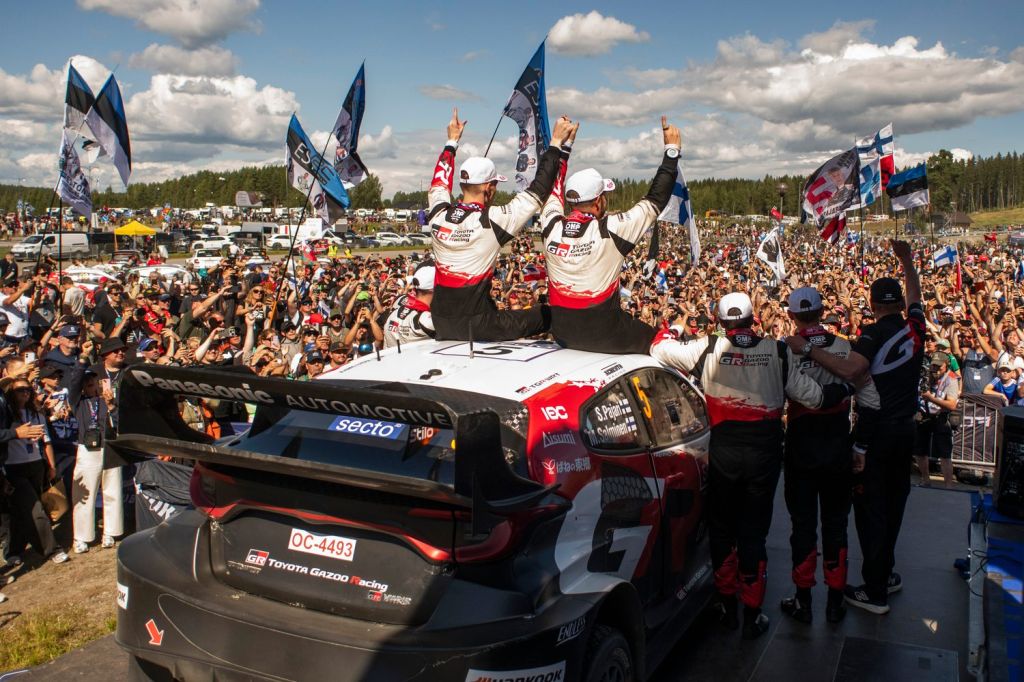
Evans and Scott Martin clinched the 2026 WRC title when Oliver Solberg ran wide late on the Rally Italia Sardegna Power Stage. Solberg won as Toyota swept the podium.
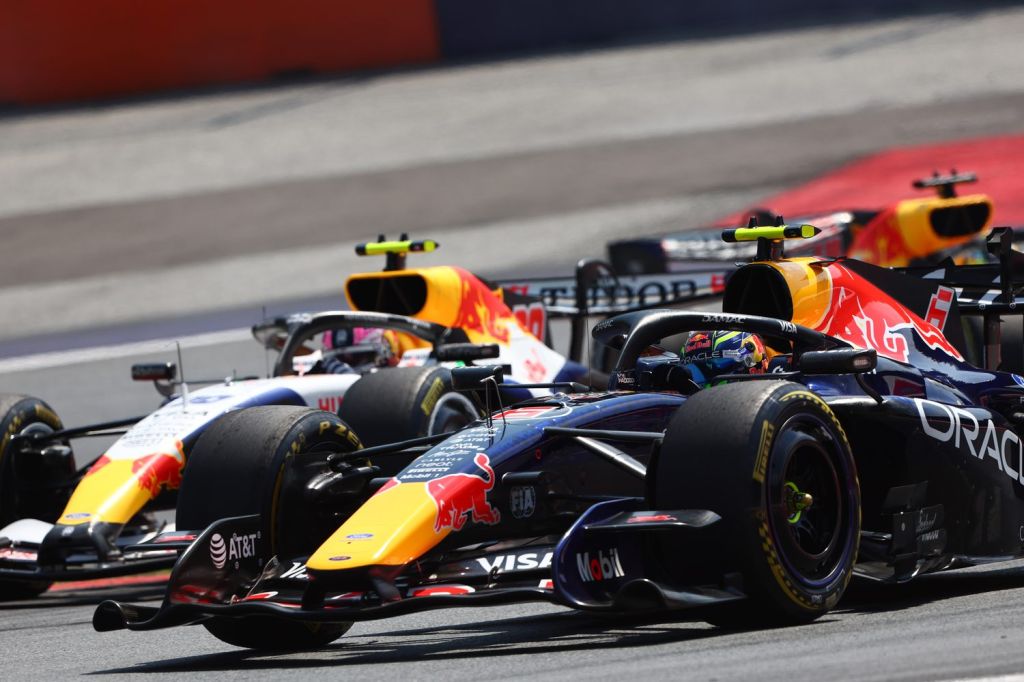
Max Verstappen beat Lewis Hamilton by 0.298s for Bahrain Grand Prix pole at Sepang, while Mercedes had its worst qualifying of the year after a major upgrade.
Thierry Neuville won Friday's last stage to lead Fourmaux by 0.4s. Third-placed Solberg is 27.9s ahead of Pajari and 56.6s clear of points leader Evans.
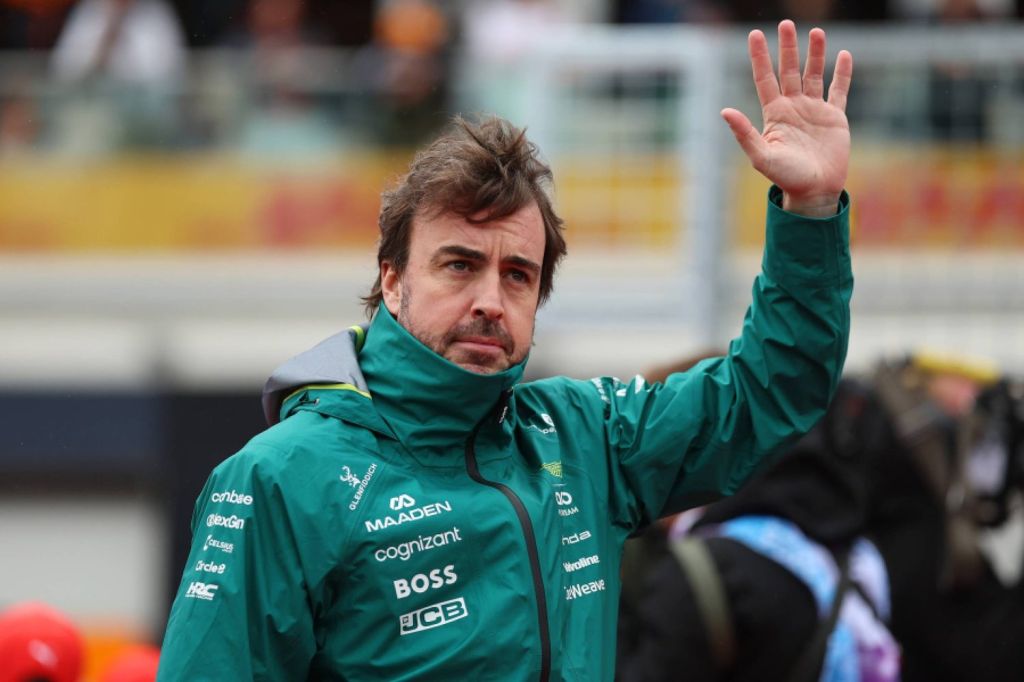
Fernando Alonso, 45, has signed a new Aston Martin contract and will start his 24th F1 season in 2027. Lance Stroll also stays, leaving four seats open for 2027.
The FIA and manufacturers agree on a 3.0-liter V8 with a smaller turbo and a 100 kW electric motor. Street circuit noise limits helped rule out a non-turbo V8.
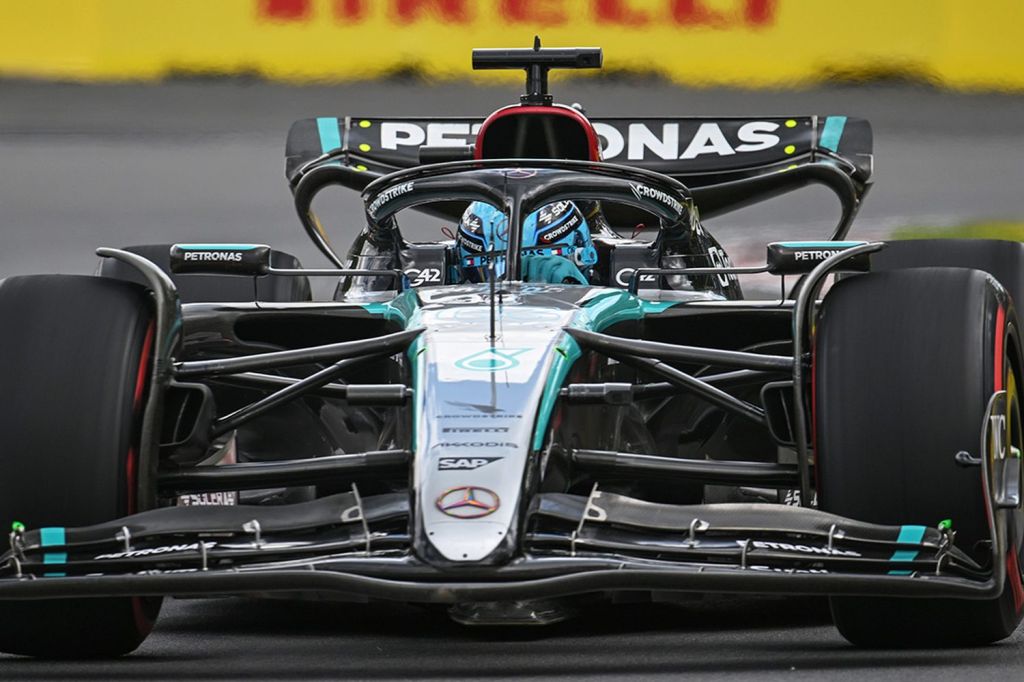
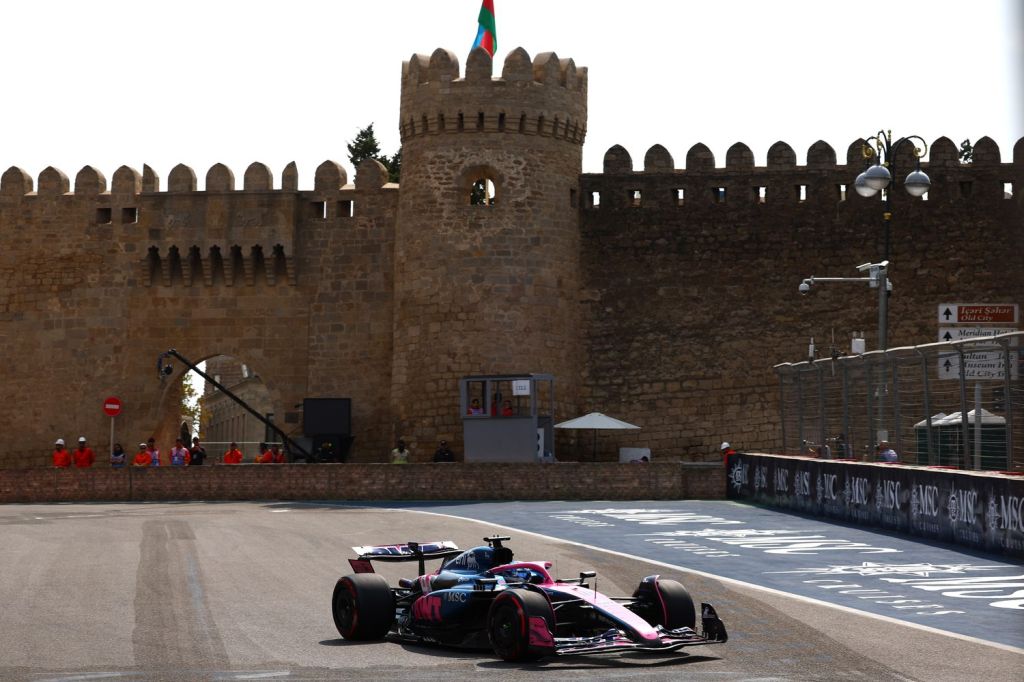
George Russell took pole in Baku by 0.837s from Charles Leclerc. Championship leader Kimi Antonelli damaged his Mercedes in Q1 and is set to start 16th.
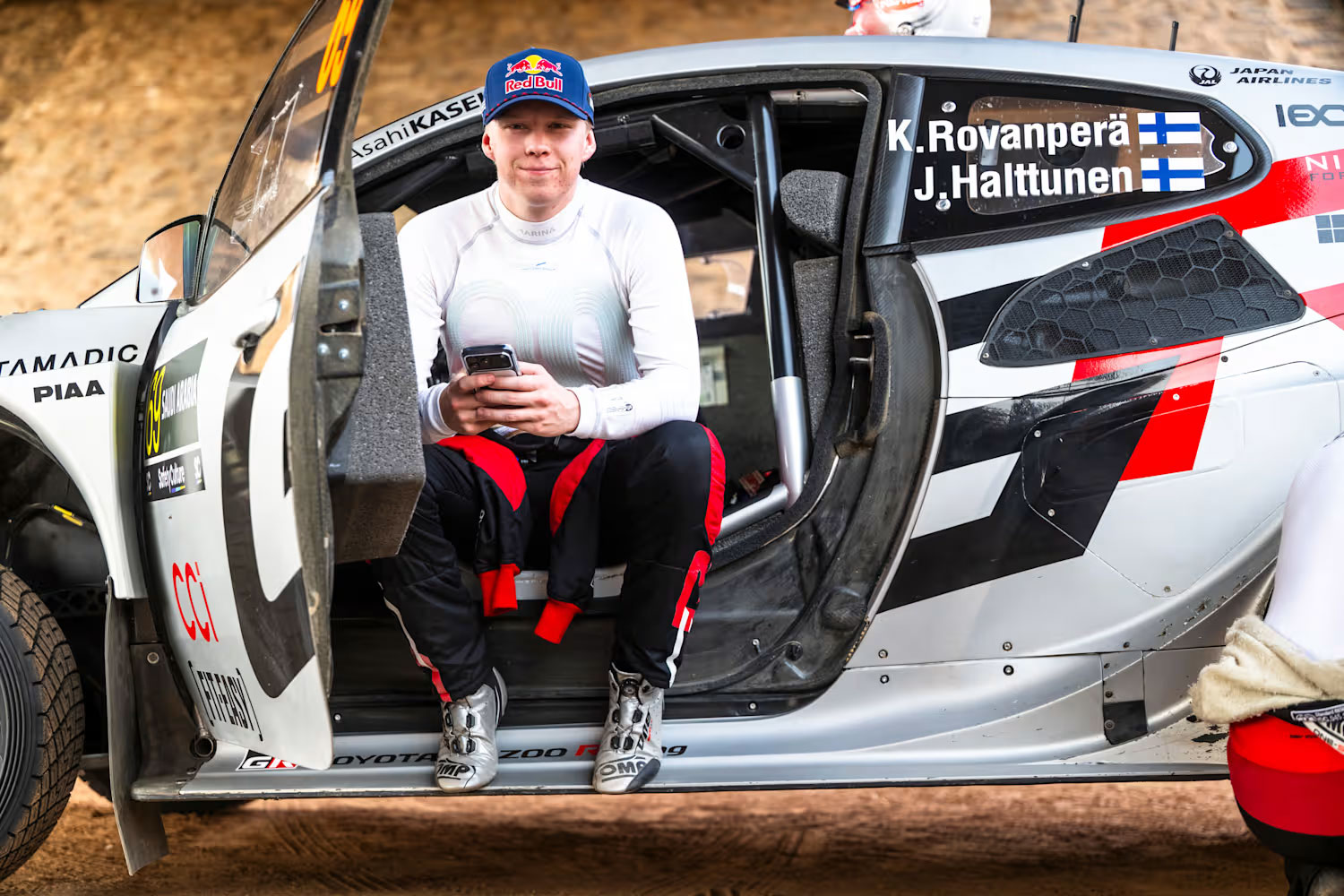
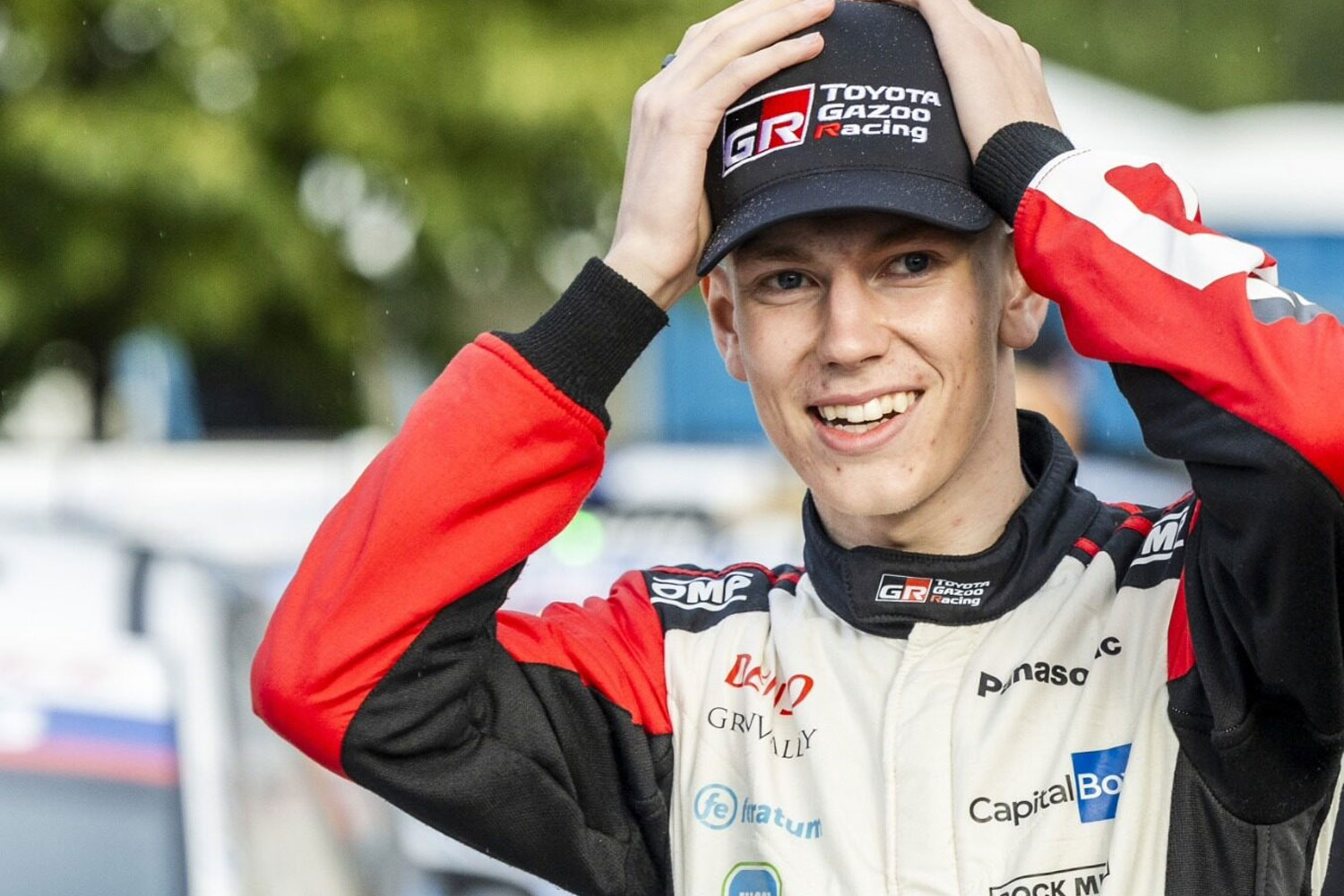
Kalle Rovanperä drove Toyota's GR Yaris Rally1 for the first time in almost a year at a Tennessee promo day. Asked about 2027, he says nothing is decided.
Formula 1's provisional 2027 calendar runs 24 grands prix across 22 countries, expands the sprint program from six to ten rounds, and restores Portugal and Turkey to the schedule.
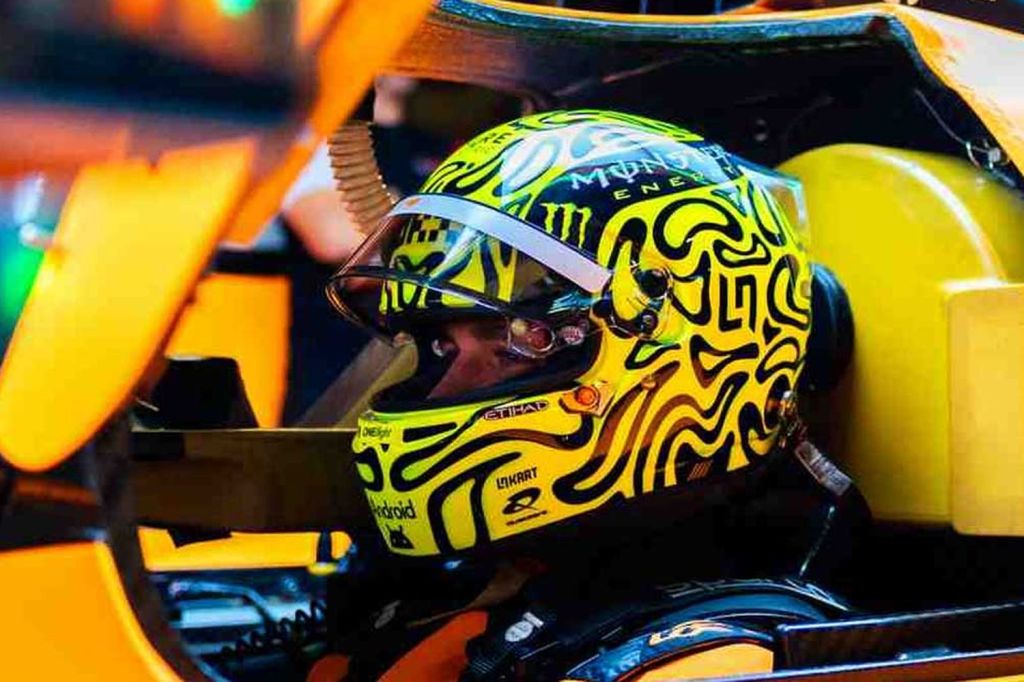
The day after losing the Spanish GP to a VSC, Lando Norris ran 38 laps at Portimão in McLaren's LMDh hypercar, his first full test in the MCL-HY ahead of the team's 2027 WEC debut.
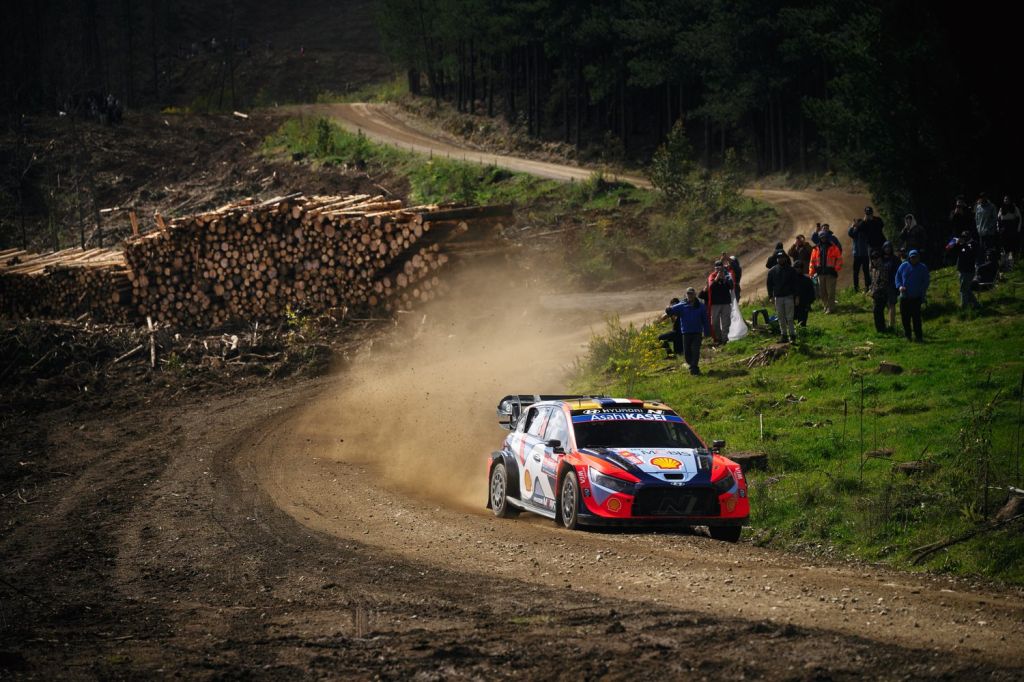
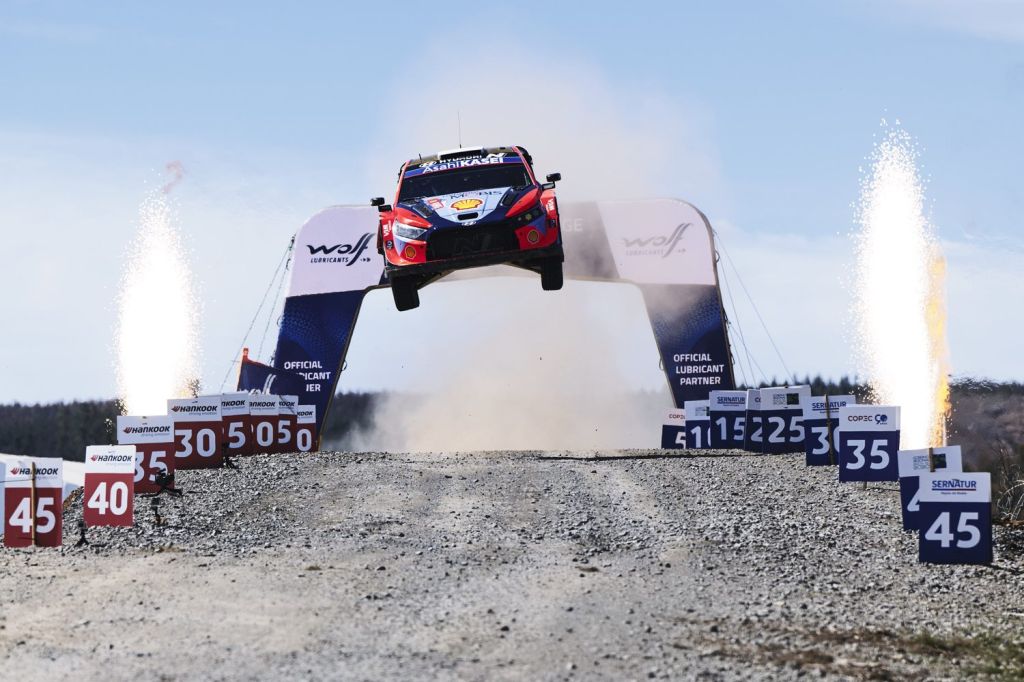
Elfyn Evans leads Sami Pajari by 17 points and Oliver Solberg by 21 after Rally Chile. Toyota boss Juha Kankkunen says the drivers will settle the title on the road.
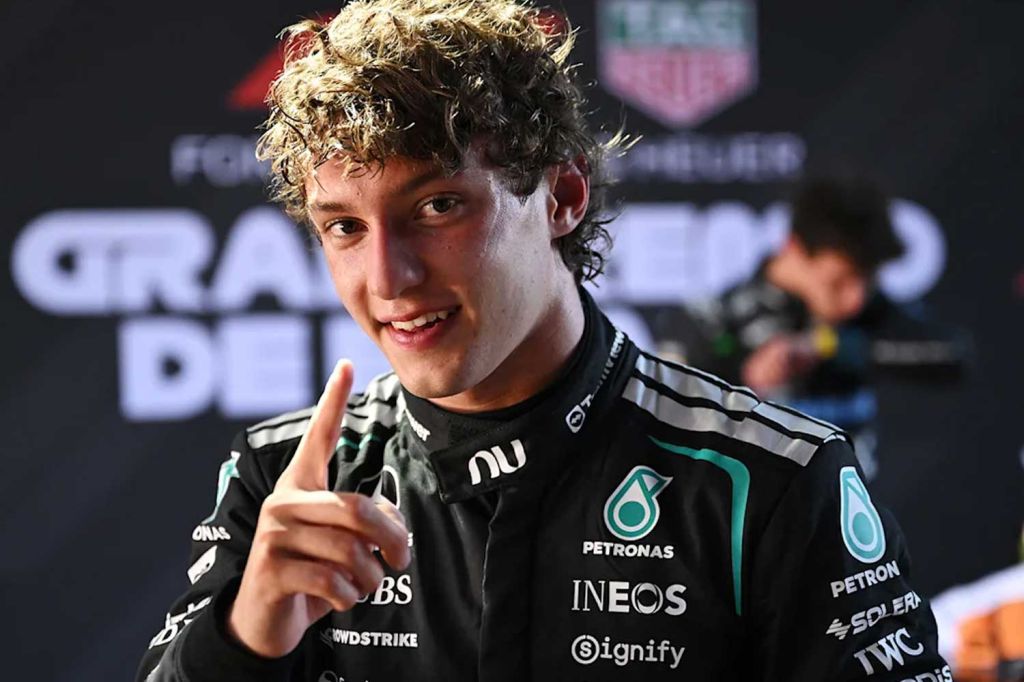
Kimi Antonelli took his eighth win of 2026 at the inaugural Spanish Grand Prix on the Madring circuit, beating Verstappen and Norris after a VSC-timed pit stop extended his championship lead to 81 points.
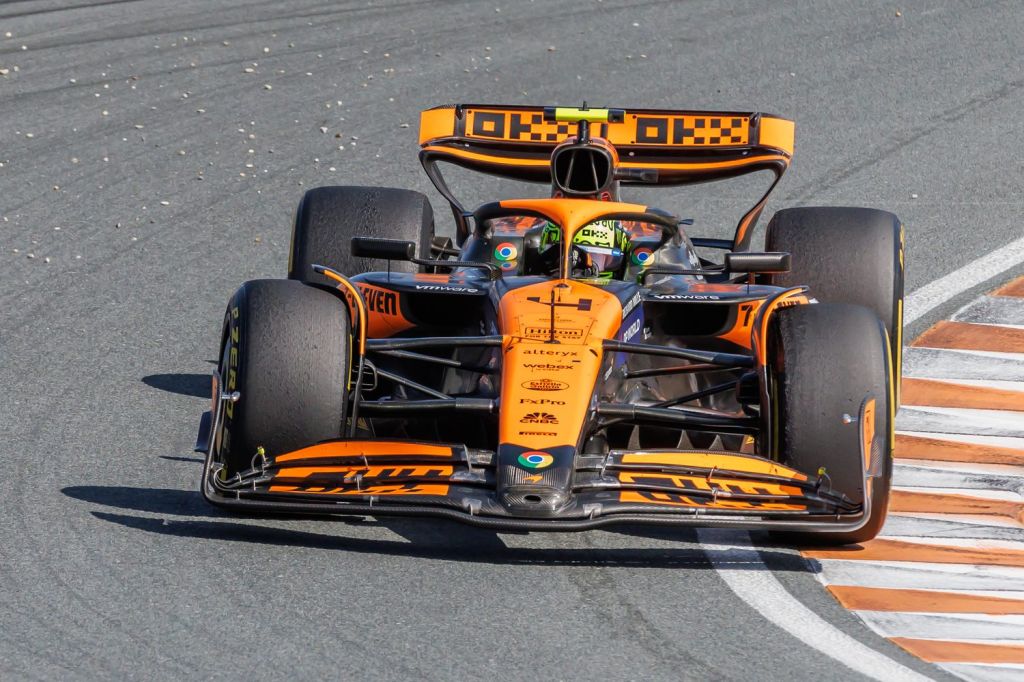
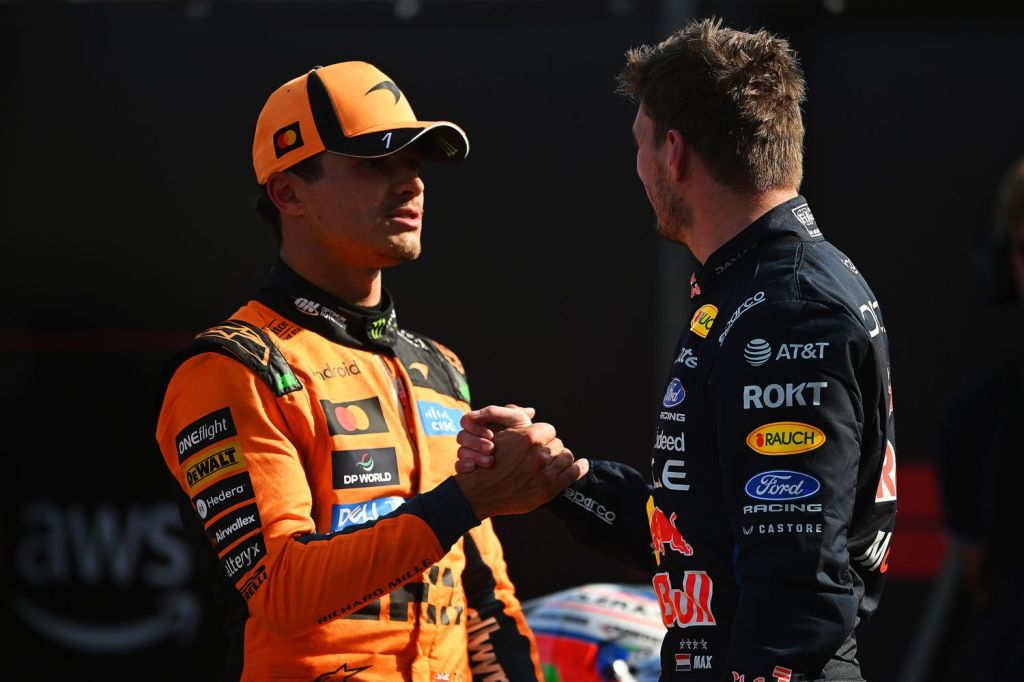
Lando Norris claimed pole position for the first Formula 1 race at Madrid's Madring circuit, edging championship leader Kimi Antonelli by 0.011 seconds, then admitted he thought he'd hit the wall on that final lap.
Teemu Suninen clinched the 2026 FIA European Rally Championship title with second place at Rali Ceredigion, one round early. Kris Meeke took his first ERC win.
FIA plans to reinvest WRC and ERC commercial rights revenue into rallying at every level, with the FIA Growth Fund leading the charge and FIA Rally Star potentially returning.
Project Rally One covered roughly 300 km in three days of testing in Germany. The new constructor is targeting a two-car debut at the 2027 Monte Carlo Rally.
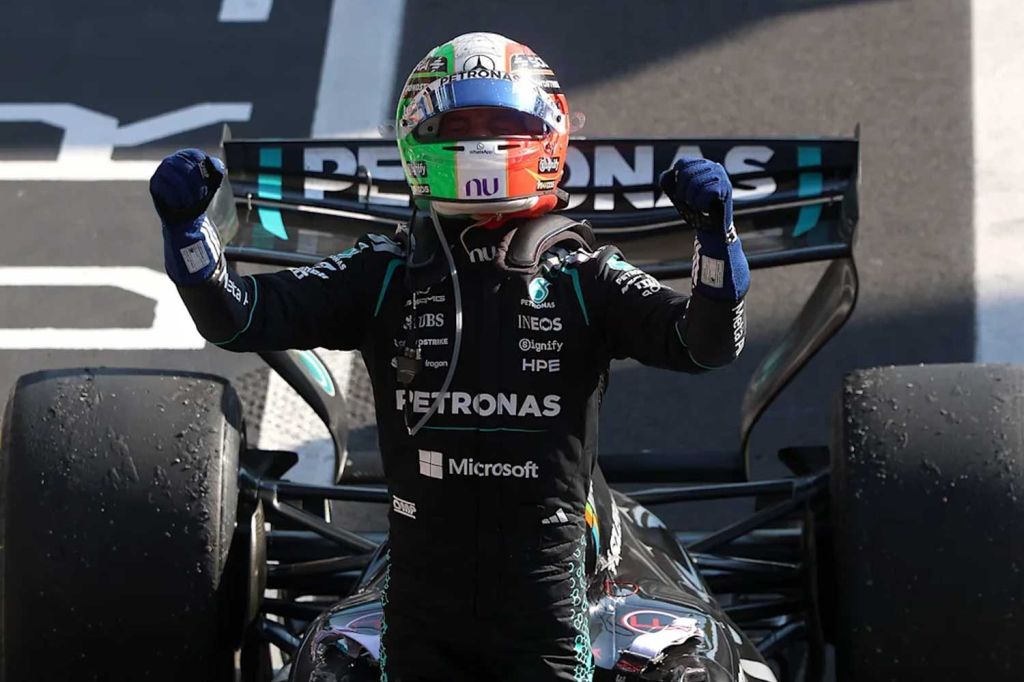
Kimi Antonelli started 19th at Monza and won the 2026 Italian GP, passing Russell three laps from the end. First Italian to win his home race since 1966; championship lead grows to 66 points.
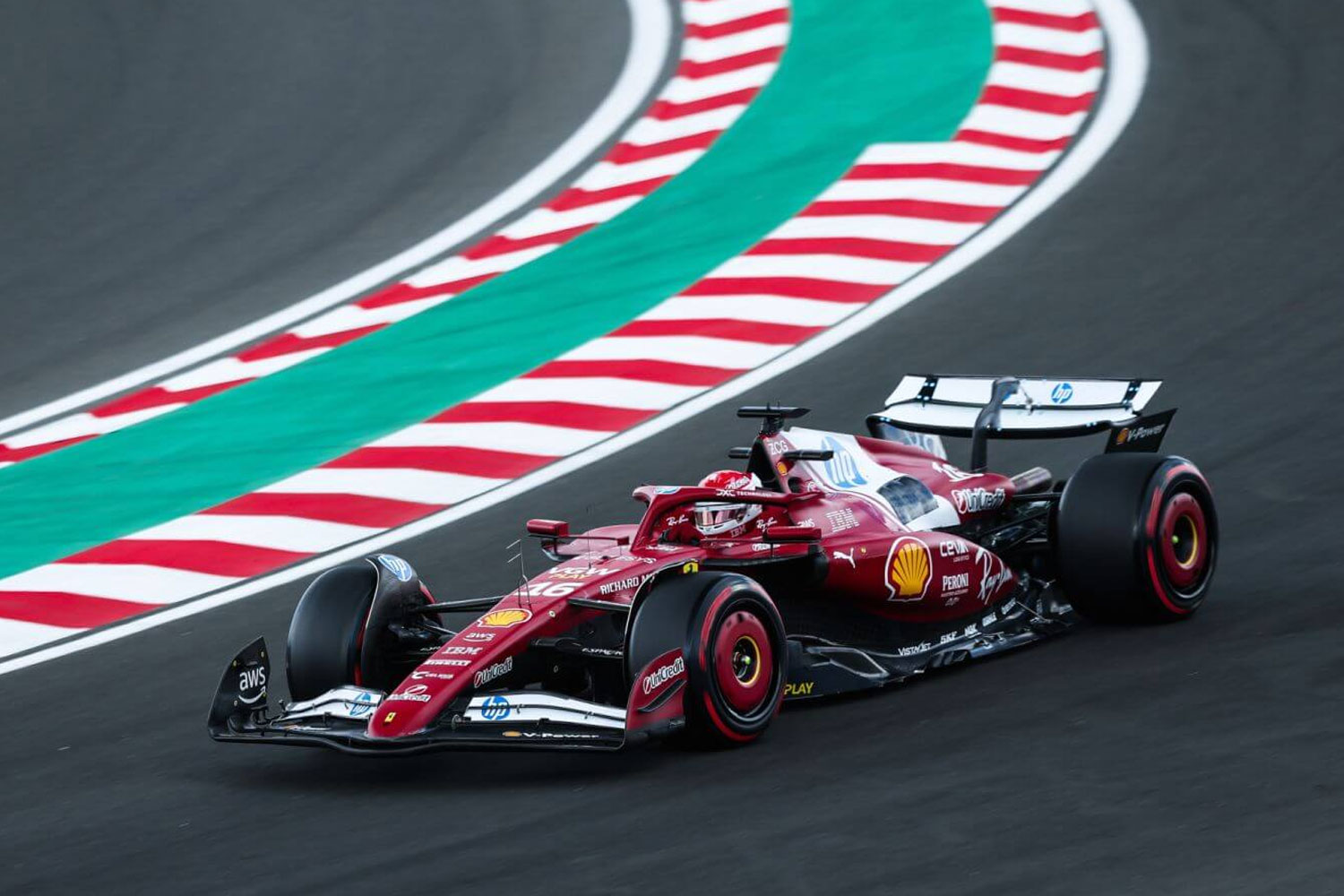
Hamilton and Leclerc will race at Monza in special Schumacher-tribute suits as Ferrari marks 30 years since Michael's debut season in red and 20 years since his last Monza win with the team.
Lando Norris has extended with McLaren through 2030 and says he's driving better now than when he won the title. That puts Oscar Piastri in a very uncomfortable spot.
Cosmobilis and Park Square Capital have acquired WRC Promoter GmbH in the biggest deal in rally history. New CEO Eric Boullier has laid out his vision: more manufacturers, a WRC Arena, and a stronger media push - without losing the sport's rally DNA.
Sami Pajari won Rally Paraguay to become the first driver in WRC history to open his career with three consecutive victories. Evans leads by just 20 points.
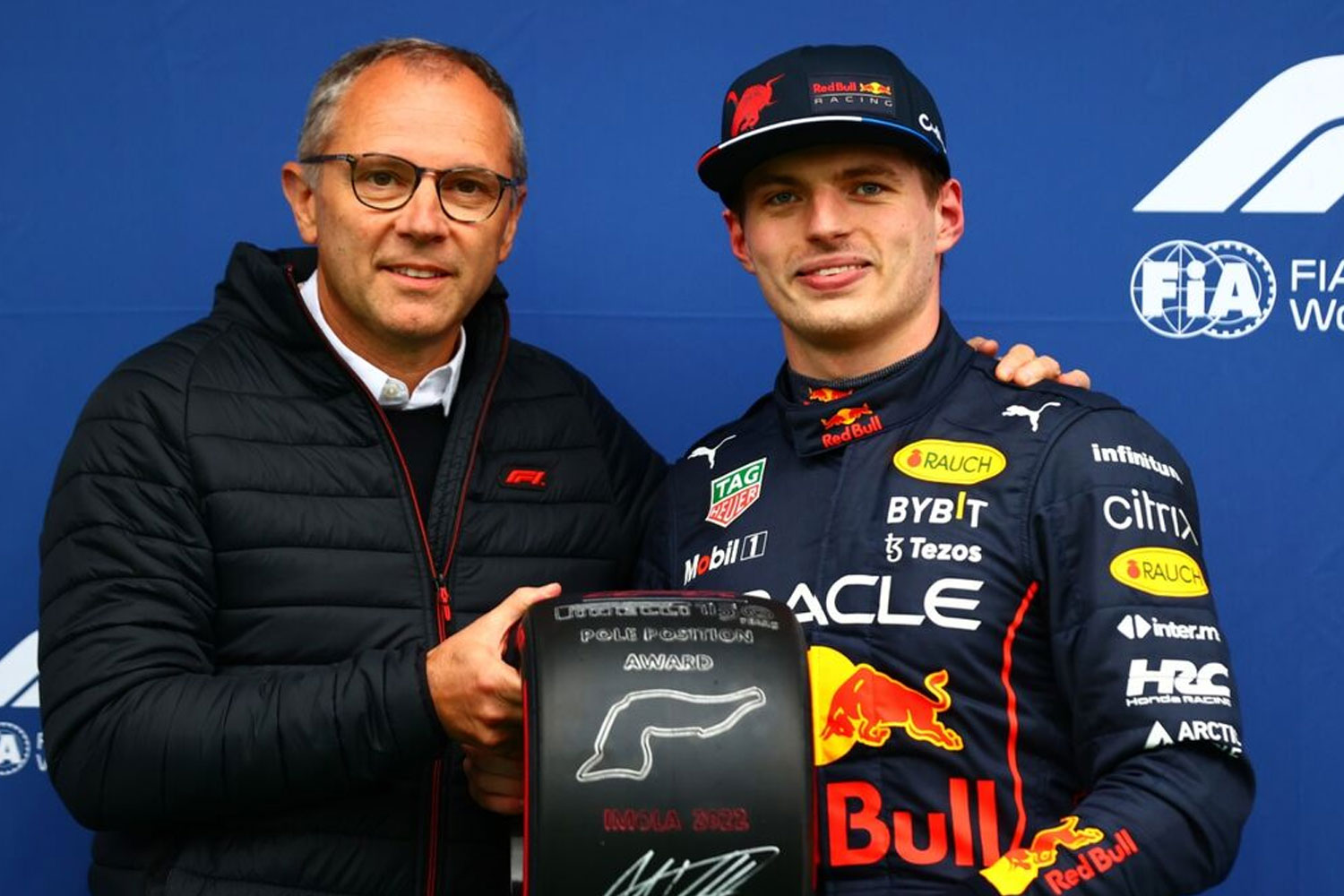
Stefano Domenicali pushes back on censorship claims, citing 60,000-fan data showing race ratings up to 66% in 2026. He wants constructive criticism - not silence.
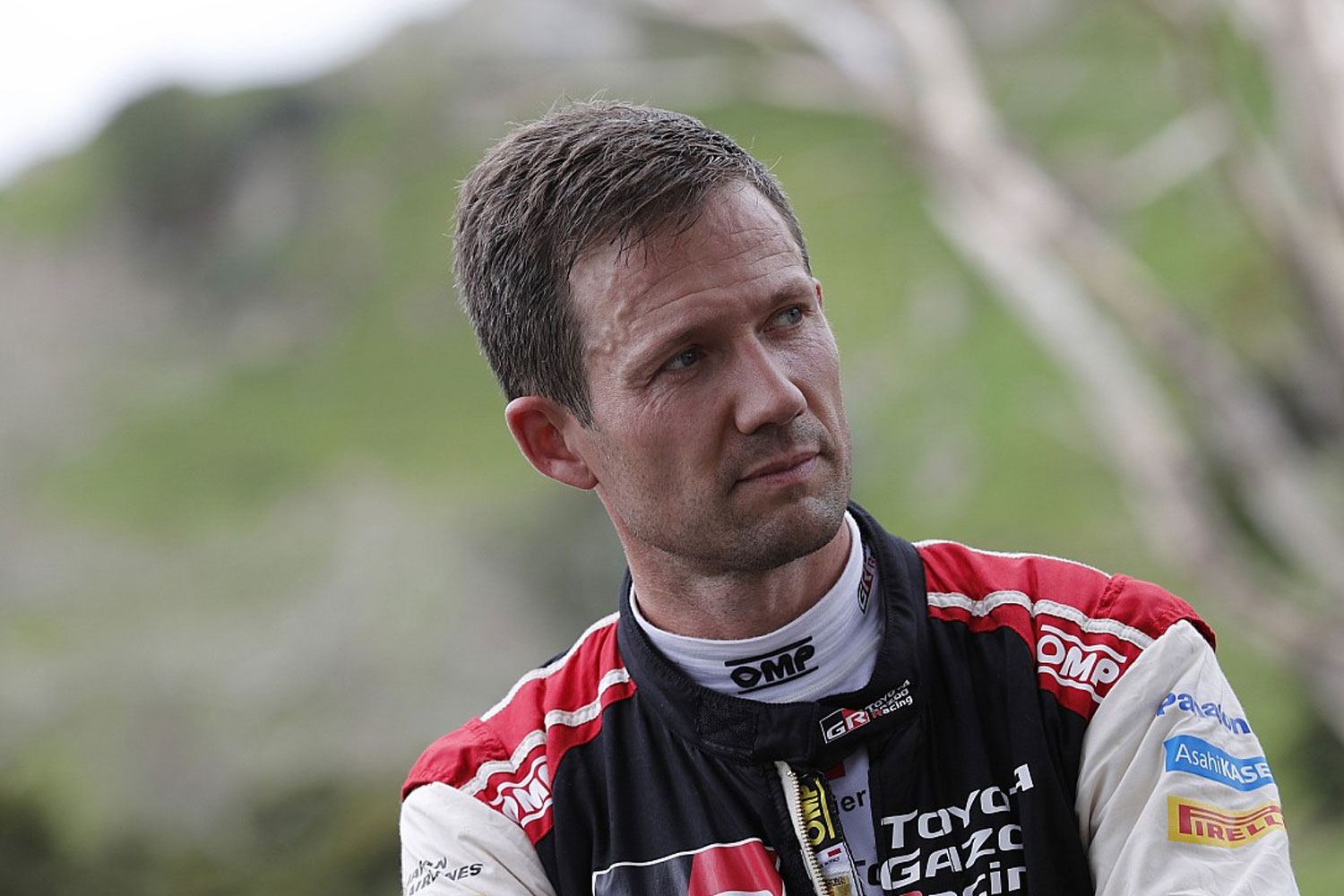
Juha Kankkunen says Sebastien Ogier's Saturday stage crash was surprising and hard to explain. The Yaris Rally1 chassis was undamaged, but Toyota is still investigating the cause.
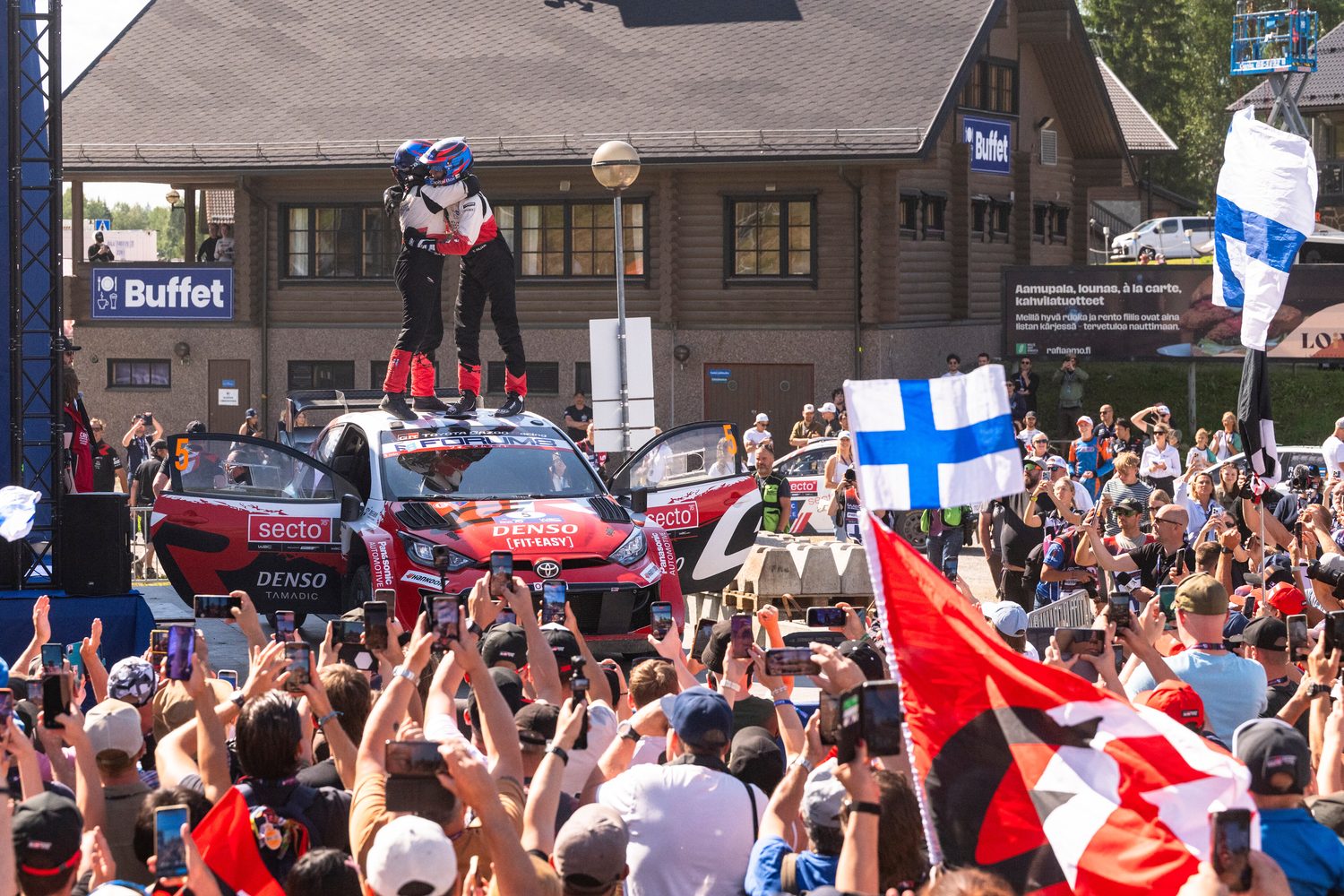
Kalle Rovanpera and Jonne Halttunen will run the Harju street stage at Rally Finland 2026 in a classic Toyota Corolla AE86 - one year after their first home WRC win.
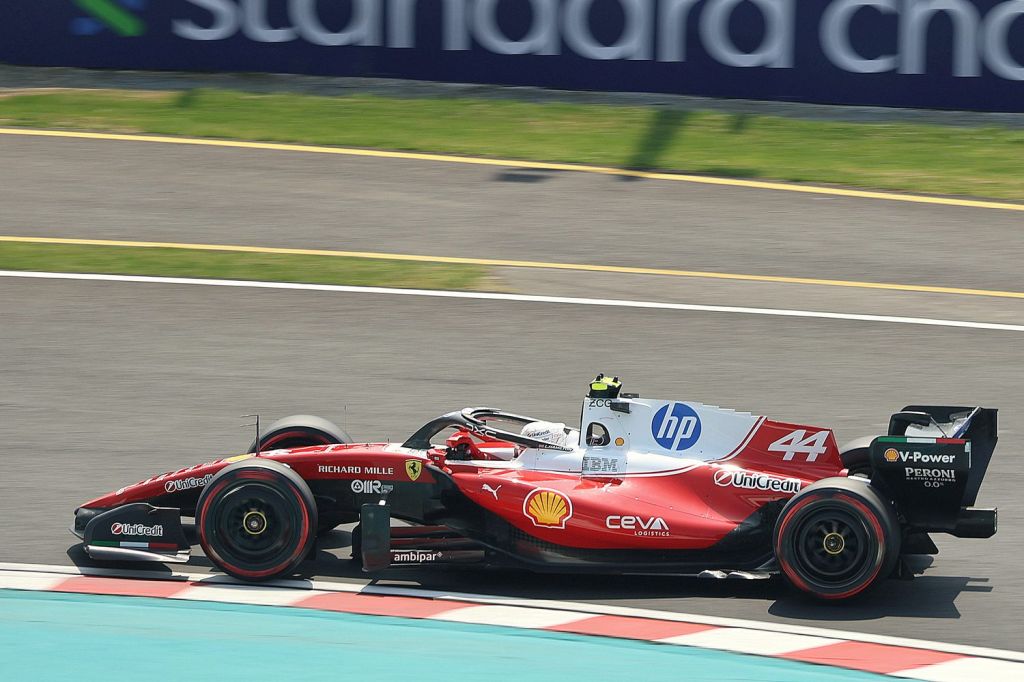
Ferrari finished fourth and fifth in Hungary despite topping both Friday practices. Vasseur admitted execution was poor, and a string of errors cost the team far more than the standings show.
The self-learning algorithms inside F1 2026 power units can behave unpredictably, surprising even world champions. Here's why Piastri says "the computers are doing stupid things."
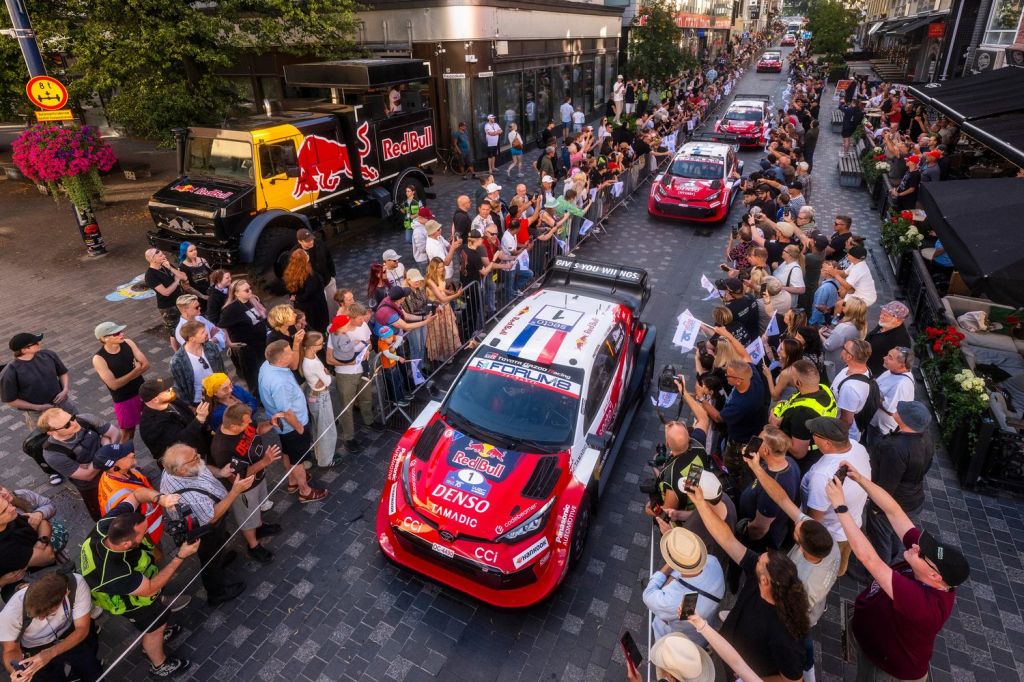
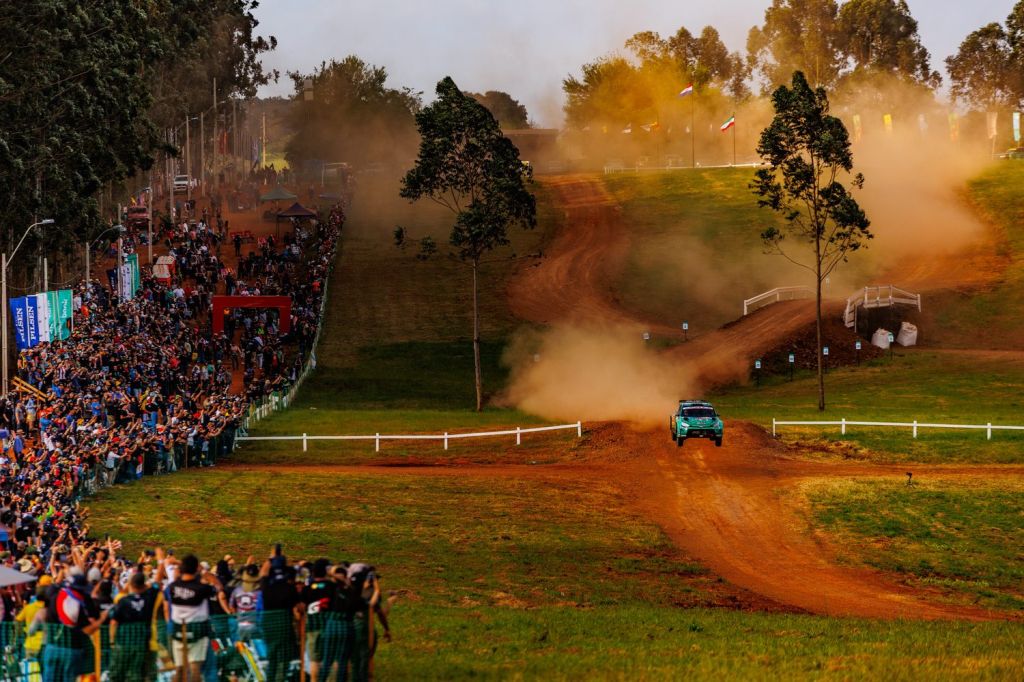
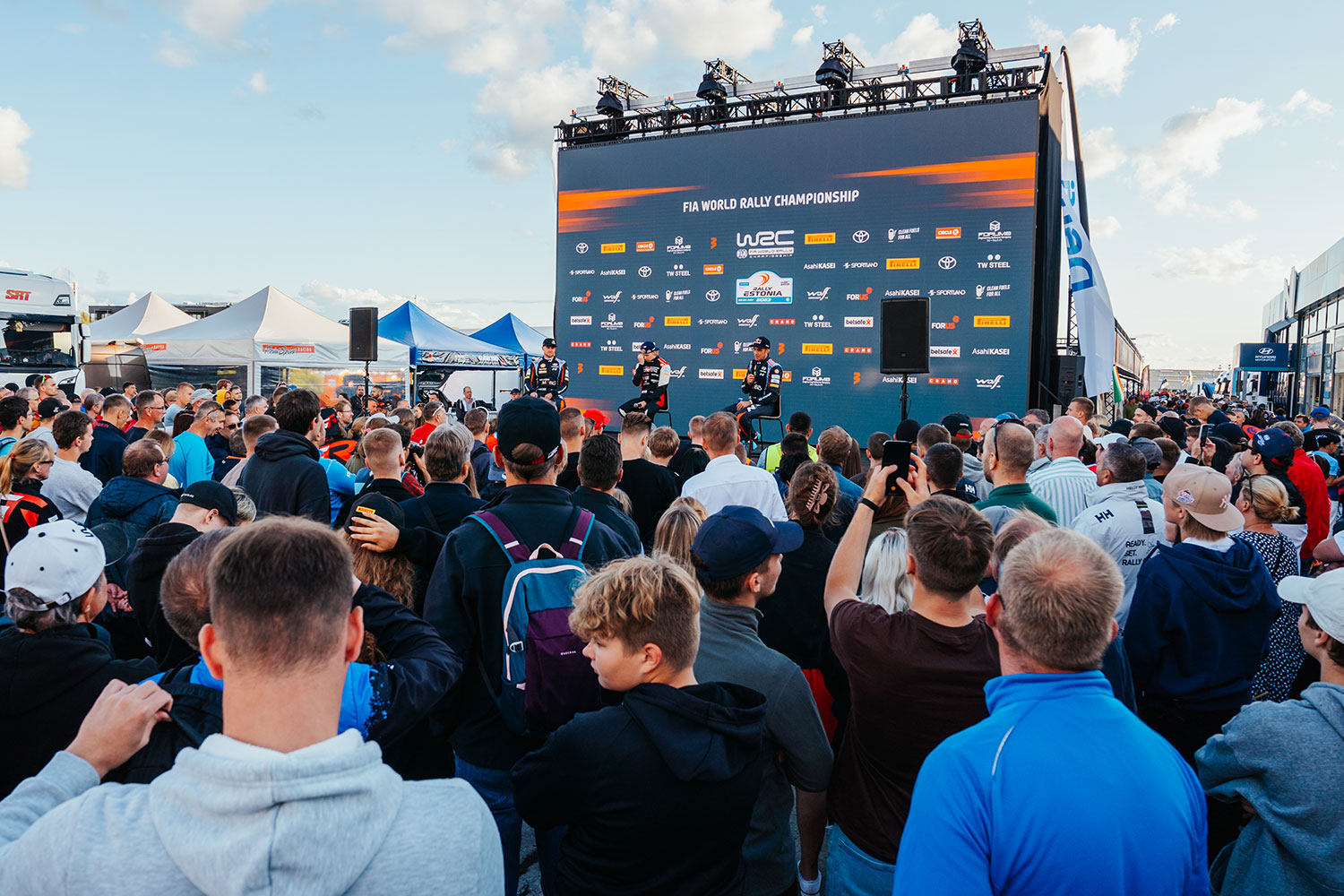
Sami Pajari led every kilometer of Delfi Rally Estonia 2026 to claim his first WRC win, becoming the 83rd different driver to win a world rally championship round in history.
Kimi Antonelli took his sixth win of 2026 at Spa-Francorchamps. Leclerc finished second, Verstappen third - Russell was eliminated in a lap-one clash with Hamilton.
Kimi Antonelli called Carlos Sainz an "idiot" over team radio during Belgian GP practice at Spa. Sainz says Antonelli "threw his car at him" - and told the championship leader to calm down.
Sami Pajari swept all seven Friday stages at Rally Estonia 2026 and leads by 14.7 seconds. Solberg is second, Fourmaux 1.8 back - Saturday's fight starts now.