
What Is F1?
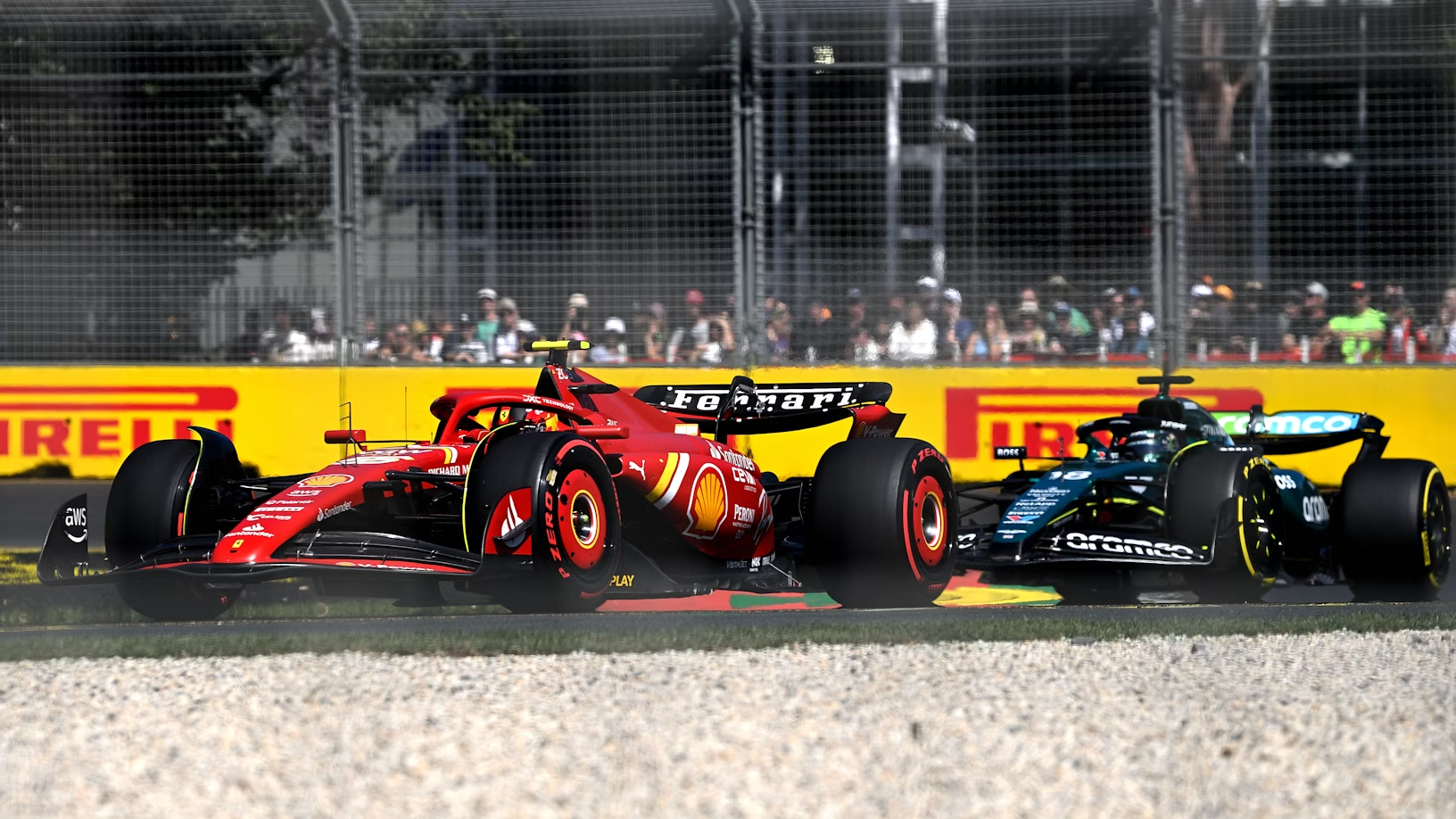
This is far from a normal Sunday drive. F1 uses open-wheel, single-seat cars approved by the Fédération Internationale de l'Automobile (FIA), built for extreme speed on dedicated race tracks and challenging city streets.
The "formula" is not a secret recipe, but a clear set of rules every car must follow. These rules keep racing fair and push teams to innovate within set limits, highlighting team creativity and driver skill.
Think of it as a fast, high-stakes chess game on tarmac, where every thousandth of a second and every call on strategy can decide the winner.
Is F1 a Sport or a Racing Series?
Yes-F1 is both a sport and a racing series, and a very respected one. It mixes the physical and mental demands of elite sport with the pressure of a worldwide championship.
Drivers don't just steer very fast cars; they are athletes in peak shape, handling huge G-forces and hot cockpits while staying focused for long periods. Their training matches that of other top athletes, making them some of the fittest people you'll find.
F1 is also a team effort played out across many races each year. Teams, called "constructors," spend millions on research, development, and careful preparation, so it's as much about engineering as it is about driving.
The season ends with two major titles: the Drivers' Championship for individual success and the Constructors' Championship for team victory.
What Do You Call an F1 Race?
An F1 race is called a Grand Prix, French for "Grand Prize." Each Grand Prix stands on its own but also adds to the season's title fights. Race weekends bring speed, strategy, and engineering on show in famous locations around the world.
The term "Grand Prix" dates back to 1906, first used for the French Grand Prix at Le Mans, long before today's F1 championship. It carries a strong sense of history and prestige.
When you hear "Grand Prix," you can expect a high-pressure fight featuring the best drivers and engineers chasing the top prize.
How Did F1 Begin?
Formula 1, as we see it today, has roots in early motorsport. The official championship began in the mid-1900s, but its story goes back to early European races and the constant push to build better cars.
When Did F1 Start?
The FIA Formula One World Championship began in 1950, opening a new chapter in international racing. The first World Championship race took place at the British Grand Prix at Silverstone on May 13, 1950. That day launched decades of speed, innovation, and sporting drama.
The set of rules-the "formula"-was agreed in 1946 and became official in 1947. Races using these rules ran even before the World Championship started, including the 1946 Turin Grand Prix. So while the title fight began in 1950, the ideas behind Formula One were already in motion.
F1 Origins and Early Years
F1 grew out of the European Grand Prix scene of the 1920s and 1930s. Those events featured open-cockpit cars, long distances, and endurance driving, laying the base for F1. Plans for a formal championship started in the late 1930s, but World War II paused them.
After the war, the FIA set common rules and formed a single global series. Early on, makers like Alfa Romeo, Ferrari, Maserati, and Mercedes-Benz led the way, building fierce rivalries.
In 1950, Alfa Romeo's Giuseppe Farina won the first Drivers' title, just ahead of teammate Juan Manuel Fangio, who later became a five-time champion and a legend of the sport's early era.
Key Milestones in F1 History
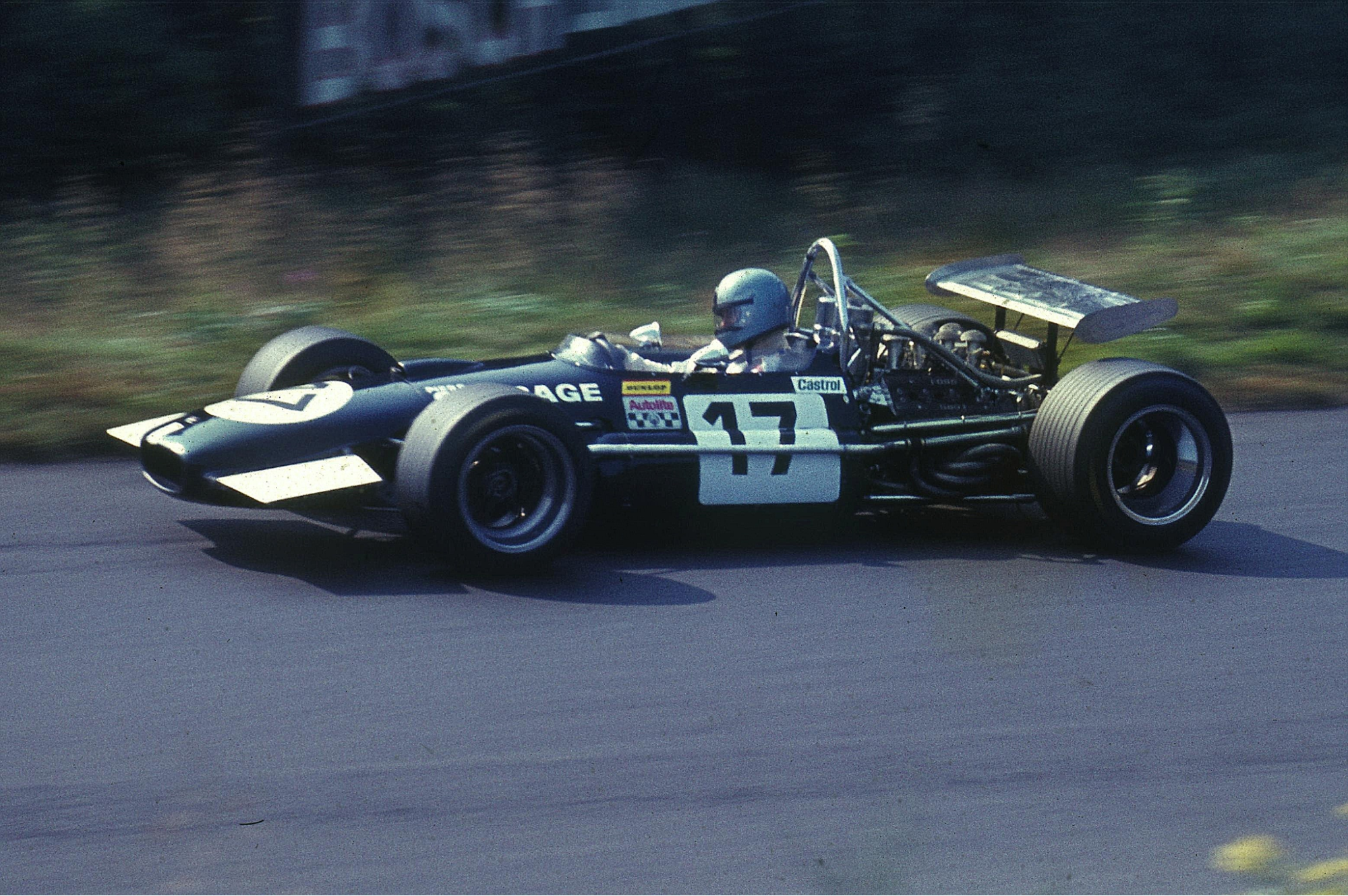
F1 history includes many key steps. In 1958, the Constructors' Championship began to honor the huge effort by teams. In the 1960s, teams moved to mid-engined cars, a shift pushed by innovators and proven by drivers like Jack Brabham; by 1961, everyone had switched, changing car design for good.
In 1968, team sponsorship arrived, starting with Team Gunston and then Lotus, bringing more funding and new liveries. The late 1970s brought an aero leap with ground effect, boosting corner speeds. The 1970s also saw Bernie Ecclestone reshape the business side, turning F1 into a multi-billion dollar series.
The 1981 Concorde Agreement was an important step toward stability, settling disputes and setting rules. More changes followed, like hybrid power units in 2014 and a budget cap in 2021, both aimed at closer racing and better sustainability, helping keep the sport exciting and relevant.
Who Are the F1 Drivers and Teams?
F1 depends on its drivers and its teams-called constructors-who work together to reach the top. This close partnership is the core of the sport, with each side needing the other to succeed.
How Many F1 Drivers Race Each Season?
A normal F1 season has 20 drivers. That's because there are 10 teams, and each runs two cars. These drivers are highly skilled and very fit, coping with extreme physical and mental demands across a race weekend.
While 20 drivers start each Grand Prix, teams can use up to four drivers in a season. Reserves can fill in when needed, and young drivers can run in practice. All race drivers need an FIA Super Licence, the top licence in racing, earned through strong results in junior series and enough time in F1 machinery.
Who Are the F1 Teams?
The 10 teams in F1 are leaders in racing engineering and strategy. Each outfit includes hundreds of engineers, mechanics, strategists, and support staff, all working together to build and race some of the fastest cars on Earth.
As of the 2025 season, the teams are:
- Mercedes-AMG PETRONAS Formula One Team
- Oracle Red Bull Racing
- Scuderia Ferrari HP
- BWT Alpine Formula One Team
- MoneyGram Haas F1 Team
- Visa Cash App Racing Bulls Formula One Team
- Aston Martin Aramco Formula One Team
- Stake F1 Team Kick Sauber
- McLaren Formula 1 Team
- Atlassian Williams Racing
Team names and ownership can change. In early 2024, Sauber rebranded as Stake F1 Team Kick Sauber and is set to become the Audi works team in 2026. Also, Scuderia AlphaTauri was renamed Visa Cash App RB (VCARB) for 2024. Looking to 2026, Cadillac has final approval to join as an 11th team, adding more depth to the grid.
Most teams are based in "Motorsport Valley" around Oxfordshire, England, a hub for high-performance engineering. Ferrari is a major exception, building both chassis and engines in Maranello, Italy. With factories spread across countries and the competition so tight, the Constructors' title can be as gripping as the Drivers' crown.
What Types of F1 Cars and Technology Are Used?
F1 cars are engineering showcases built for one job: speed. They are custom-built, open-wheel, single-seat racers that change with the rules and learning from season to season.
F1 Car Design and Engineering
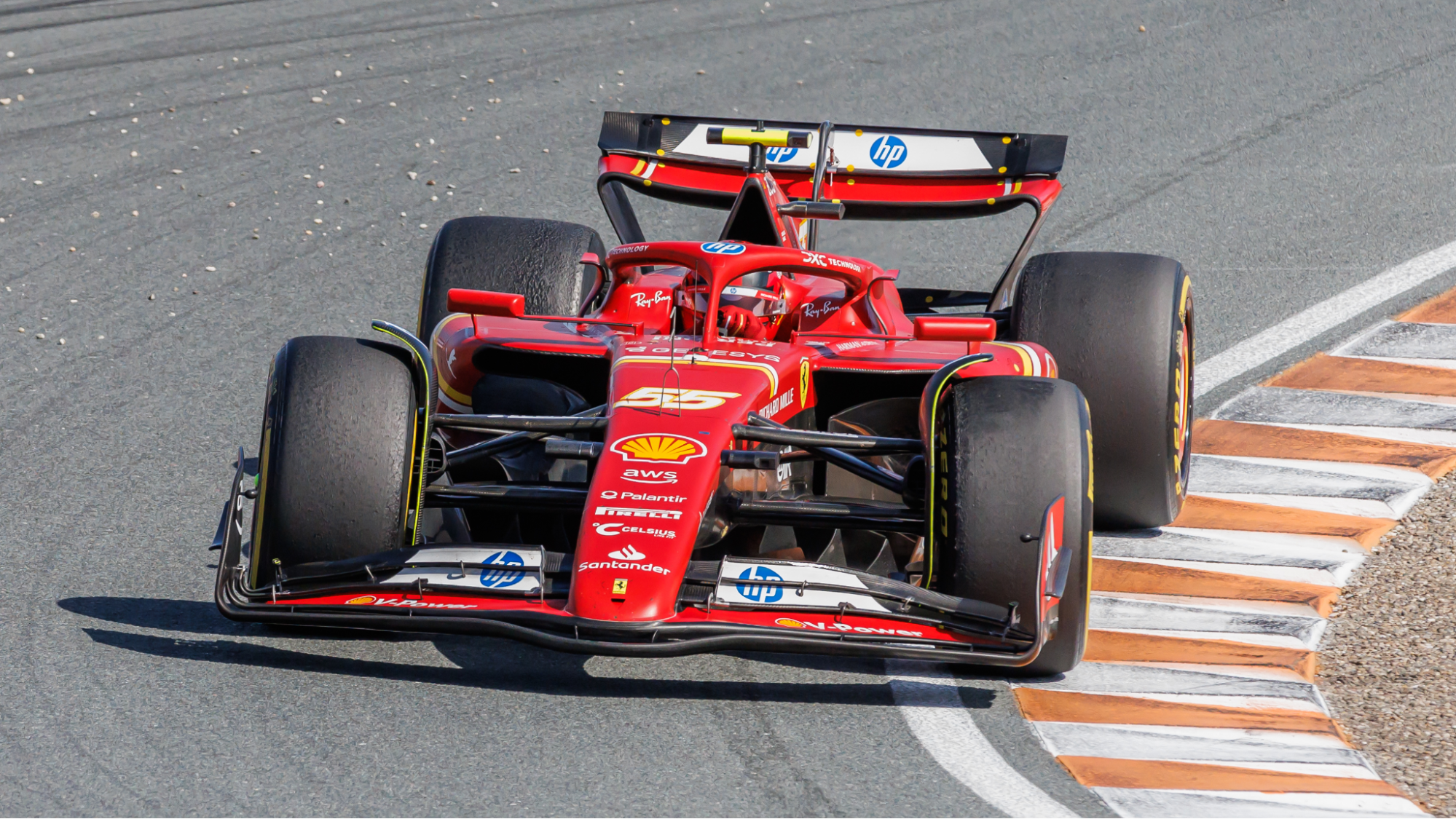
Modern F1 cars use advanced materials and smart design. The main structure, called the chassis, is mostly made from carbon-fibre composites. This keeps the car light but very stiff and strong, which is important for performance and safety.
The car, including the driver but without fuel, must weigh at least 800 kg. Teams add ballast and place it low to get a better center of gravity and better handling.
Aerodynamics are a huge part of speed and cornering. Big front and rear wings, plus ground effect from shaped floor tunnels, create strong downforce. At full speed, downforce can reach about 2.5 times the car's weight, pressing the car into the track and allowing very high corner speeds, with lateral forces up to roughly 3.5g.
Tyres are also key: slick tyres (brought back in 2009 and supplied only by Pirelli) help with grip. Since 2022, wheels have covers, rims grew from 13 to 18 inches, and small winglets over the front tyres help clean up airflow.
Suspension is usually double wishbone or multilink with pushrod-operated springs and dampers, though some teams use pullrods for certain gains. Carbon disc brakes are standard for their light weight and strong stopping power, even under extreme heat. They have thousands of tiny cooling holes to keep temperatures under control and performance high.
Big rule changes in 2022 reshaped wings, increased wheel size, and brought back ground-effect downforce to reduce turbulent air and help cars follow more closely without losing as much pace from "dirty air."
The core of today's F1 car is a turbocharged 1.6-litre V6 hybrid power unit, replacing the old naturally aspirated V8s in 2014. These units run on special unleaded fuel similar to pump petrol and get a lot of power from electric motors using energy recovery.
Many driver aids like traction control and active suspension are banned to highlight driver skill, but the cars still use advanced electronics. Each driver has a limited number of power units and gearboxes for the season; going over the limit brings penalties, adding another layer of planning for teams.
How Fast Are F1 Cars?
F1 speed is famous, showing how far engineering and aerodynamics have come. These cars are built to be the fastest regulated road-course race cars in the world, and they deliver very high performance.
What Is the Top Speed?
On some tracks with long straights, F1 cars can pass 350 km/h (220 mph). The highest Grand Prix straight-line speed was 372.6 km/h (231.5 mph) by Juan Pablo Montoya in 2005. In qualifying for the 2016 European Grand Prix, Valtteri Bottas reached 378 km/h (234.9 mph).
Top speed is only part of the story. The big strength of an F1 car is the ability to carry huge speed through corners thanks to downforce. Because of that, F1 cars can lap faster than some machines with higher top speeds.
F1 Car Acceleration and Lap Times
Acceleration is also extremely quick. An F1 car can go from 0 to 100 km/h (0-60 mph) in about 2.6 seconds, and 0 to 200 km/h (0-124 mph) in around 5.2 seconds. Add strong braking and high corner speeds, and lap times drop fast.
Lap time comes from engine power, aero efficiency, tyre grip, and the driver's skill. Engineers keep working to improve every part of the car to find tiny gains.
Ongoing hybrid development-mixing the engine with powerful electric motors-has raised acceleration and overall pace, making today's F1 cars faster and more efficient than before. They show how to carry speed from the start, through fast bends, and into heavy braking zones.
How Does F1 Racing Work?
An F1 Grand Prix weekend is a carefully planned show that runs over several days, mixing precision, tactics, and raw speed. It's more than the Sunday race; practice, qualifying, and sometimes a sprint also play big roles.
What Are F1 Race Weekends Like?
A Grand Prix weekend usually starts on Friday with two free practice sessions. These sessions are key for teams and drivers to adjust setups, try aero parts, and learn the track. A third practice runs on Saturday morning as a final chance to tweak the car. On Fridays, some teams also run reserve or young drivers to gain experience or test parts.
The energy builds across the weekend as fans arrive. In the paddock, mechanics work long hours, strategists study data, and drivers prepare themselves for the challenge. Every detail, from tyre wear to fuel use, matters when aiming for the best pace.

Qualifying and Sprints
Saturday afternoon brings qualifying, a tense three-part "knockout" session that sets the grid for Sunday. Since 2006, the slowest drivers are dropped at the end of Q1 and Q2, leaving the quickest 10 to fight for pole in Q3. Drivers can run as many laps as time allows in each phase to set their best time.
Since 2021, some weekends also include sprint races. At first, the sprint set the main race grid, but from 2023 the sprint has its own qualifying called the "sprint shootout," and it no longer sets Sunday's order. This adds more chances to score points and gives fans more racing action.
Race Structure and Laps
The Grand Prix race is usually on Sunday. It starts with a formation lap for system checks, tyre warming, and grid order. When all cars are ready, five red lights come on, then go out together to start the race-cue a burst of speed and position fights into turn one.
The race runs for a set number of laps, targeting about 305 km (190 miles), with Monaco the lone exception at roughly 260 km (160 miles).
During the race, drivers have to make at least one pit stop for tyres, often switching between soft, medium, and hard compounds based on strategy and track grip. Top teams can change all four tyres in under two seconds.
The race ends when the leader finishes the last lap and the checkered flag waves. If incidents happen, the Safety Car or Virtual Safety Car may slow the field to keep drivers and marshals safe while keeping the race fair.
How Do F1 Points and Championships Work?
F1 is a season-long fight for two titles. A points system rewards steady results and strong finishes, making every Grand Prix important.
How Do Points Work in F1?
Since 2010, the top ten finishers in each Grand Prix score points. The winner gets 25, then 18 for second, 15 for third, 12 for fourth, 10 for fifth, 8 for sixth, 6 for seventh, 4 for eighth, 2 for ninth, and 1 for tenth. To score, a driver must be classified, which means completing at least 90% of the race distance even if they retire near the end.
In sprint races, only the top eight score: 8 for first, then 7, 6, 5, 4, 3, 2, and 1 for eighth. From 2019 to 2024, one extra point went to the fastest lap in a Grand Prix if the driver finished in the top 10. Points add up through the year to decide both championships.
Constructors' and Drivers' Championships
At season's end, two World Championships are awarded: the Drivers' title and the Constructors' title. The Drivers' Championship goes to the driver with the most points, marking the biggest personal award in F1.
The Constructors' Championship goes to the team with the most combined points from both drivers. This shows a team's engineering strength and race strategy across the year.
Teams chase both their drivers' success and the status and prize money of finishing as the top constructor, which keeps development and competition intense.
What Circuits Host F1 Races?
F1 runs across many countries on a wide mix of tracks. From historic purpose-built circuits to famous street layouts, each venue brings its own challenge and feel to the season.
F1 Grands Prix Around the World
The calendar covers many regions. In 2025, for example, there are 24 races planned, showing the sport's wide reach. The number of races changes over time; the first season in 1950 had just seven, mostly in Europe.
Classic European tracks like Silverstone (British Grand Prix) and Monza (Italian Grand Prix) are special, as they have appeared every season. The Monaco Grand Prix, on tight city streets since 1929, is often seen as one of the most prestigious races.
Beyond Europe, F1 grew into South America (Argentina in 1953), Africa (Morocco in 1958), Asia (Japan in 1976), Oceania (Australia in 1985), and the Middle East (first race in 2004).
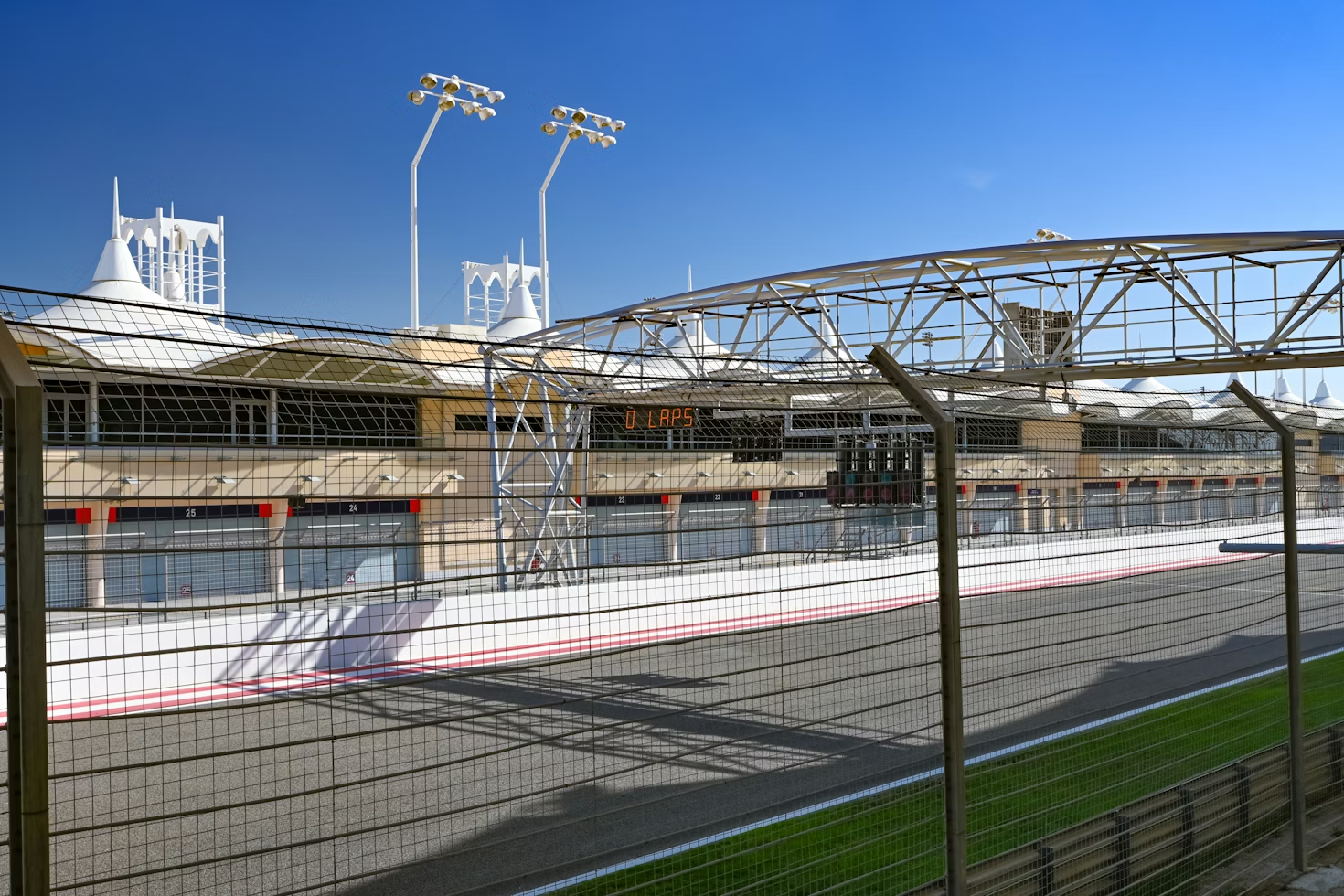
Many venues are modern, purpose-built circuits like Circuit of the Americas in Austin or the Red Bull Ring in Austria. Street tracks are also a big draw, turning public roads into race courses. Examples include Singapore's Marina Bay Street Circuit, the tough Baku City Circuit in Azerbaijan, and the Las Vegas Strip Circuit, which joined in 2023.
Most tracks run clockwise, but some, like Marina Bay, run anti-clockwise, adding a twist for drivers. All F1 events take place on Grade A tracks, the highest FIA rating, which meet strict standards for safety and facilities.
The calendar keeps changing, with long contracts at many venues. For example, the Australian Grand Prix at Albert Park is signed through 2037, and the Miami Grand Prix through 2041. The Saudi Arabian Grand Prix is set to move from Jeddah Corniche Circuit to a new track in Qiddiya in 2028. These changes help keep F1 fresh and global.
How Is F1 Different from Other Motorsports?
Many racing series are exciting, but F1 stands out for its technology, global footprint, and the tough demands on both cars and drivers. Many call it the top level of racing.
Formula 1 vs. NASCAR
F1 and NASCAR sit in very different parts of motor racing. F1 cars are open-wheel, single-seat, custom-built machines that rely on advanced aerodynamics, hybrid power units, and advanced electronics. They race mainly on road and street circuits with many types of corners and elevation changes, so speeds vary a lot during a lap.
NASCAR uses "stock" cars (heavily modified) with closed wheels and full bodywork. They run combustion engines only and use fewer electronic systems. NASCAR races are usually on ovals, where cars spend long stretches at high speed and drafting is key.
The skills and car setups for each series are very different: F1 focuses on precision and aero grip, while NASCAR leans on pack racing and big power on banked ovals.
Comparisons With IndyCar and Formula E
IndyCar is another top open-wheel series based mostly in North America. While IndyCar cars are also open-wheel, the rules differ. Teams buy chassis from a small set of makers, so it's less of a building race than F1, where teams have designed and built their own chassis since 1981.
IndyCar runs on a mix of ovals, road courses, and street circuits, with speeds over 230 mph on ovals and strong turbocharged engines. Its biggest event is the Indianapolis 500.
Formula E (FE) is an all-electric series that shows where electric racing is heading. FE cars run on batteries and electric motors, using regenerative braking to recover energy. F1 focuses on internal combustion plus hybrid systems, but FE focuses fully on electric tech. FE races take place on temporary street circuits in major cities, taking racing to urban areas. Both are open-wheel series, but F1 leads traditional and hybrid racing, while FE pushes electric tech forward.