
What Is F1 Sprint?
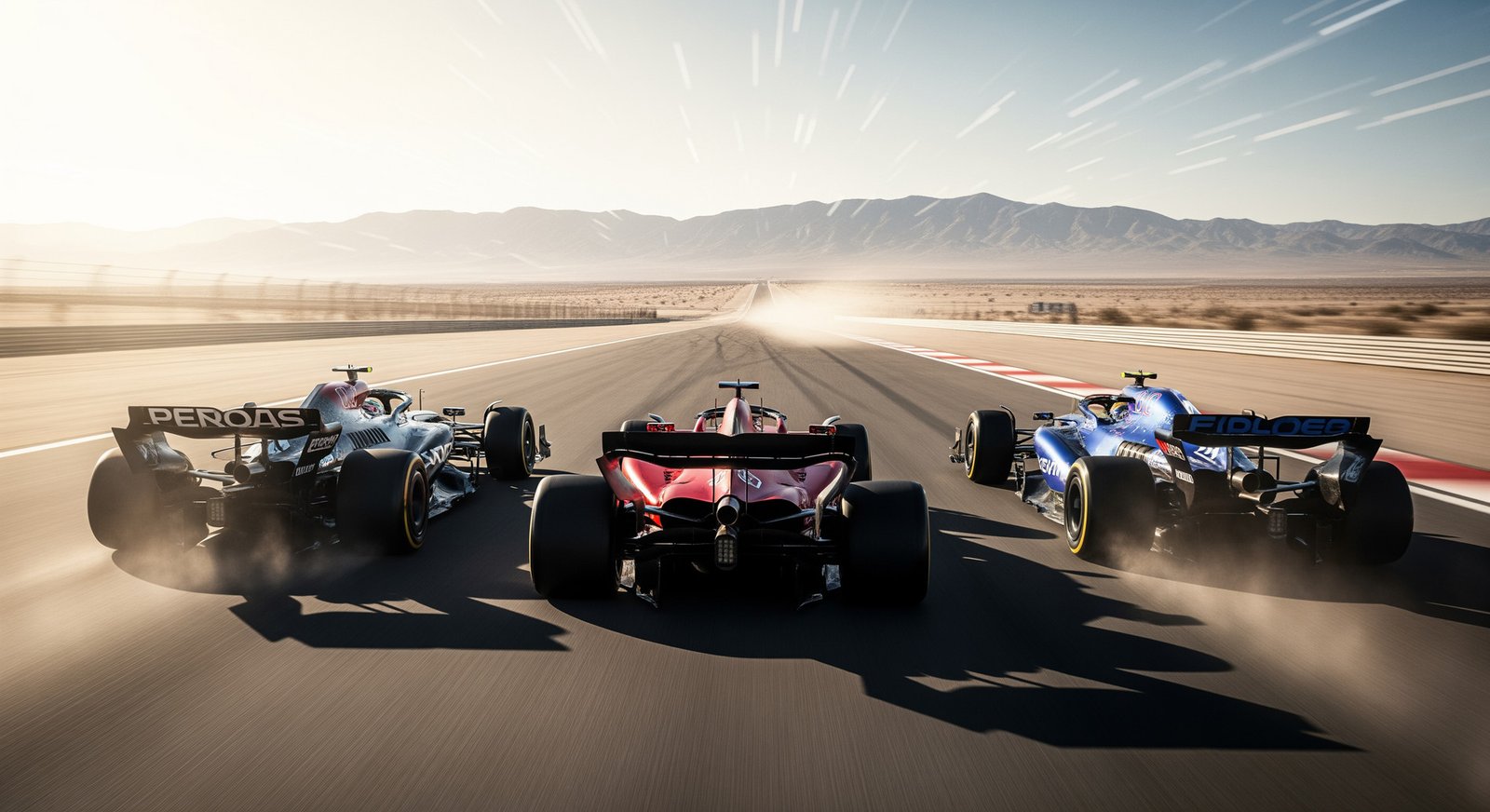
The F1 Sprint is a shorter, high-speed version of a Formula 1 race. It is a 100-kilometer run, about 30 minutes long, where drivers push hard from start to finish. There are no mandatory pit stops like in the main Grand Prix. This format adds more meaningful racing to the weekend and gives extra points to drivers and teams.
Unlike the full Grand Prix, which often involves tire and fuel strategy, the Sprint is flat-out racing. It encourages bold moves and overtaking, making it exciting to watch. It no longer sets the grid for the main race, so both events stand on their own. Even so, Sprint results still give championship points, which increases competition.
When Was F1 Sprint First Introduced?
The F1 Sprint began in 2021 and changed how a race weekend is structured. The first Sprint took place at the British Grand Prix at Silverstone. It drew a lot of attention and paved the way for more Sprint events.
After Silverstone, there were two more Sprints in 2021 at Monza (Italy) and Interlagos (Sao Paulo). The early success showed that the Sprint could improve the weekend format, so it continued and was adjusted in later seasons. It is a fairly new feature that shows Formula 1's push to keep the sport fresh and engaging.
Why Was the F1 Sprint Introduced?
The main goal was to add more action to race weekends. While practice is important for teams, many fans want racing that has something at stake. The Sprint gives meaningful track time every day on a Sprint weekend, with points or grid spots on the line.
The format aims for more "flat-out" racing by reducing elements like tire saving and pit-stop strategy that are common in the Grand Prix. With a short, intense race, Formula 1 wanted to offer more entertainment at the track and on TV, and test new ways to shape the weekend for a wider audience.
How Does the F1 Sprint Work?
The Sprint runs on a weekend schedule that differs from a normal Grand Prix. The idea is to pack more competition into fewer sessions. The Sprint awards championship points, but it no longer sets the grid for Sunday's race. This change lets both the Sprint and the Grand Prix stand on their own while still linking them through the overall weekend flow.
The Sprint covers roughly 100 km and lasts about 30 minutes. There are no mandatory pit stops, so drivers can push from start to finish. With less practice time overall, teams have fewer chances to fine-tune their cars, which adds some unpredictability.
What Is the Format of an F1 Sprint Weekend?
A Sprint weekend still runs Friday to Sunday, but the order is different. On Friday, there is one 60-minute Free Practice session (FP1). Later on Friday, Sprint Qualifying sets the grid for Saturday's Sprint. With only one practice, teams must get their car setup right very quickly.
Saturday has two headline sessions. It starts with the Sprint race, which awards championship points. Later on Saturday comes Grand Prix Qualifying, which uses the usual three-part format to set the grid for Sunday. Sunday is the full-length Grand Prix, still the main race of the weekend.
How Is Sprint Qualifying Structured?
Sprint Qualifying (previously called the "Sprint Shootout") is a shorter version of normal qualifying that sets the grid for Saturday's Sprint. It takes place on Friday afternoon, replacing what would have been the second practice session.
The session has three short segments: SQ1 (12 minutes) with all 20 drivers, where the five slowest are out; SQ2 (10 minutes), where five more are out; and SQ3 (8 minutes) for the top 10 grid spots. Tire rules are fixed: Mediums in SQ1 and SQ2, and Softs in SQ3. With little practice, teams and drivers must deliver right away.
How Does the F1 Sprint Affect the Grand Prix?
Today, the Sprint stands mostly on its own, and its result does not set the Sunday grid. Grand Prix Qualifying on Saturday decides the start order for the race. This change lets both sessions tell their own story.
Even so, the weekend format still affects Sunday because there is much less practice time. With only one practice on Friday, teams must lock in a strong setup fast. Any penalties or heavy damage from the Sprint that cannot be handled right away can carry into Sunday, which adds risk to the Sprint.
How Are Championship Points Awarded in F1 Sprint Races?
Points in the Sprint give drivers and teams another chance to boost their totals. The top eight finishers score points that count toward both championships. Even though the Sprint no longer sets the Sunday grid, strong results still matter a lot.
Here is the Sprint points payout:
| Position | Points |
| 1st | 8 |
| 2nd | 7 |
| 3rd | 6 |
| 4th | 5 |
| 5th | 4 |
| 6th | 3 |
| 7th | 2 |
| 8th | 1 |
How Does the Sprint Points System Compare to the Grand Prix?
The Sprint pays fewer points than the Grand Prix to match its shorter distance. A Grand Prix awards points down to tenth place, with 25 points for the winner. The Sprint gives a maximum of 8 points for the winner and pays only to eighth place.
| Position | Grand Prix Points | Sprint Points |
| 1st | 25 | 8 |
| 2nd | 18 | 7 |
| 3rd | 15 | 6 |
| 4th | 12 | 5 |
| 5th | 10 | 4 |
| 6th | 8 | 3 |
| 7th | 6 | 2 |
| 8th | 4 | 1 |
| 9th | 2 | - |
| 10th | 1 | - |
Even with fewer points, Sprints can still swing title fights, especially over six Sprint weekends in a season. The extra points can shift momentum without taking away from the main weight of the Grand Prix.
How Many F1 Sprint Events Are There Each Season?
The number of Sprints grew and then settled at a steady count. For 2025, and again in 2026, there are six Sprint weekends. That is a quarter of a 24-race season.
Six Sprints add more action without overloading the calendar. It also lets Formula 1 pick tracks that suit the format well, giving fans regular short races with close fights.
What Is the F1 Sprint Calendar for 2025?
The 2025 Sprint calendar features six events at well-known tracks and marks the fifth year of the format, alongside the 75th year of the World Championship:
China (Shanghai) and Miami hold Sprints for a second straight year. Austin and Qatar host their third Sprints. Belgium returns after last appearing in 2023. Brazil keeps its run going, having hosted a Sprint every year since 2021. The dates are:
- March 21-23: China (Shanghai)
- May 2-4: USA (Miami)
- July 25-27: Belgium (Spa-Francorchamps)
- October 17-19: USA (Austin)
- November 7-9: Brazil (Sao Paulo)
- November 28-30: Qatar (Lusail)
What About F1 Sprint in 2026?
In 2026, there will again be six Sprints, mixing familiar venues with new hosts. This keeps variety while keeping the format stable.
Shanghai and Miami return for a third year in a row. Silverstone comes back as a Sprint host for the first time since the first Sprint in 2021. Three tracks host their first Sprints: Montreal (Canada), Zandvoort (Netherlands), and Singapore. The 2026 Sprint calendar is:
- March 13-15: China (Shanghai)
- May 1-3: USA (Miami)
- May 22-24: Canada (Montreal)
- July 3-5: Great Britain (Silverstone)
- August 21-23: Netherlands (Zandvoort)
- October 9-11: Singapore (Marina Bay)
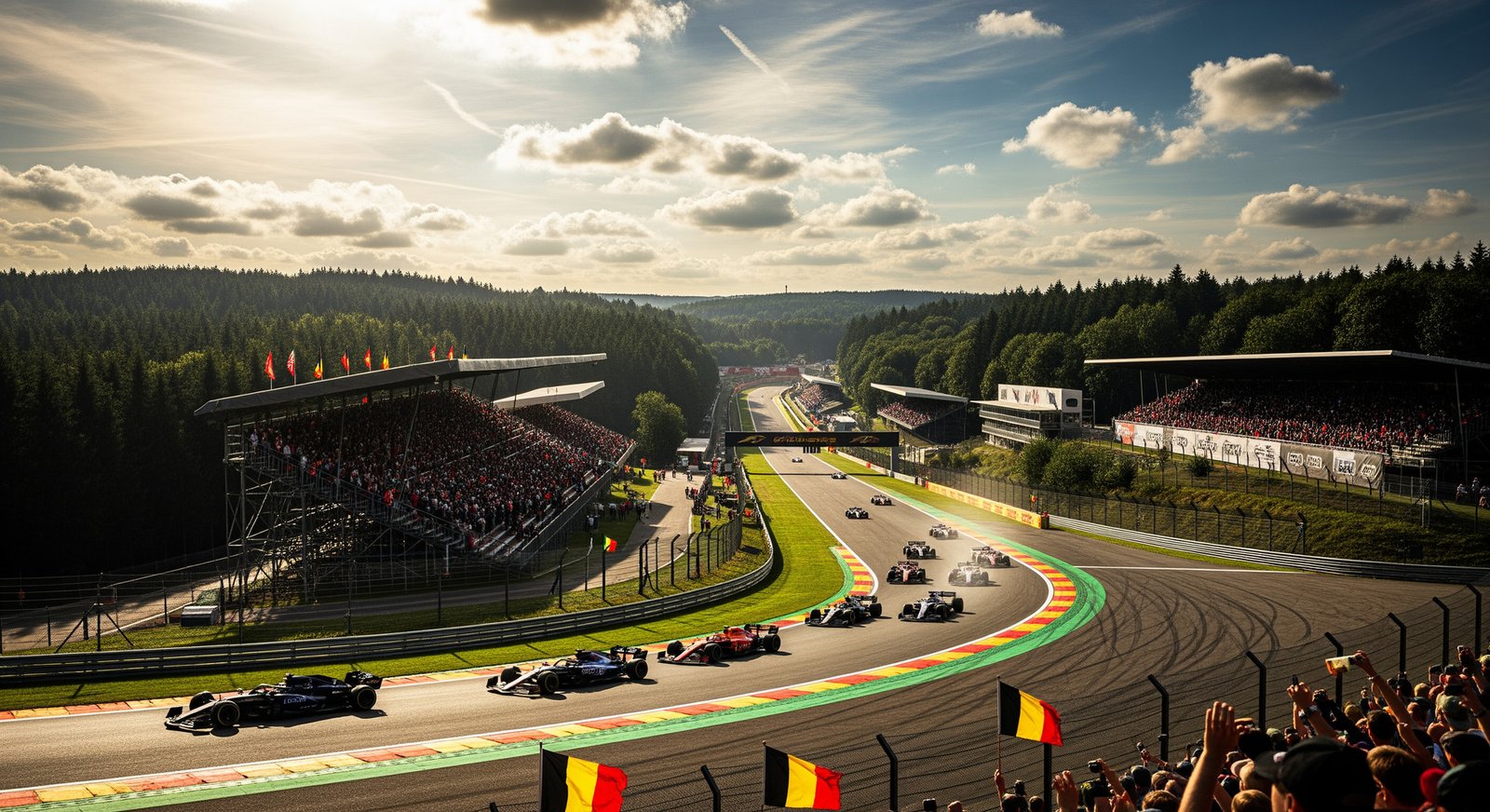
Where Are F1 Sprint Races Held?
Sprints take place at selected tracks around the world. These venues are chosen to give the best chance of close racing, with layouts that help overtaking and flat-out pace.
The calendar also spreads Sprint events across regions so more fans can watch this shorter format live. From classic European circuits to newer or street tracks, the goal is to show Formula 1 at speed in a compact package.
How Are Sprint Venues Chosen?
Tracks are picked based on the chance of good racing. Circuits with strong overtaking zones and spots for side-by-side action are favored. The aim is to have a fast fight from start to finish, not a processional run.
Risk of car damage is also part of the decision. Some tracks are harsher on cars and walls are closer, which can lead to more incidents. These tracks are not ruled out, but they may be chosen with care so teams are not too cautious before Sunday. Fit with the weekend plan and local promoter support also matter.
Why Not Have an F1 Sprint at Every Venue?
The Sprint is not at every race because some tracks do not suit the format. Certain layouts do not produce the kind of short, overtaking-friendly racing that Sprints aim to deliver. Forcing it everywhere could make the product weaker.
There is also the risk of car damage with less practice time and hard racing. On tracks where damage is more likely, teams might hold back to protect the Sunday race. Heavy damage on Saturday can hurt a team's Grand Prix. Some venues also prefer to keep the classic weekend schedule they know well.
How Has the F1 Sprint Format Evolved?
The Sprint has gone through steady tweaks since 2021. Feedback from teams, drivers, and fans led to changes that improved how it fits into the weekend and how it rewards performance. The goal has been to keep it exciting while respecting the core of the sport.
Each year brought adjustments, showing that the format is still developing. The rule-makers responded to how teams approached the Sprint and made changes to improve both the racing and the viewing experience.
What Were the Key Changes Since Introduction?
At first, the Sprint result set the starting grid for Sunday, and only the top three in the Sprint scored a small number of points. This made some drivers play it safe to protect their Sunday starting spot.
From 2023, and refined again for 2024 and 2025, the Sprint was split from the Grand Prix grid. Sprint Qualifying on Friday now sets the Sprint grid, and normal Qualifying on Saturday sets the Sunday grid. Points were also expanded to the top eight finishers (8-1).
The term "Sprint Shootout" was dropped in favor of "Sprint Qualifying." The updated schedule places Sprint Qualifying on Friday, the Sprint on Saturday morning or midday, and Grand Prix Qualifying later on Saturday, which makes the weekend flow more clearly.

How Do Sprint Races Impact Grand Prix Strategy and Fan Experience?
Sprint weekends change how teams plan and how fans watch. With less practice and an extra competitive session, the pressure rises across all three days. Teams must adjust how they prepare, and fans get more high-stakes running.
The effects reach car setup choices, driver prep, and even event planning. Teams must balance the needs of a short, flat-out Sprint with the longer Grand Prix that pays more points.
What Impact Does the F1 Sprint Have on Sunday's Race?
Even though the Sprint no longer sets the Sunday grid, it still matters. With only one 60-minute practice before parc fermé, teams have very little time to test parts and settings for both the Sprint and the Grand Prix.
This often leads to more mixed results on Sunday. Teams that get the setup right early gain an edge, while others may struggle to catch up. Any penalties or heavy damage from the Sprint can also affect Sunday, so the Sprint can shape the rest of the weekend.
How Does a Sprint Weekend Influence Car Setup and Tactics?
On a normal weekend, teams have three practice sessions to try different aerodynamic settings, suspension changes, and tire plans. They can run both race and qualifying simulations and gather lots of data.
On a Sprint weekend, all of that is squeezed into one hour of practice. Teams must pick a race-ready setup almost right away, knowing parc fermé rules will lock most settings after FP1. While some changes are allowed later, the main window is small. This favors sharp trackside calls and clean execution.
Wrong early choices are costly. Drivers also push harder in the Sprint, with no mandatory pit stops to play for strategy, and any mistake can hurt both Saturday and Sunday.
Who Has Won the Most F1 Sprint Races?
Max Verstappen leads the all-time Sprint win list. His pace, combined with a strong Red Bull car, has made him very effective in these short runs.
He is quick to extract speed over a small number of laps and often starts near the front after Sprint Qualifying. Those wins add useful points that support his title bids.
Who Won the Most Recent F1 Sprint?
As of the 2025 season, the most recent Sprint was at Spa-Francorchamps. Max Verstappen won, extending his record for Sprint victories.
His win at Spa showed his ongoing strength in short races. While Lando Norris, Oscar Piastri, and Valtteri Bottas each have two Sprint wins, Verstappen's total stands clear of the field.