
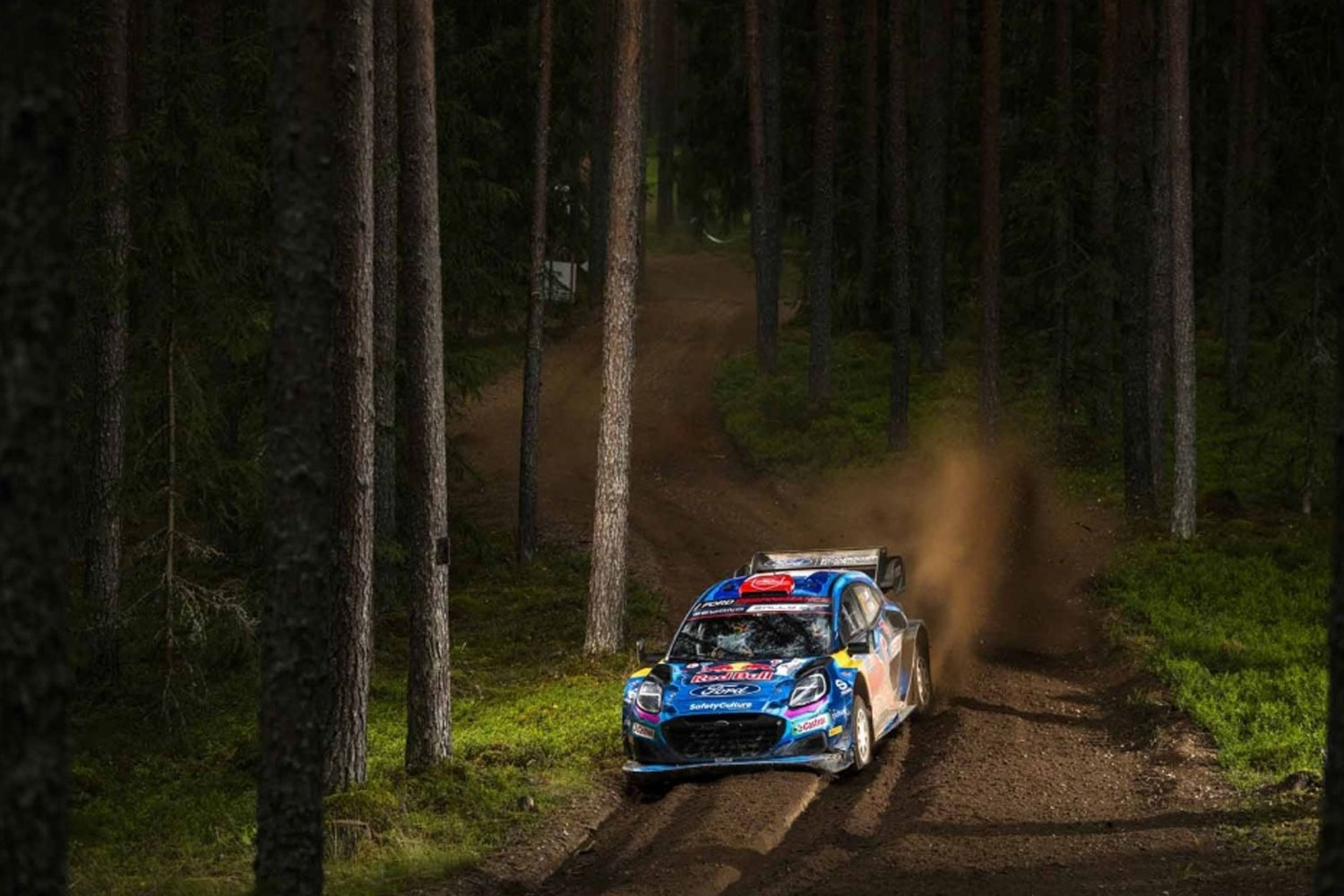
Rally's top tier is about to go through its biggest structural overhaul in years. Starting in 2027, the new WRC27 class replaces current Rally1 machinery as the premier category of the World Rally Championship - and the FIA just added a piece that could determine how many manufacturers actually show up. That piece is the Rally2 WRC Kit: a homologated aero package priced at 7,500 euros (around $8,500) designed to turn an existing Rally2 car into a machine capable of running at the front. Here is exactly what it does and why it matters.
What the Rally2 WRC Kit Is and What It Changes
The Rally2 WRC Kit is a homologated aerodynamic package that any eligible manufacturer can develop for an existing Rally2 car and sell for 7,500 euros. The kit includes new front wheel arches, a front bumper, and a revised rear aero element. The stated goal is to close the performance gap between a Rally2 car and the incoming WRC27 class, giving kit-equipped cars a genuine shot at overall honors.
The FIA explicitly describes the outcome as "greater aerodynamic parity." Rally2 cars were already expected to run reasonably close to WRC27 pace under the new rules, but this package is meant to seal that gap. A car that today competes in WRC2 - the Rally2-based support category - could, with this kit bolted on, line up against the fastest hardware in the field and mean it.
WRC27 vs. the Rally2 WRC Kit - Two Routes to the Same Place
To understand why the kit exists, you need to know what WRC27 actually is. The new regulations move away from the expensive hybrid systems of Rally1. A WRC27 car uses engines, suspension, drivetrain, and brakes derived from today's Rally2 equipment, but wraps them in a Rally1-style spaceframe chassis with more sophisticated aerodynamics. The target was lower costs without sacrificing spectacle on the stages.
The Rally2 WRC Kit pursues the same objective from a different angle. Rather than building a car from scratch under the new rulebook, a manufacturer takes a proven Rally2 platform and adds the kit to bring it up to WRC27 speed. It is a bridging solution - a low-cost entry point into the top class for brands that either can't commit to a full WRC27 program or haven't had enough lead time to build one.
Who Benefits - Manufacturers at a Crossroads
Of the three manufacturers currently active in Rally1, only Toyota has confirmed a full WRC27 program for the new era. Independent efforts like Project Rally One and WRT Rally1 Spain are also in development, but the cautious tone across the paddock reflects how much uncertainty surrounds the new rules - and how urgently the FIA needed something to keep brands in the top class.
That is where the kit comes in. M-Sport Ford has already confirmed it will homologate the package for the Fiesta Rally2 and field at least two cars per rally in 2027. Hyundai also has a clear path to maintaining a presence at the front. More intriguing, the kit opens a door for brands that have never competed above Rally2 - Lancia with the Ypsilon HF and Skoda with the Fabia RS could, in theory, step into overall contention with updated versions of their existing platforms. Neither has announced anything, but the door is open.
The Rules: Homologation and the Attendance Requirement
The FIA has built real conditions into this opportunity. The kit can only be fitted to Rally2 cars homologated before December 31, 2026, and only a manufacturer registered with the WRC as a constructor can homologate the kit itself.
There is also a strict attendance clause. In the first year of homologation, the manufacturer must enter 100 percent of the WRC calendar rounds with a minimum of two cars per event. That provision exists to prevent brands from making a splashy one-off appearance and disappearing - the FIA wants committed, full-season participation, not a weekend of good PR followed by silence.
Why This Matters for the Racing - and for Fans
The whole thing comes down to one word: competition. "More competition at the highest level is the driving force behind everything we are doing with WRC27," said Malcolm Wilson, FIA Vice President for Sport and founder of M-Sport. His point is that the new regulations create a pathway for eligible Rally2 cars to enter the top class, which translates directly into larger entry lists and more manufacturers fighting for wins.
For anyone watching from home or standing at a stage, the practical meaning is straightforward - more marques battling for the lead rather than three manufacturers trading wins in Rally1. More brands within reach of the podium means closer racing and fewer rallies decided by Friday afternoon. This is a direct attempt to reverse the trend of shrinking grids at the top level.
Rallying is a discipline where the crew matters as much as the car, and drivers and co-drivers spend hours in the cockpit in full protective equipment through every condition the stages can throw at them. OMP is one of the most established names in FIA-homologated rally suits and crew safety gear.
The Timeline: A Two-Season Window
Cars equipped with the Rally2 WRC Kit will be eligible to race alongside full WRC27 machinery in 2027 and 2028 only. Eligibility closes on December 31, 2028, giving manufacturers a defined two-year transition period to either develop their own WRC27 car or exit the top class.
The message is clear: the kit is a bridge, not a destination. The FIA is giving brands time to prepare proper WRC27 programs while keeping the entry list healthy in the interim. After 2028, the premier class belongs entirely to cars built from the ground up under the new rules.
When We'll See It in Action
The first direct test of WRC27 versus Rally2 WRC Kit machinery will come at the start of the 2027 season. The championship opens with the 95th Rally Monte Carlo, scheduled for January 18-24. Monte Carlo's mix of ice, snow, and dry asphalt on the same stage - often within the same kilometer - makes it as demanding an opening round as the calendar offers, and a legitimate test of whether the FIA's parity theory holds up in the real world.
If it does, the 2027 season could produce the widest genuine fight for overall wins in years. Lancia, Skoda, and Hyundai alongside M-Sport Fords and Toyota WRC27 cars - that lineup looked like wishful thinking not long ago. A 7,500-euro aero kit just made it a realistic possibility.
FAQ
How much does the Rally2 WRC Kit cost? The kit is priced at 7,500 euros, roughly $8,500. That is the cost of the aero package alone, not a complete car.
Can cars running the Rally2 WRC Kit fight for overall wins? Yes, that is the goal. Kit-equipped cars enter the same class as WRC27 machinery and are fully eligible for overall rally victories.
How long is the Rally2 WRC Kit eligible? Eligible cars may compete in the 2027 and 2028 seasons. Eligibility expires December 31, 2028.
Which manufacturers can use the kit? M-Sport Ford has confirmed homologation for the Fiesta Rally2. Hyundai has a path in, as do Rally2-only brands like Skoda and Lancia.
What is the difference between WRC27 and the Rally2 WRC Kit? WRC27 is a purpose-built car constructed from scratch under the new regulations. The Rally2 WRC Kit is a bolt-on aero package added to an existing Rally2 car to bring it up to WRC27 performance levels.