Tech

2026 Miami GP Rule Changes: FIA's Big Reset Before Race Day

2026 Miami GP Rule Changes: FIA's Big Reset Before Race Day

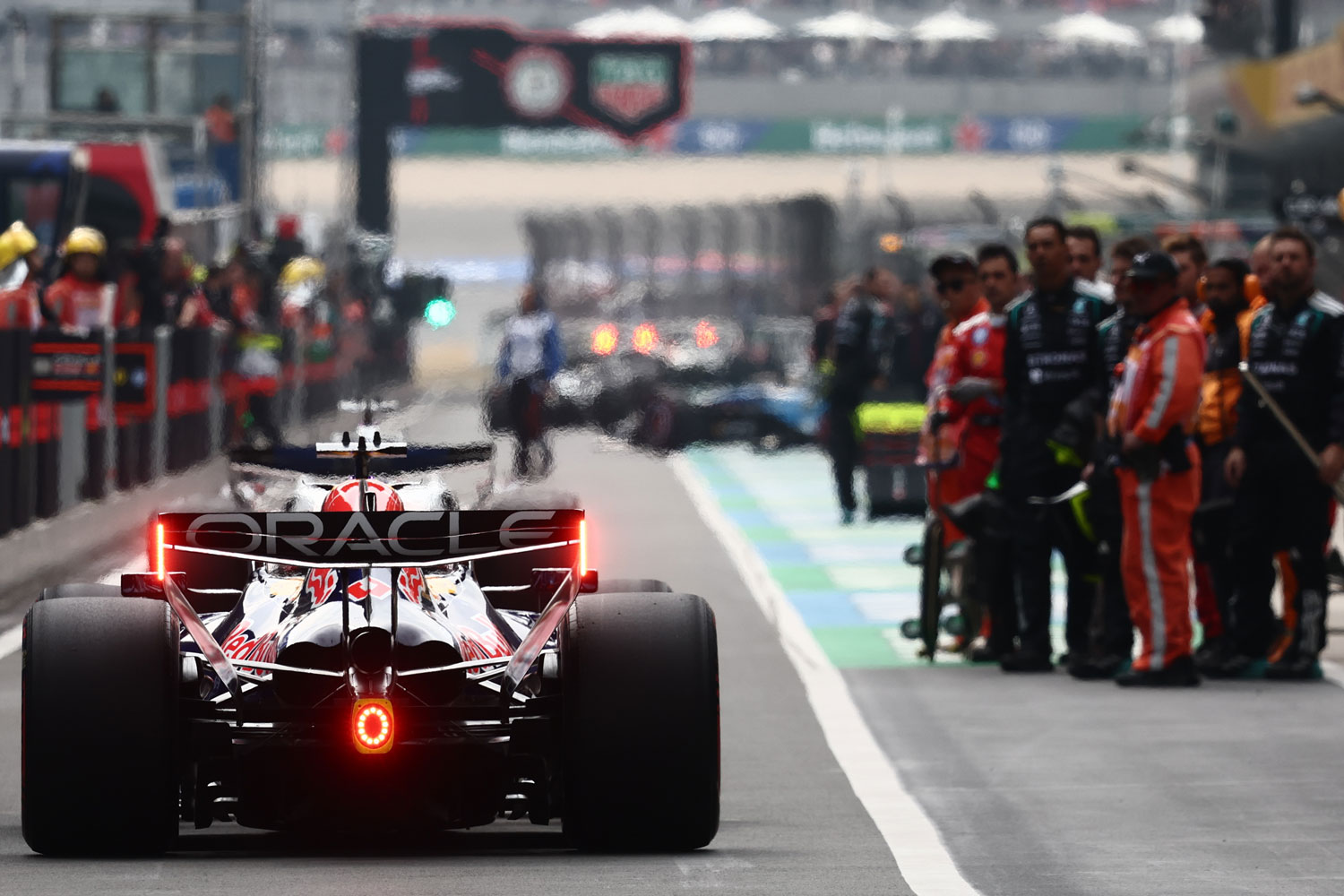
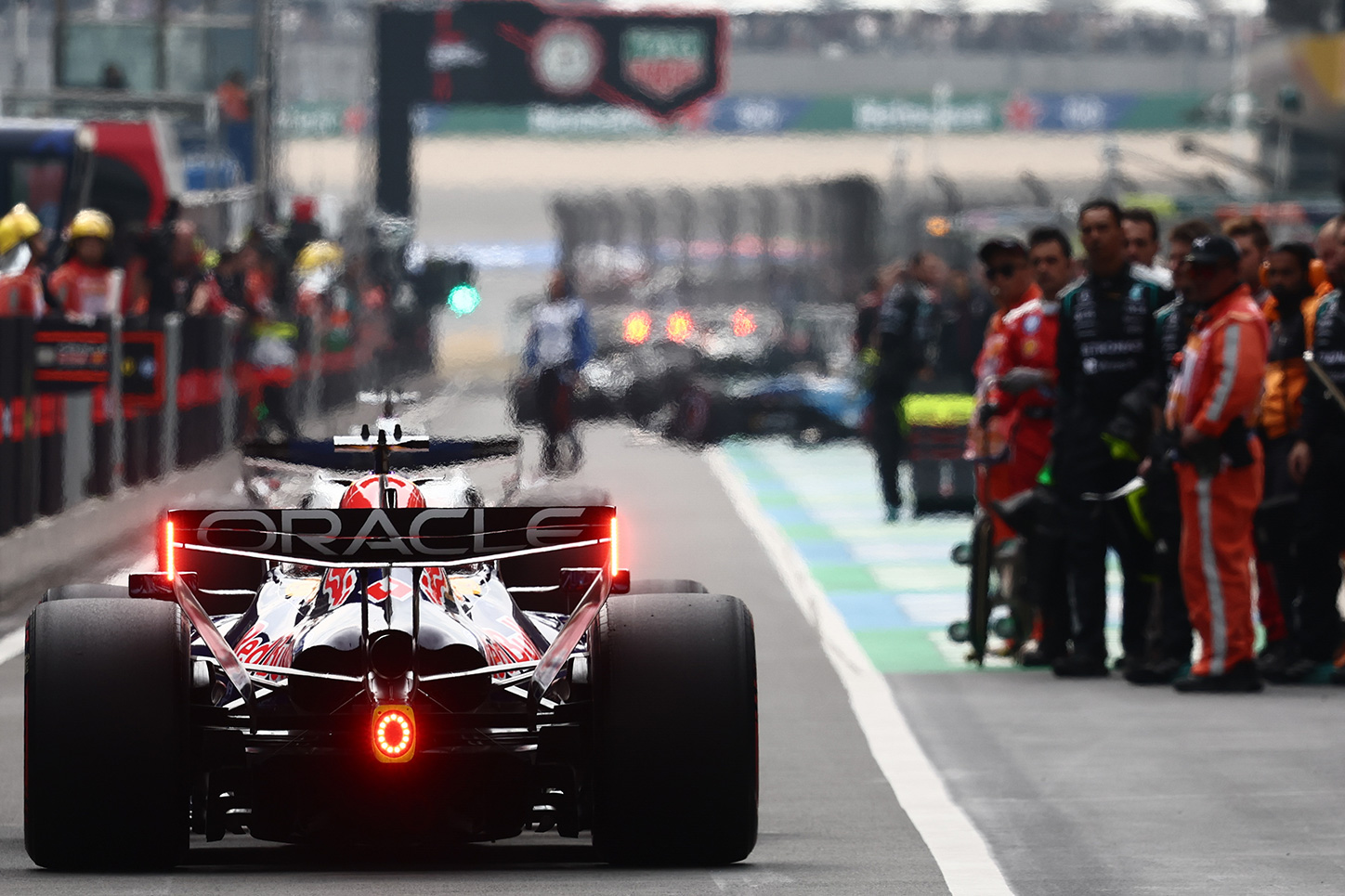
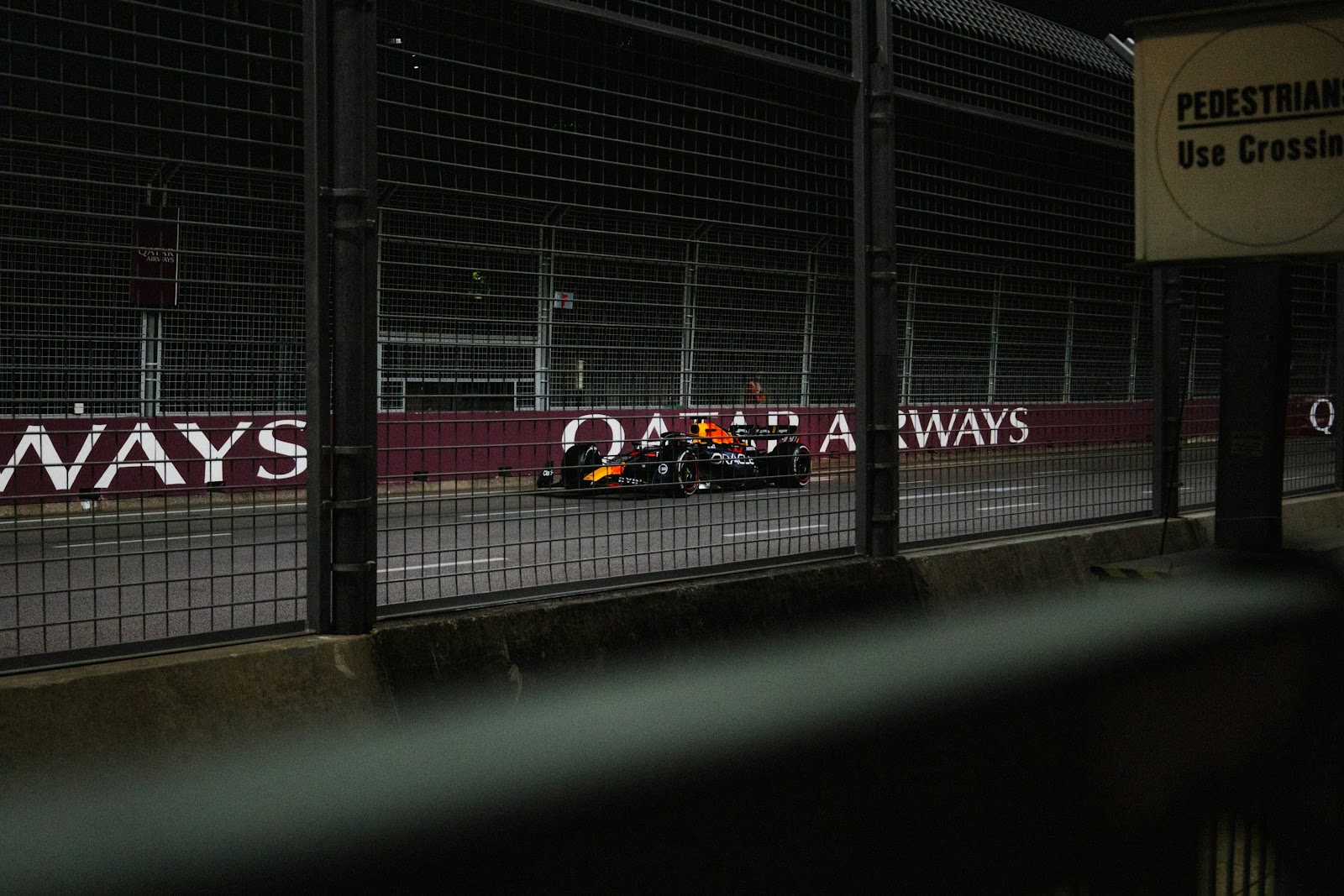
The FIA just rewrote the rulebook before Miami — and the changes hit qualifying, the race, and the start procedure all at once. Super clipping is out. Dual-zone MGU-K is in. Honda's in trouble, McLaren rolls in as the championship leader, and Verstappen still wants more. Here's what to watch before lights out at Hard Rock Stadium.
Read more
How Do Formula 1 Teams Use Tyre Strategy to Win Races?

How Do Formula 1 Teams Use Tyre Strategy to Win Races?

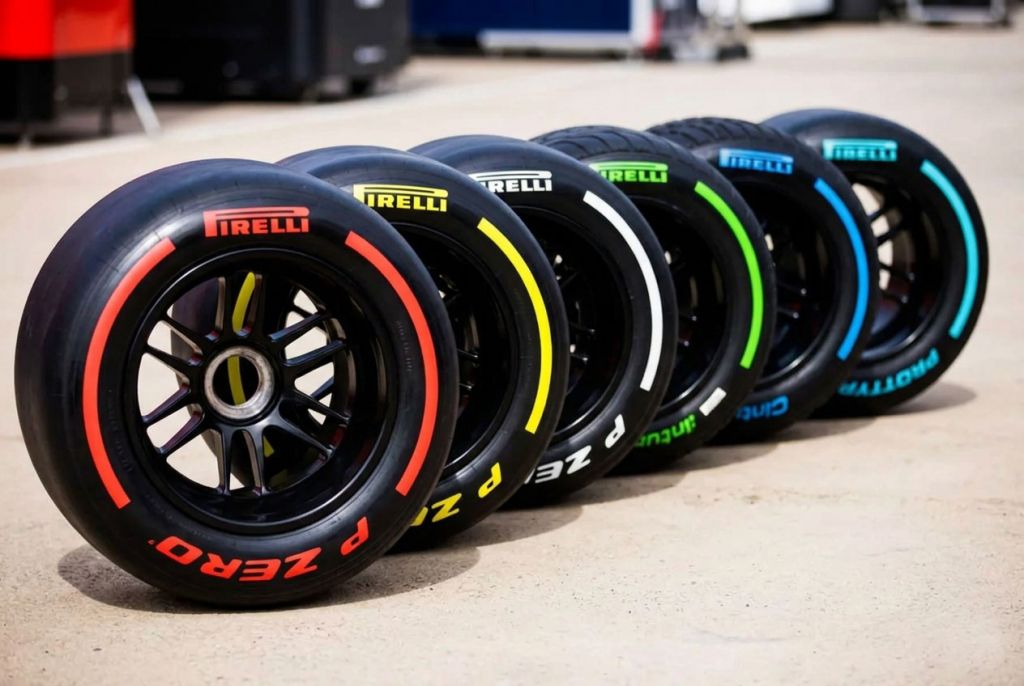
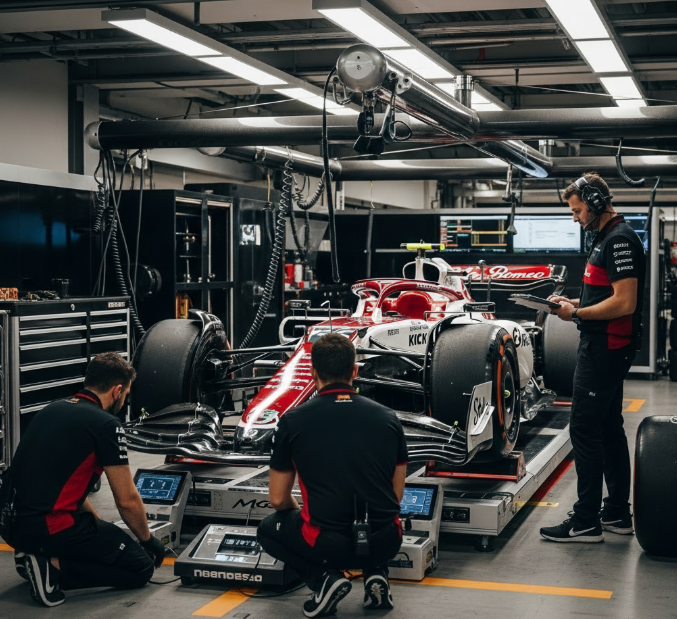
Teams rely on precise tyre compound choices, exact pit stop timing, and tactical moves like the undercut or overcut to gain track position and outsmart rivals. Understanding these mechanics helps motorsport enthusiasts see exactly how a Grand Prix is won or lost on the pit wall, often turning a midfield car into a podium contender.
Read more
The Art of the F1 Pit Stop: How Teams Achieve Sub-2-Second Tire Changes

The Art of the F1 Pit Stop: How Teams Achieve Sub-2-Second Tire Changes

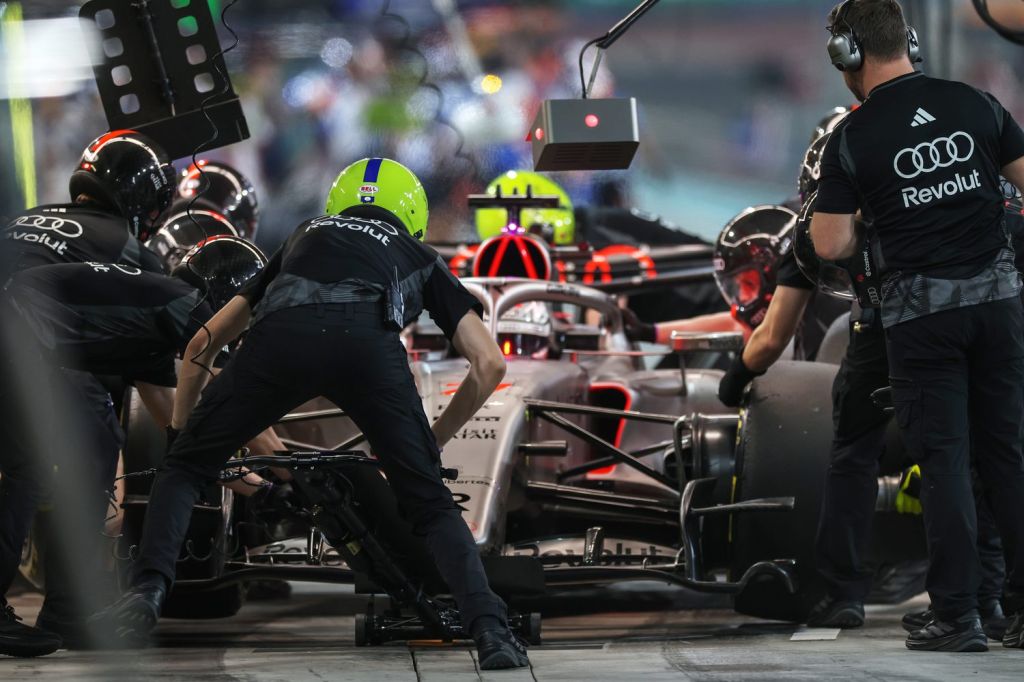
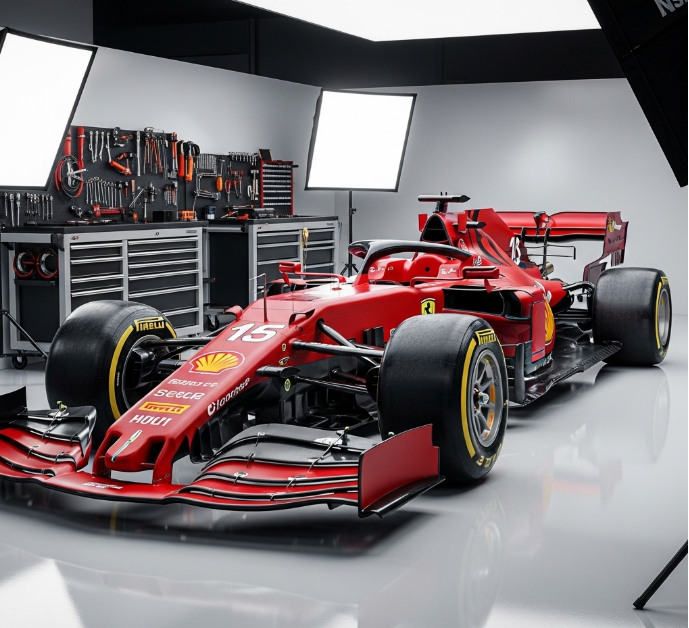
How do Formula 1 teams execute a flawless pit stop in under two seconds? It takes a highly synchronized crew of over twenty mechanics, advanced pneumatic tools, and thousands of practice hours to change four tires in the blink of an eye. This tiny window of intense action dictates track position and shapes race weekend strategy for the biggest Formula 1 teams.
Read more
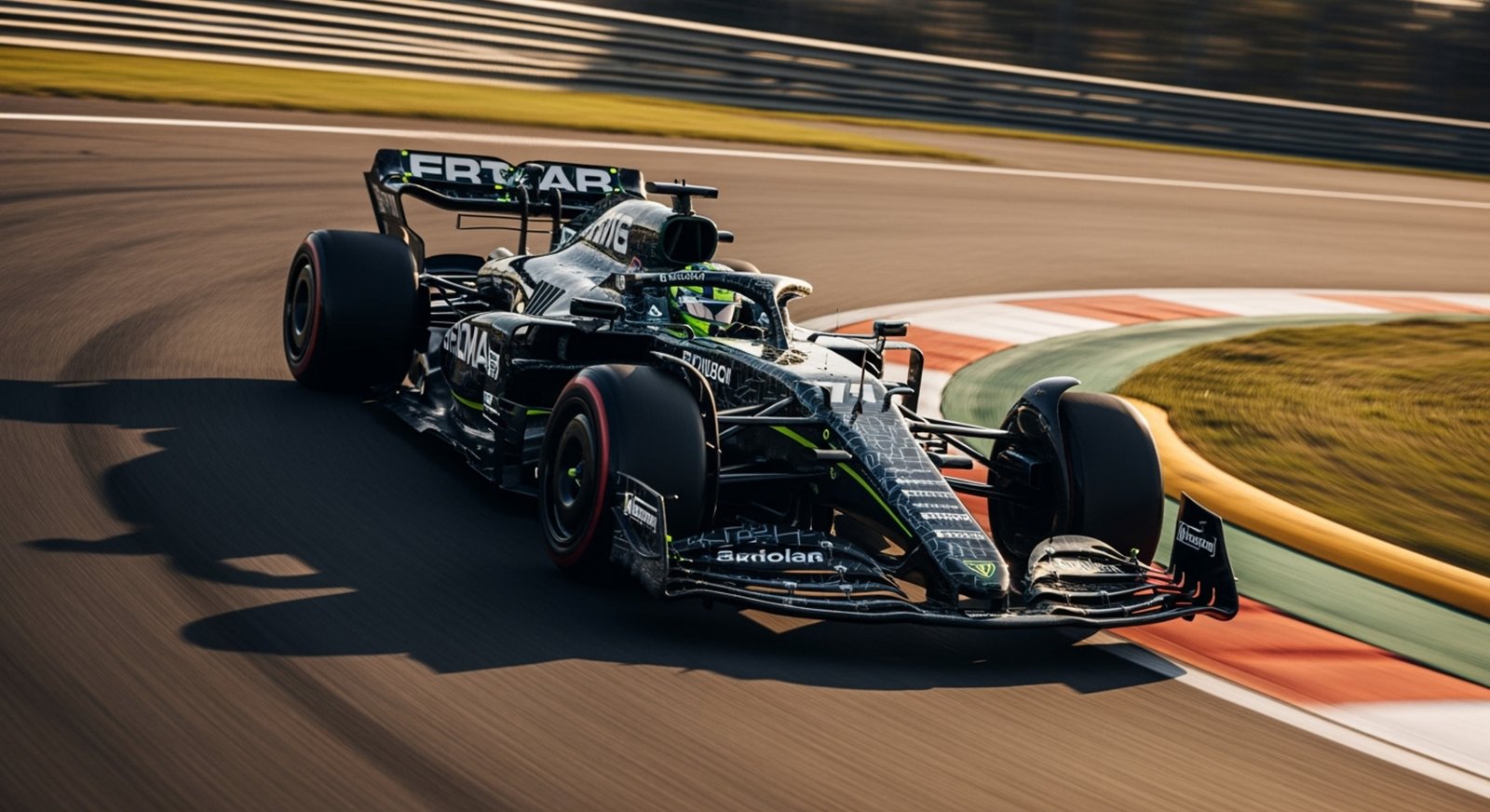
F1 Aston Martin and Honda 2026: What We Know So Far Now

F1 Aston Martin and Honda 2026: What We Know So Far Now

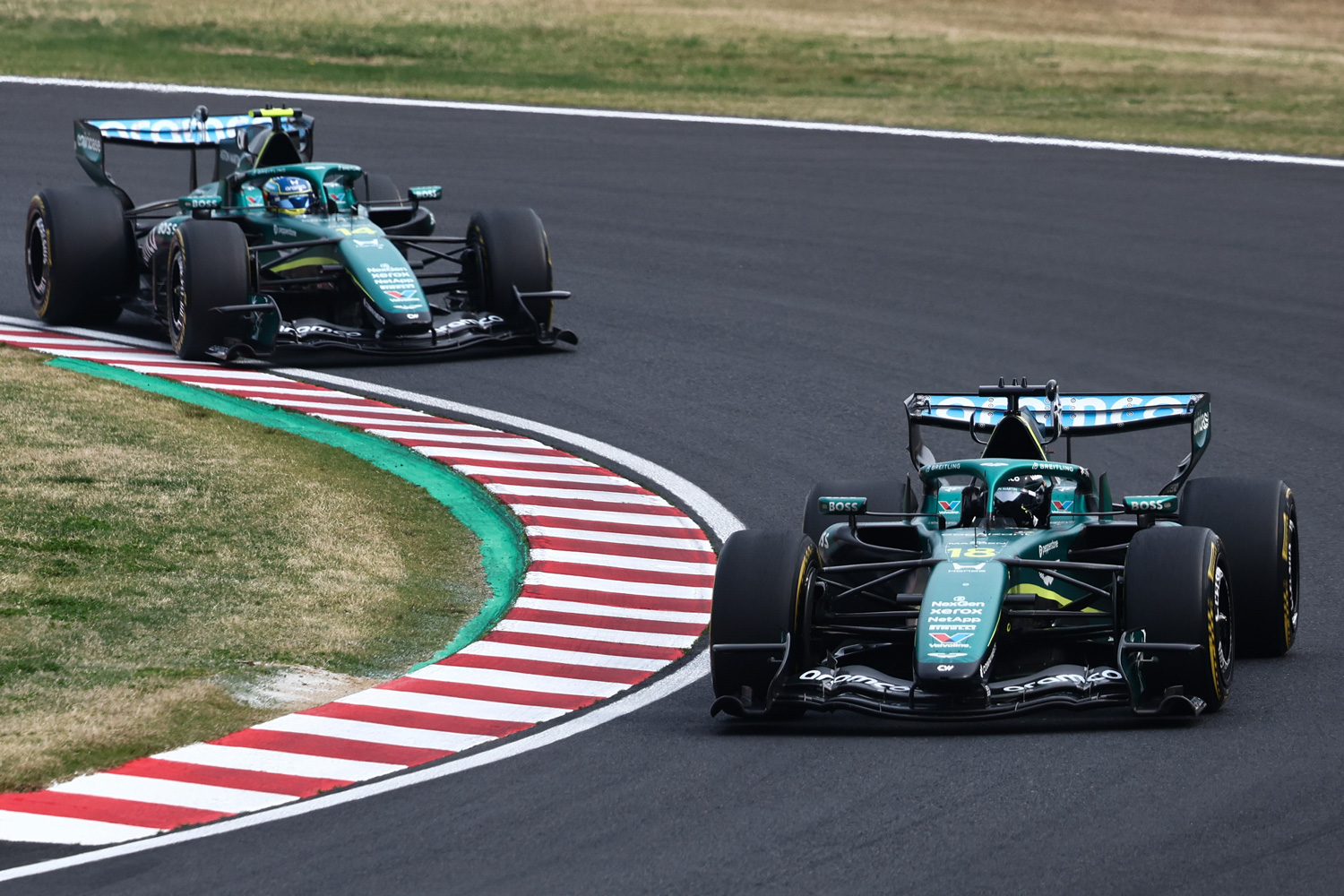
How is the highly anticipated 2026 Aston Martin and Honda Formula 1 partnership actually performing on track? Right now, the team is fighting severe engine issues instead of fighting for wins. While the new Adrian Newey-influenced chassis looks promising, early power unit vibrations and reliability problems have turned their front-running dreams into a battle just to finish races.
Read more
F1 Active Aero 2026: How It Changes Overtakes, Strategy

F1 Active Aero 2026: How It Changes Overtakes, Strategy

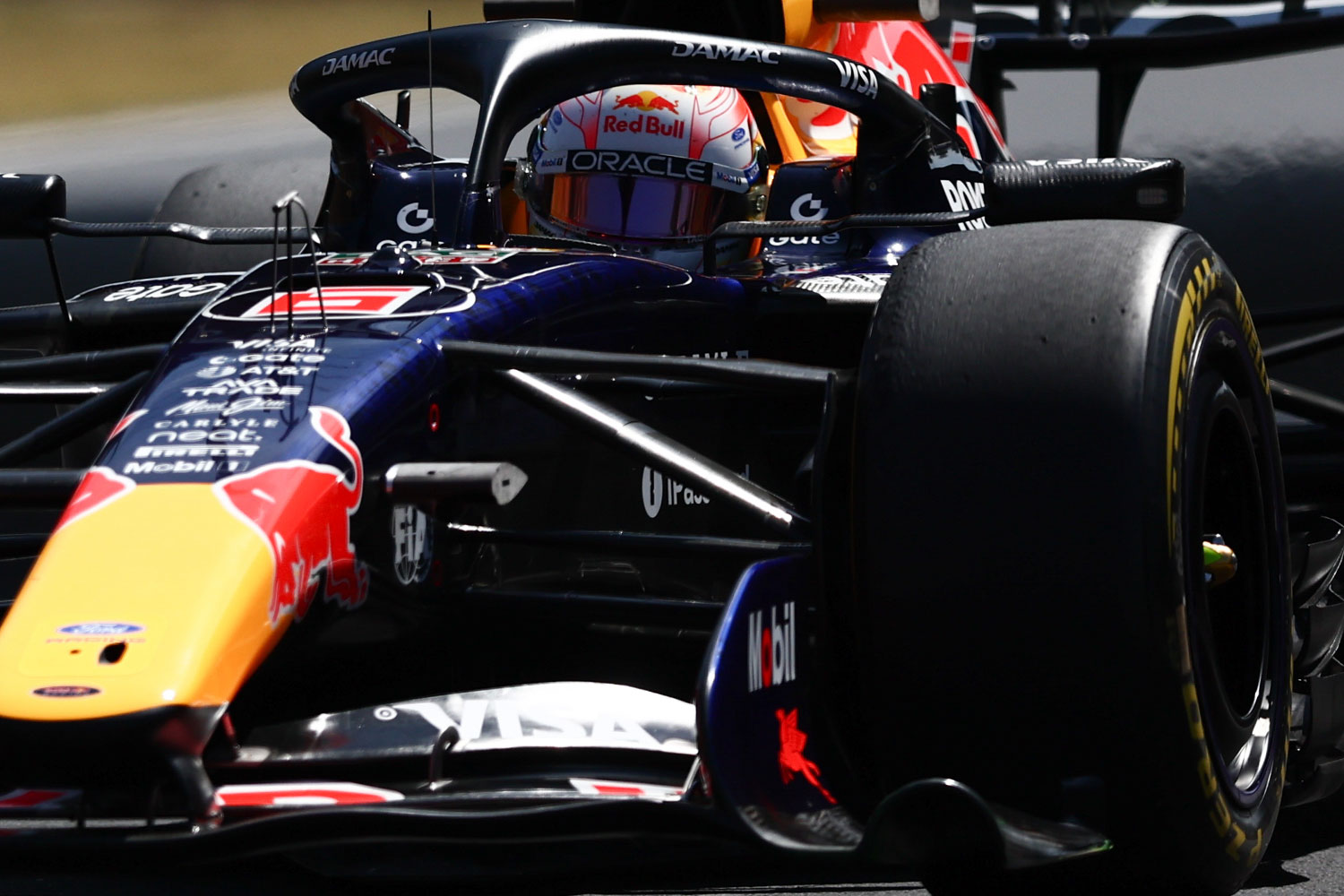
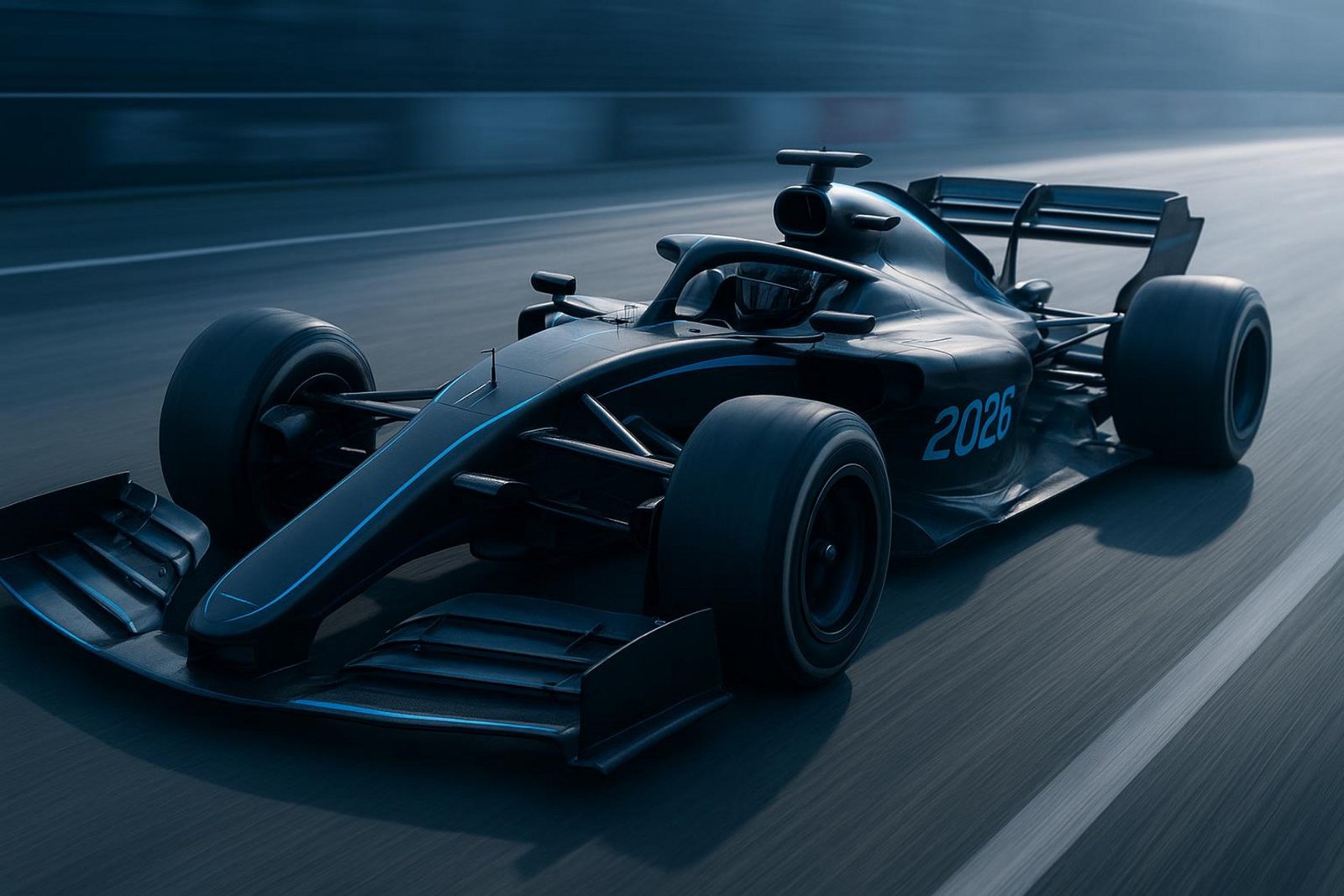
Formula 1’s 2026 rules bring the biggest technical shake-up the sport has ever seen. They change how drivers overtake and plan races by replacing the old Drag Reduction System (DRS) with a new “Active Aero” approach. Instead of a simple “open or closed” rear wing like DRS, Active Aero lets drivers keep adjusting both front and rear wings to balance grip and straight-line speed.
Read more
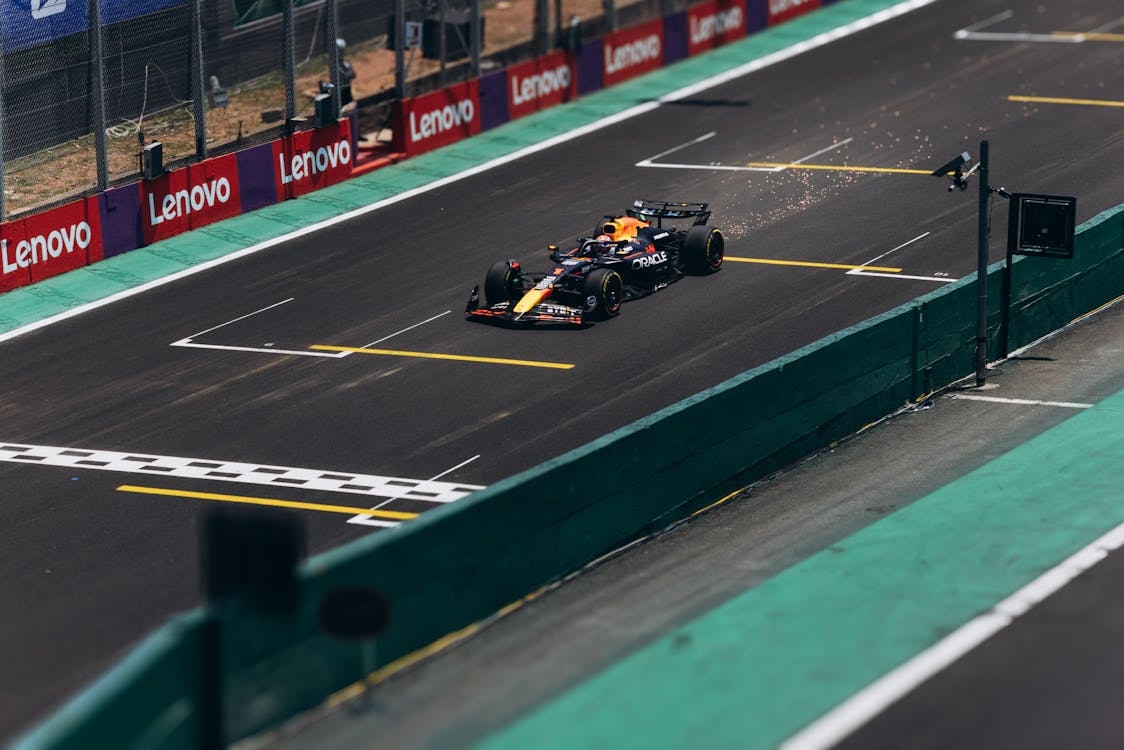
Why Do F1 Cars Spark?

Why Do F1 Cars Spark?

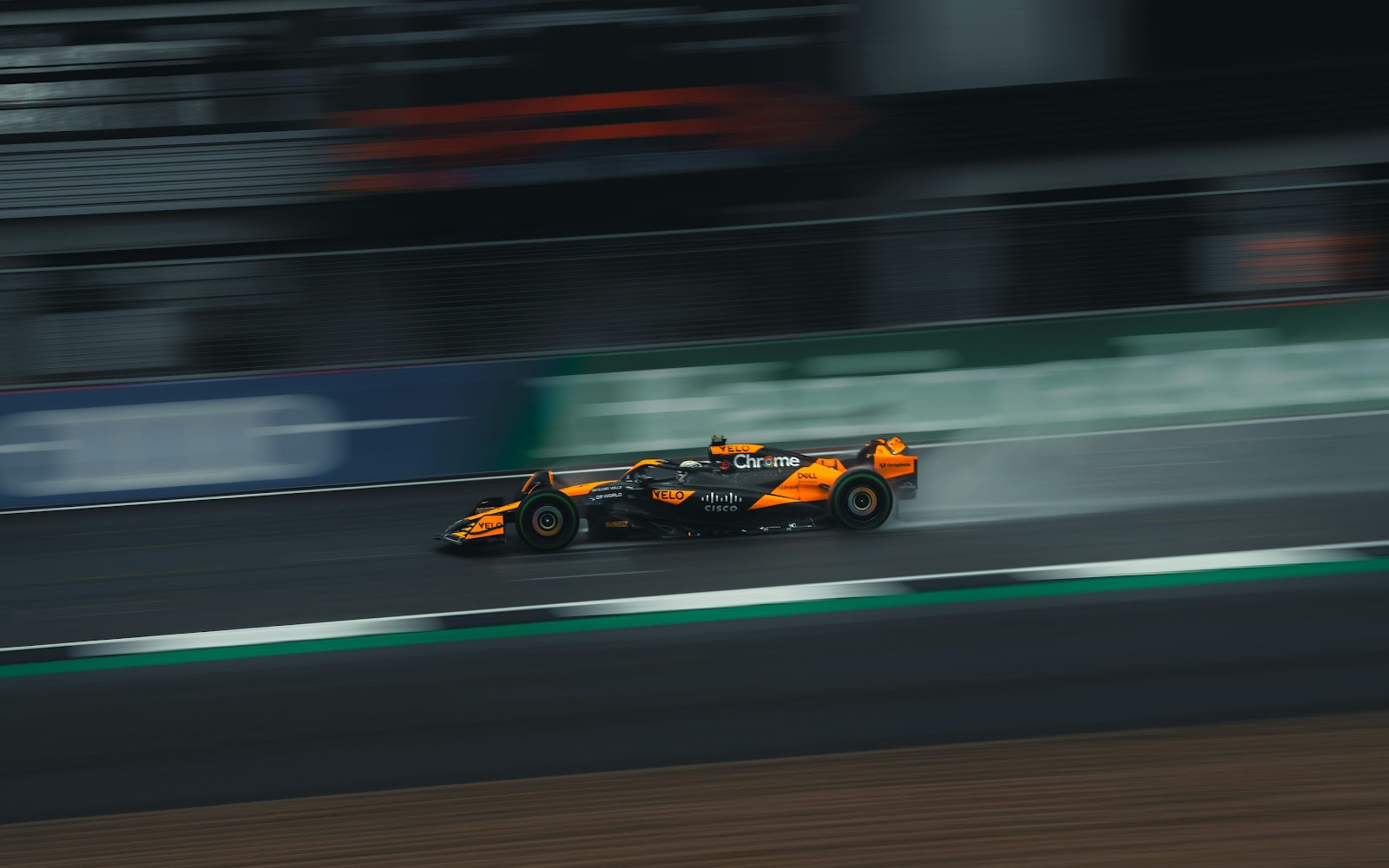
The bright trail of sparks behind a Formula 1 car is one of the most famous sights in racing, especially under the lights at night events. But what actually causes it?
Read more
What Engines Do F1 Cars Use?

What Engines Do F1 Cars Use?

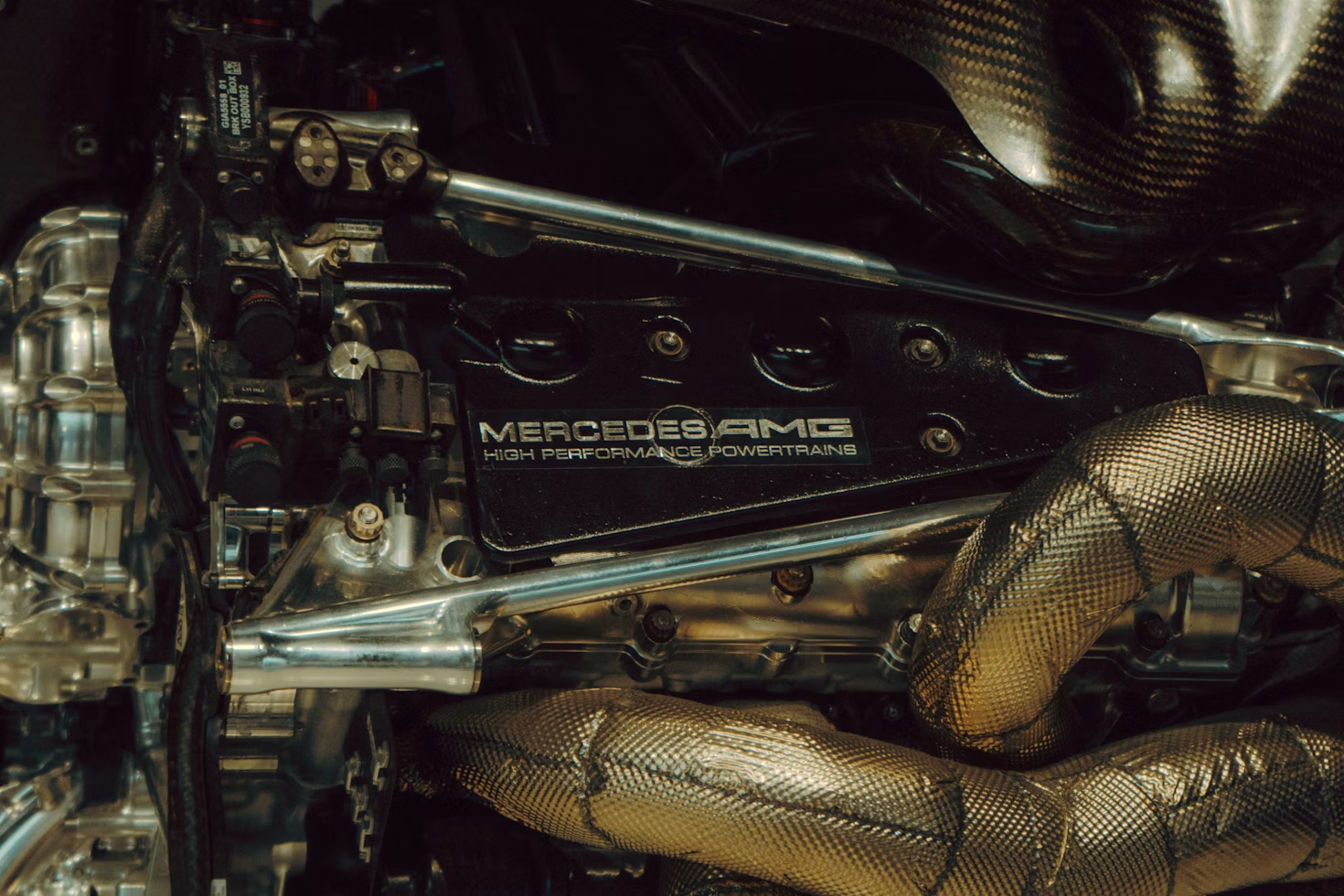
Formula 1 cars now use 1.6-liter, four-stroke, turbocharged 90-degree V6 DOHC engines. Since 2014, these have been called power units because they combine a petrol engine with electric energy recovery. These units are built for speed and efficiency on the toughest racetracks on the planet.
Read more
What Does DRS Mean in F1?

What Does DRS Mean in F1?

In Formula 1, where every millisecond matters and small choices can decide the outcome of a race, learning the main technical terms helps fans and newcomers follow the action.
Read more
How Much Does an F1 Car Weigh

How Much Does an F1 Car Weigh

Modern Formula 1 cars represent the heaviest generation in the sport's history, with current regulations mandating a minimum weight of 800 kilograms for the 2025 season. This figure includes the driver and all equipment but excludes fuel, creating a baseline that teams must meet to remain compliant with FIA technical regulations.
Read more
How Much Does an F1 Car Cost

How Much Does an F1 Car Cost

The price tag attached to a modern Formula 1 car represents one of motorsport's most significant financial investments. Current estimates place individual F1 car costs between £10-16 million, though this figure varies considerably depending on development scope, component specifications, and team resources.
Read more
How Many G’s Do F1 Drivers Experience?

How Many G’s Do F1 Drivers Experience?

Formula 1 drivers race at the highest level of motorsports, pushing their cars and themselves to the edge of what's possible. A big part of reaching these speeds is dealing with strong G-forces - or gravitational forces - while they speed up, slow down, or drive around corners.
Read more
How Fast Do F1 Cars Go?

How Fast Do F1 Cars Go?

While other cars designed just for straight-line runs or certain oval tracks (like some IndyCars) can go even faster in a straight, F1 machines stand out for how quickly they can get around twisting, technical tracks. This comes from a mix of smart aerodynamics, strong hybrid engines, and specialized tires.
Read more
pixelpixelpixelpixelpixelpixelpixelpixelpixel