Facts & Trivia

Korean GP 2028: Why This F1 Comeback Could Succeed Where Yeongam Failed

Korean GP 2028: Why This F1 Comeback Could Succeed Where Yeongam Failed

After 13 years off the F1 grid, South Korea is pushing one of the most ambitious calendar comebacks in recent memory. Incheon has green-lit plans for a 4.96-kilometer street circuit through Songdo - 15 corners, speeds up to 337 km/h, and Hermann Tilke's fingerprints on the layout. Here's why Korean GP 2028 could finally stick where Yeongam didn't, and what still has to happen before lights out near Seoul.
Read more
F1 2026 Pre-Season: Dates, Testing, and Round 1 Guide

F1 2026 Pre-Season: Dates, Testing, and Round 1 Guide

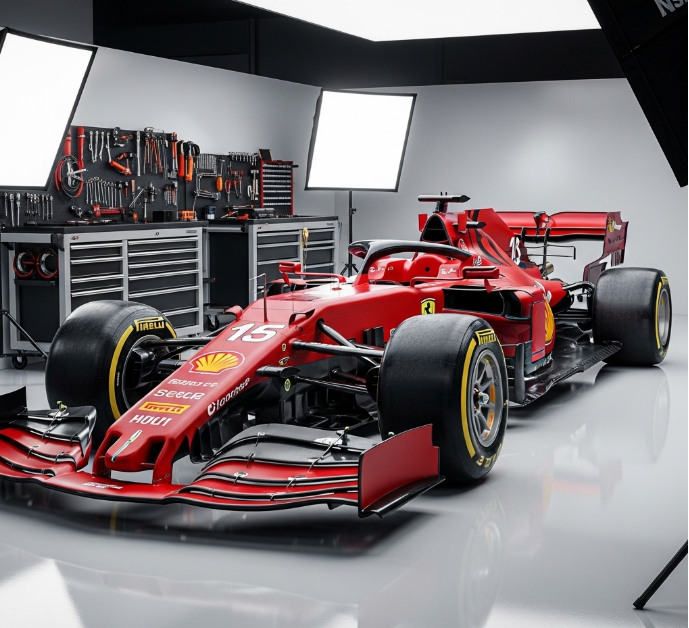
The 2026 F1 pre-season kicks off with car launches from January 15, followed by a private five-day test at Circuit de Barcelona-Catalunya (January 26-30) and two official three-day public tests at Bahrain (February 11-13 and February 18-20). Racing begins at the Australian Grand Prix in Melbourne, March 6-8, 2026.
Read more
Why Do F1 Cars Spark?

Why Do F1 Cars Spark?

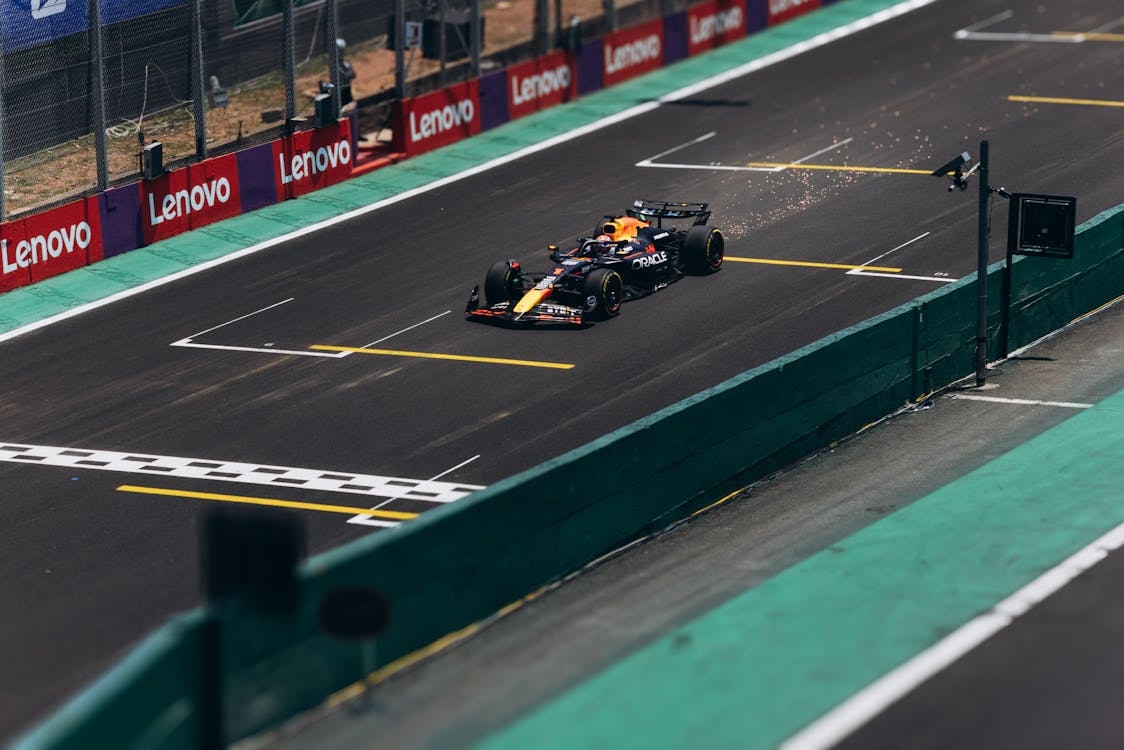
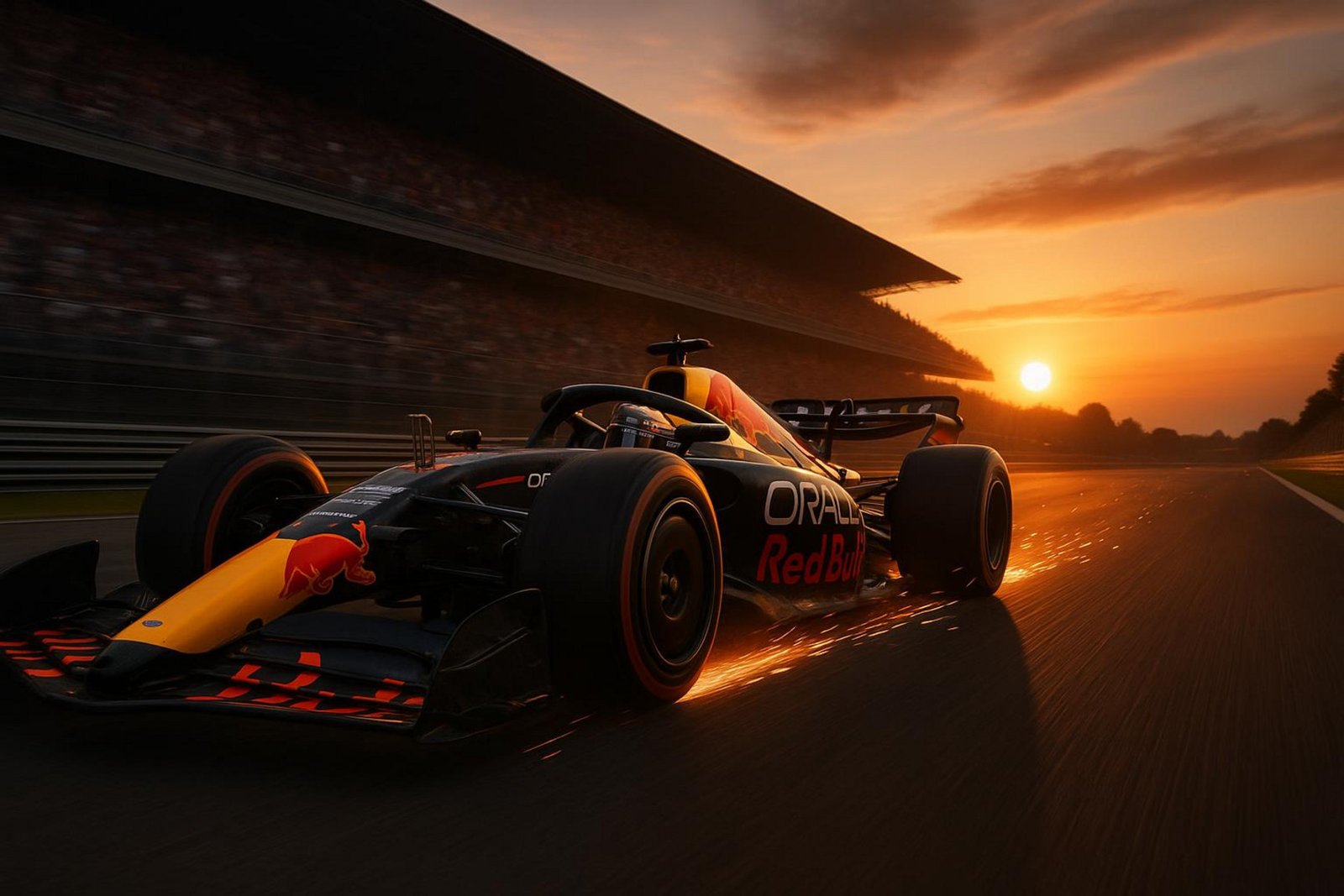
That trail of sparks beneath a Formula 1 car is one of the most dramatic sights in racing - especially under the floodlights at night events. The answer: titanium blocks on the underside of the car scrape the track surface when the car runs close to the ground, burning off tiny particles that glow white-hot at racing speeds.
Read more
Who Owns Formula 1?

Who Owns Formula 1?

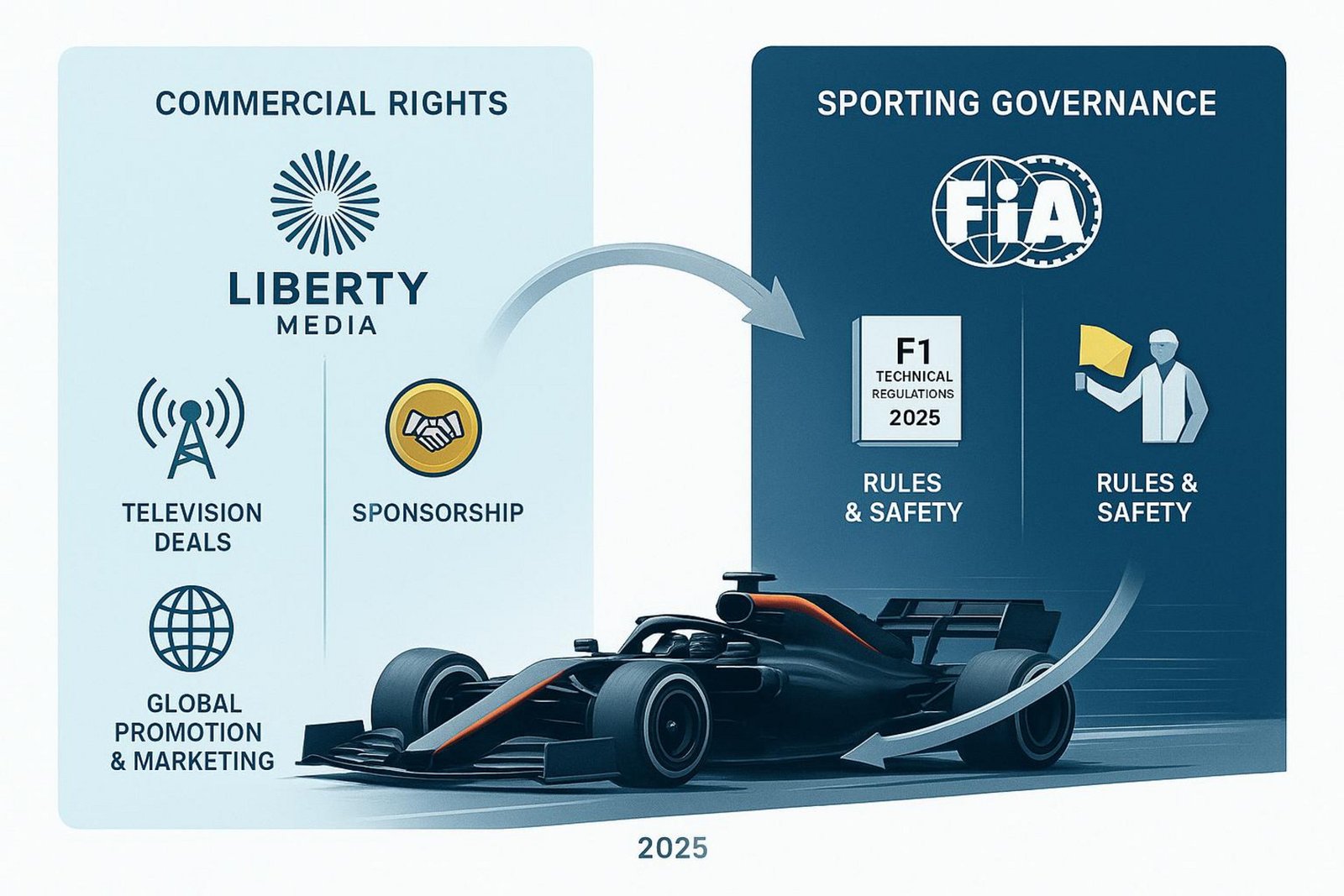
Formula 1's commercial rights are owned by Liberty Media Corporation, an American media company that bought them in 2017 for approximately $4.4 billion. The FIA remains the sport's independent governing body and sets the technical and sporting regulations, while Liberty Media operates F1 through its Formula One Group subsidiary.
Read more
Where to Watch F1

Where to Watch F1

F1 broadcasts vary by country: F1 TV Pro streams every session worldwide, Sky Sports holds UK rights, ESPN covers the US, and Canal+ serves France. Most markets also carry a handful of free-to-air races.
Read more
When Is Audi Joining F1?

When Is Audi Joining F1?

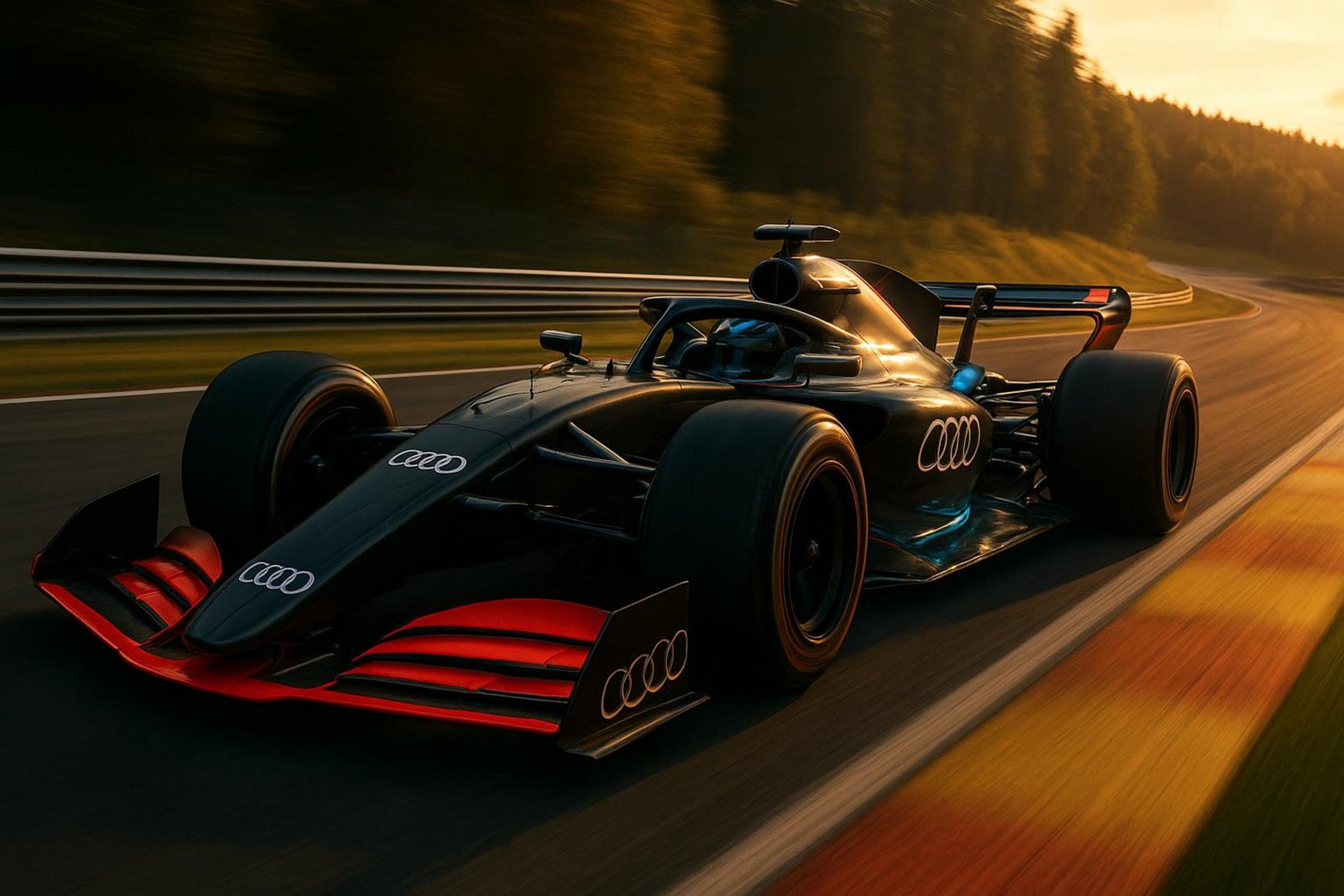
Audi officially enters Formula 1 in 2026 as a full factory team, racing as the Revolut Audi F1 Team. Using the acquired Sauber Group as its race base in Hinwil, the squad will be powered by a new engine built in Neuburg, Germany - the first fully German-built F1 powertrain in more than a decade.
Read more
When Does the F1 Season Start in 2026?

When Does the F1 Season Start in 2026?

The 2026 FIA Formula One World Championship begins with the Australian Grand Prix on March 6-8, 2026. This season marks a new era for F1, with major technical rule changes, new sustainable fuels, and a 24-race calendar.
Read more
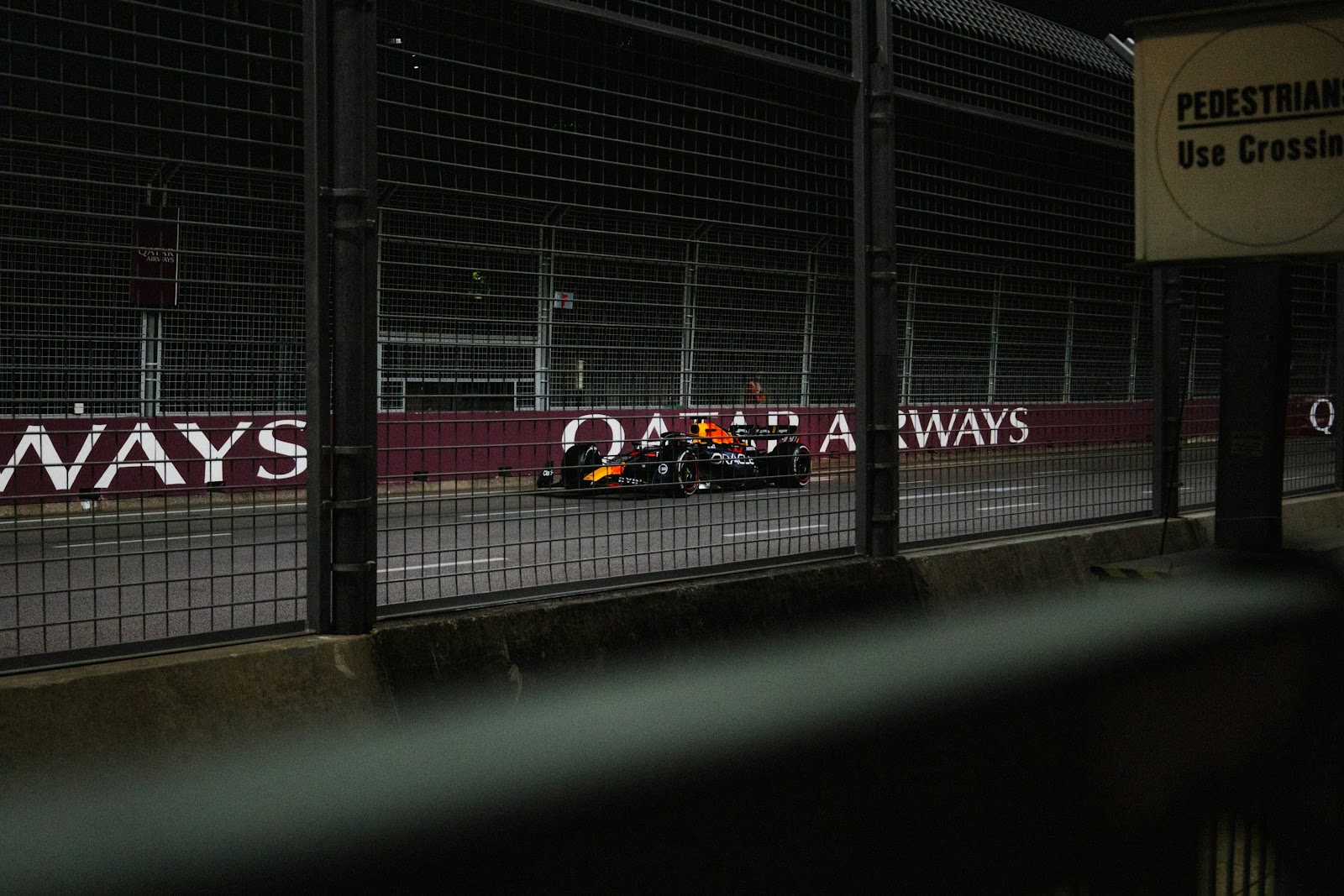
When Did F1 Start?

When Did F1 Start?

Formula 1's World Championship officially launched in 1950, but the sport's roots reach back to the European Grand Prix races of the 1920s and 1930s. Those pre-war events established the cars, the circuits, and the competitive culture that the FIA formalized into a unified global series after World War II.
Read more
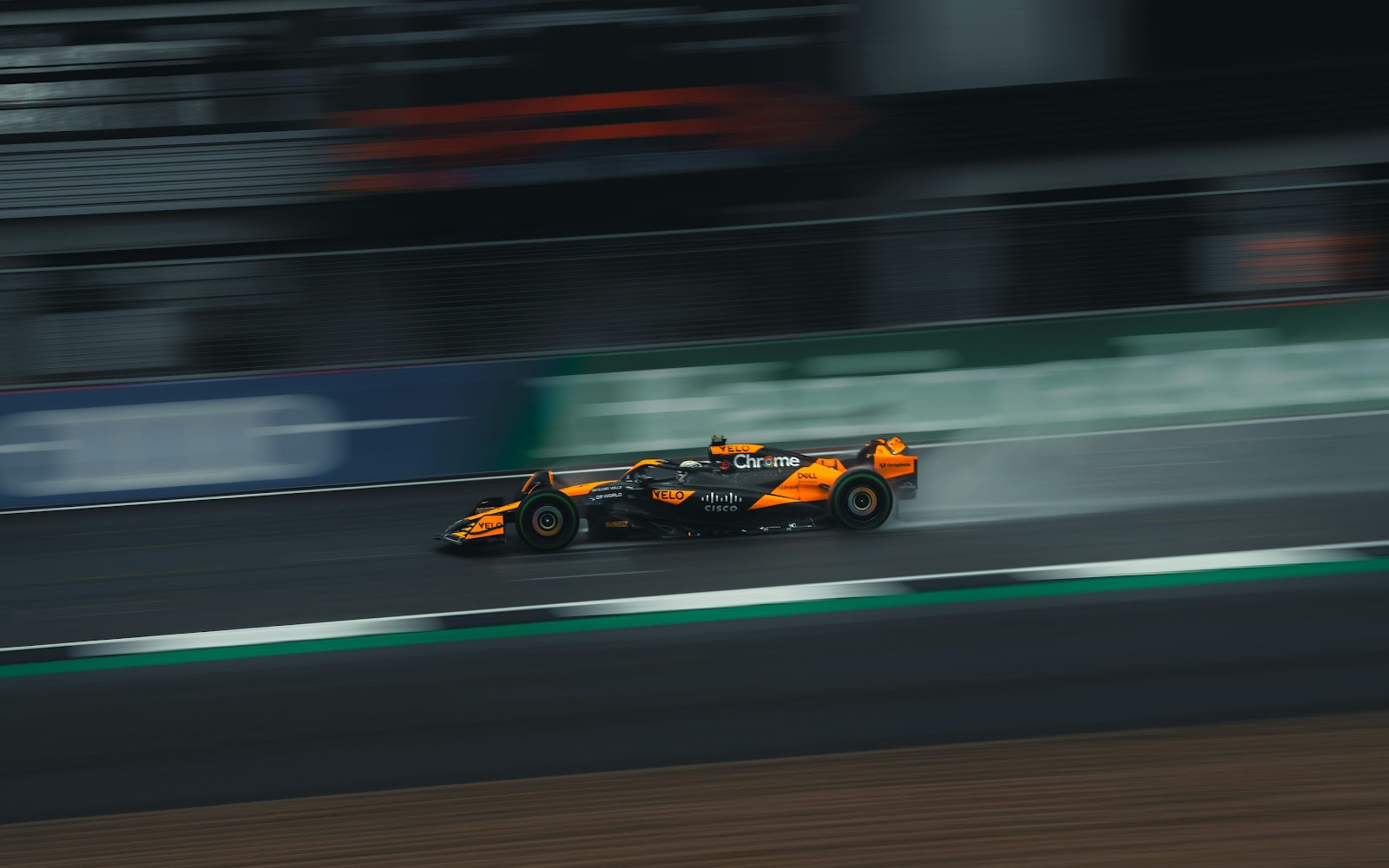
What Is F1?

What Is F1?

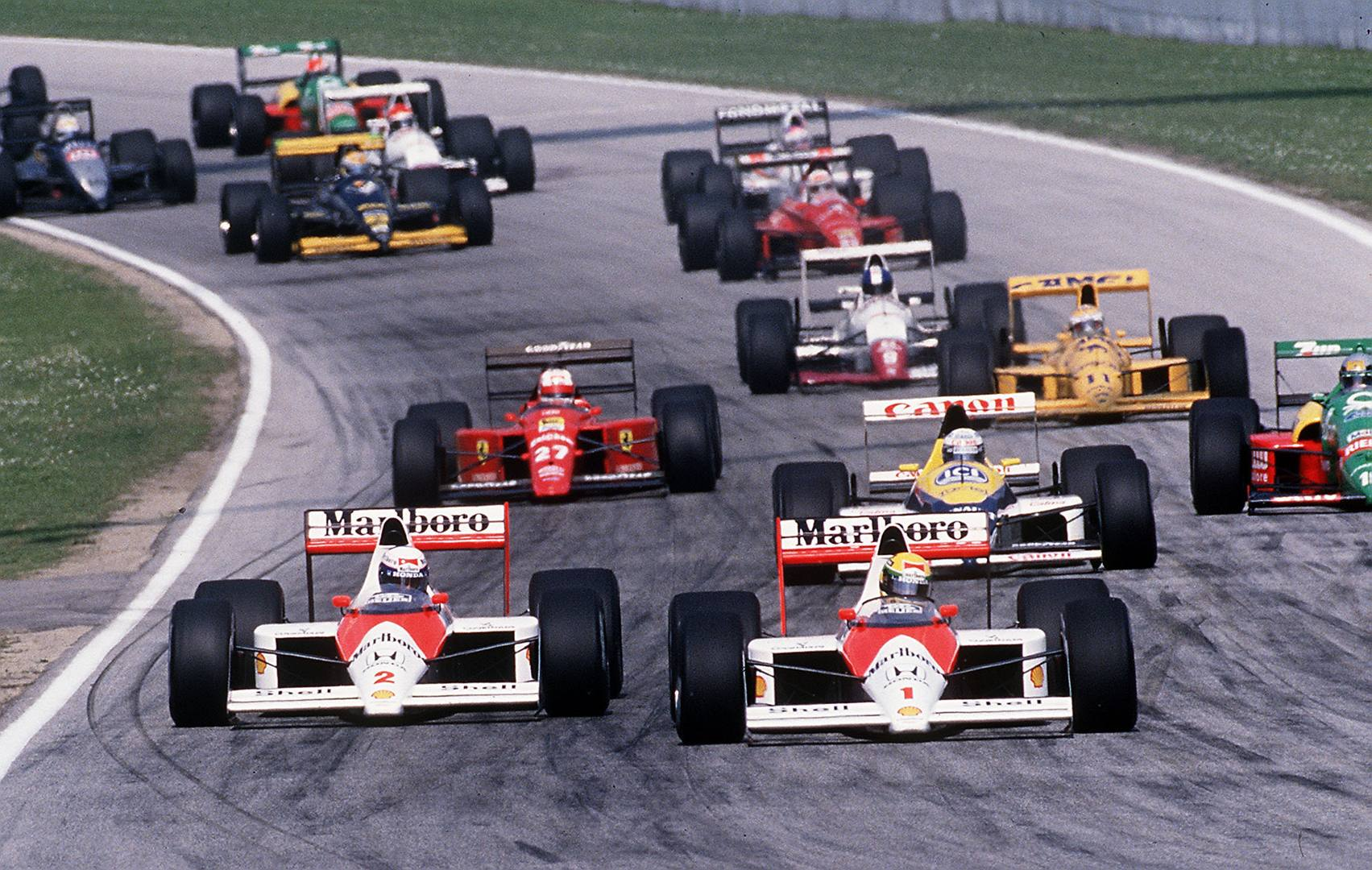
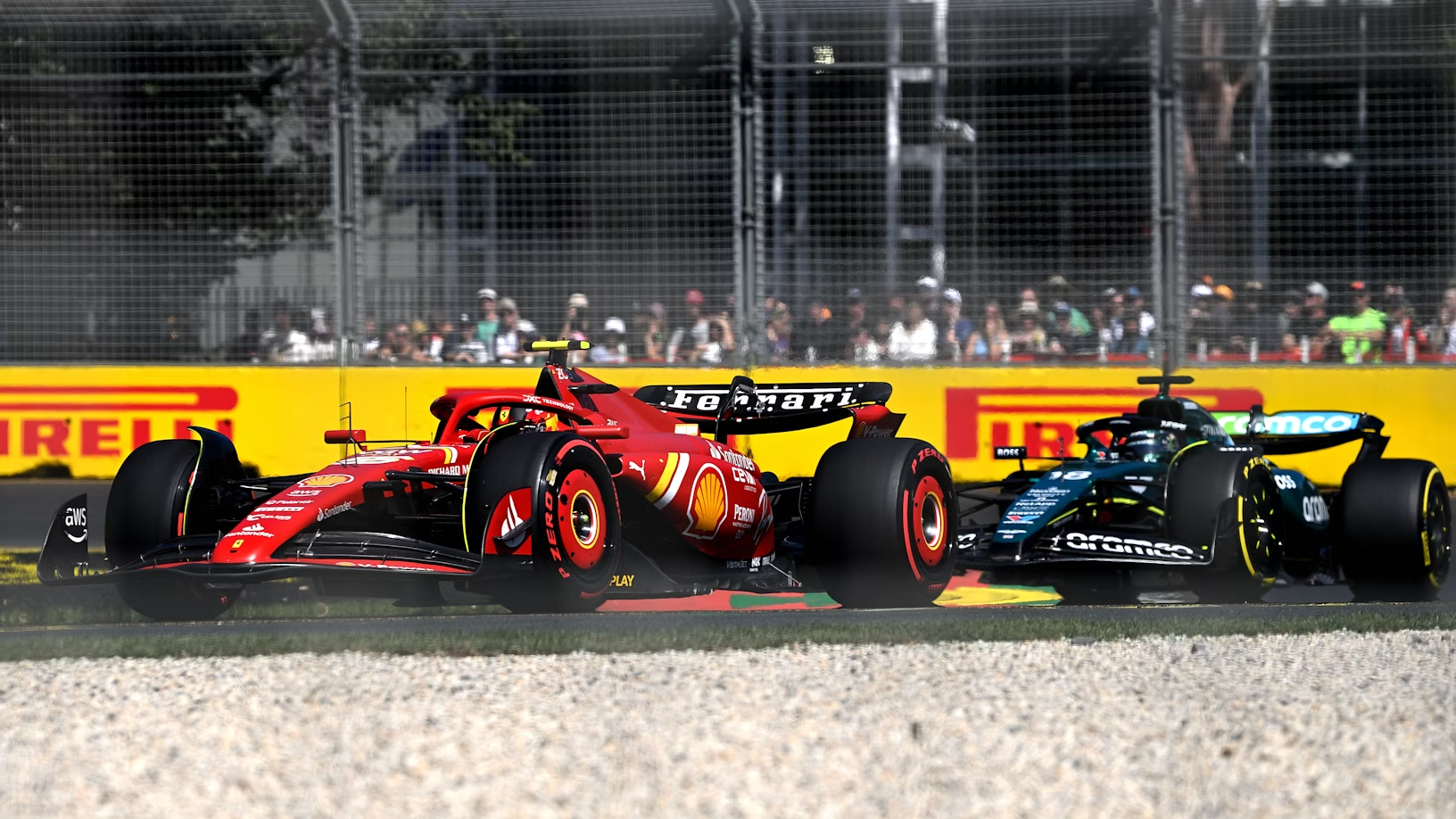
Formula 1 is the top tier of open-wheel, single-seater motorsport, governed by the FIA. Ten constructor teams and 20 drivers compete across up to 24 grands prix each season, racing on circuits worldwide.
Read more
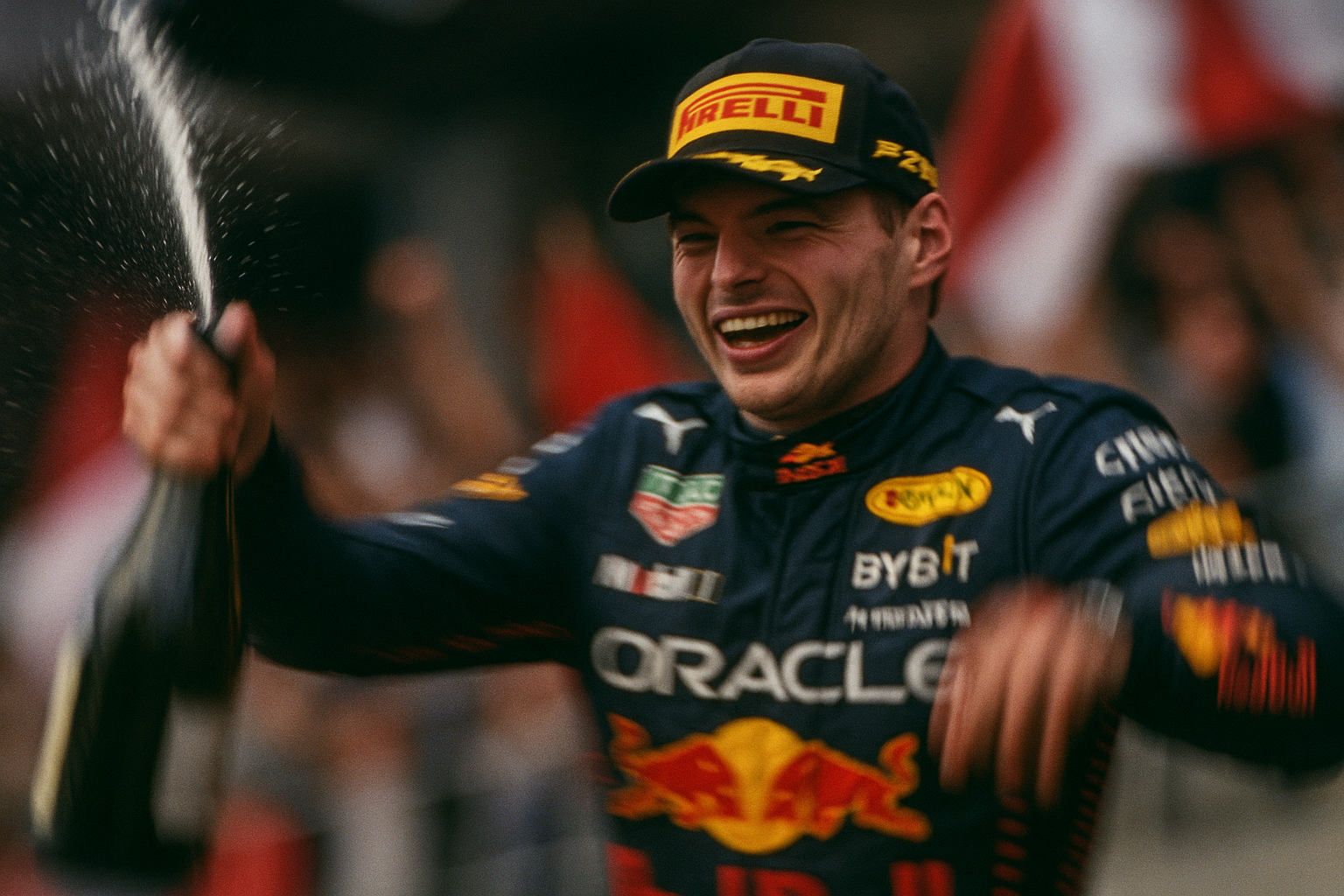
What Is F1 Sprint?

What Is F1 Sprint?

The F1 Sprint is a 100-kilometer race - roughly 30 minutes of flat-out driving with no mandatory pit stops. Six Sprint weekends appear on the 2025-2026 calendar, with points awarded to the top eight finishers (8 for the winner). First run at Silverstone in 2021, the format has been refined each season and now stands entirely independent from Sunday's Grand Prix grid.
Read more
What Is F1 Academy?

What Is F1 Academy?

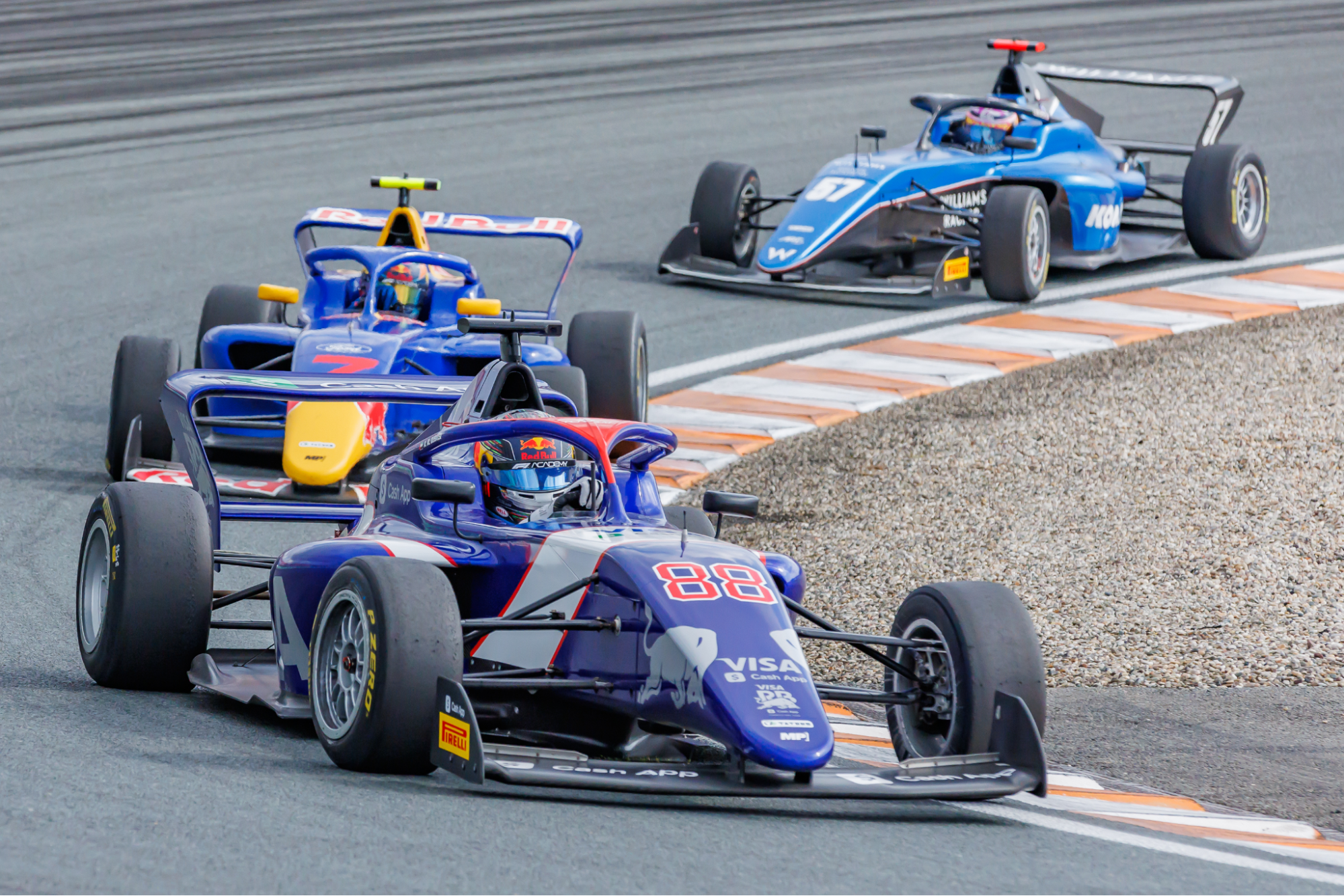
F1 Academy is an FIA-certified, single-seater racing series launched in 2023 to develop female talent in motorsport. The series runs alongside Formula 1 weekends, with five teams fielding three drivers each.
Read more
What Happened to Renault F1?

What Happened to Renault F1?

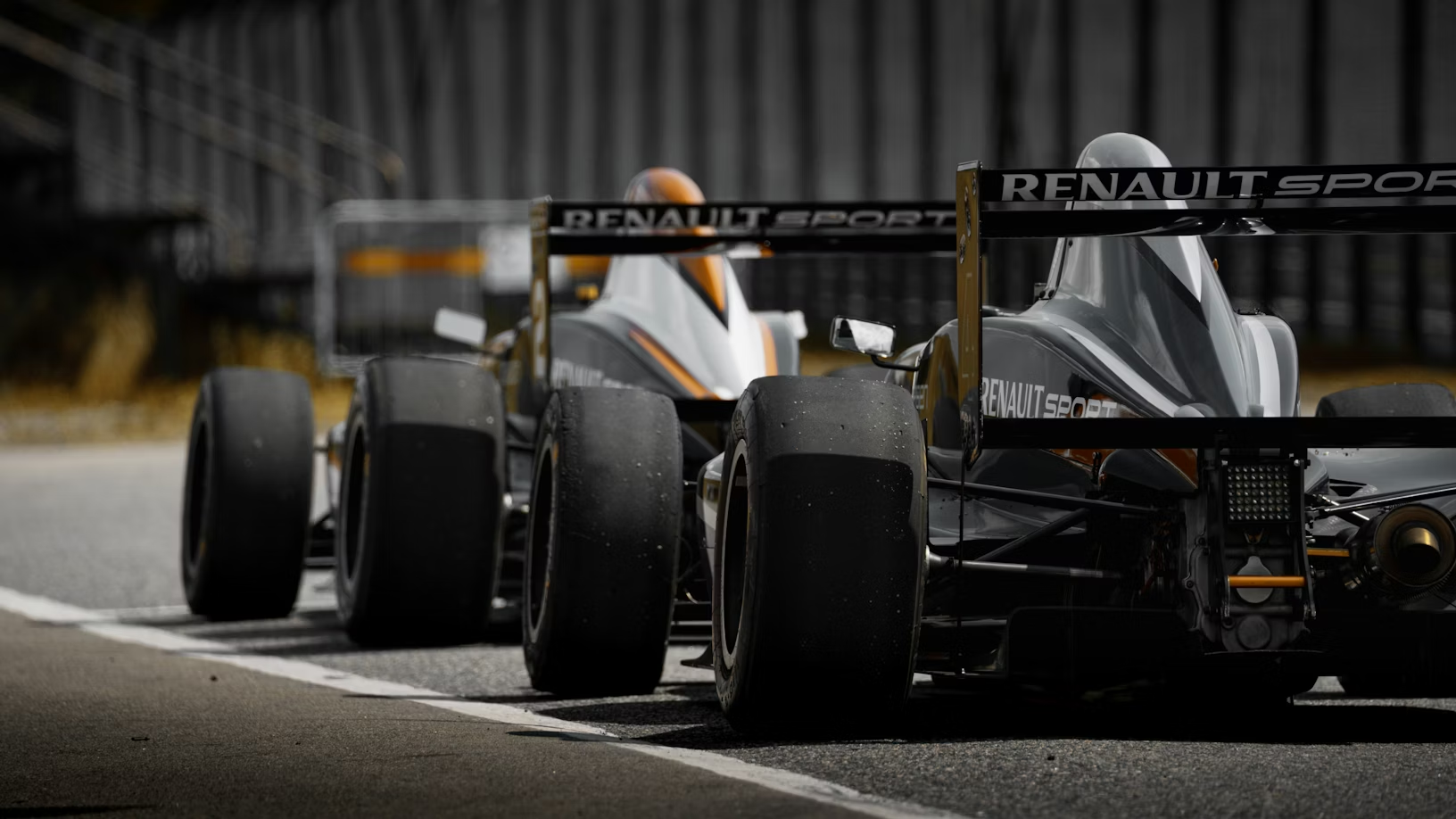
Renault's Formula 1 entry didn't disappear - it rebranded as Alpine F1 Team ahead of 2021. The Enstone factory kept building the cars and Renault's Viry-Chatillon unit kept building the engines; only the badge changed. Group CEO Luca De Meo drove the decision, using F1 to put the Alpine road-car brand in front of a global audience.
Read more
What Engines Do F1 Cars Use?

What Engines Do F1 Cars Use?

Since 2014, Formula 1 cars have used 1.6-litre turbocharged V6 hybrid power units, combining a petrol engine with two electric recovery systems — MGU-K (kinetic) and MGU-H (heat). The result is a unit producing well over 1,000 horsepower at thermal efficiencies exceeding 50%, among the most advanced in any form of racing.
Read more
What Does an Out Lap Mean in F1?

What Does an Out Lap Mean in F1?

An out lap in F1 is the lap a driver completes after leaving the pit lane, used to bring tires, brakes, and suspension up to working temperature before a flying lap or race restart. Getting it right is critical — a poorly managed out lap can cost tenths in qualifying and compromise tire performance in a race.
Read more
What Does Interval Mean in F1?

What Does Interval Mean in F1?

In Formula 1, an interval is the time gap between a car and the one directly ahead. Engineers and drivers use it constantly - it drives pit-stop timing, DRS activation, and every overtaking decision. Being within one second at a DRS detection point gives the trailing driver a speed-boosting rear wing opening for an attempt to pass.
Read more
What Does DRS Mean in F1?

What Does DRS Mean in F1?

DRS — Drag Reduction System — is a movable rear wing element that reduces aerodynamic drag and boosts top speed, helping drivers overtake on straight sections. It can only be used within a detection zone when a driver is within one second of the car ahead.
Read more
Is F1 a Sport?

Is F1 a Sport?

Formula 1 is unquestionably a sport. Drivers endure extreme G-forces, operate at the limits of human reaction speed, and compete within a team system demanding both individual excellence and collective precision. The debate is long settled.
Read more
How to Watch F1: A Comprehensive Guide

How to Watch F1: A Comprehensive Guide

Formula 1 is one of the most watched sports on the planet, broadcast across dozens of countries through TV, streaming, and official apps. This guide covers every reliable way to catch live races, qualifying, and replays — wherever you are.
Read more
How to Become an F1 Driver

How to Become an F1 Driver

Becoming an F1 driver means reaching the absolute peak of motorsport. With only 20 seats on the grid, it demands exceptional talent, years working through junior series, serious financial backing, and no small amount of fortune.
Read more
How Much Do F1 Drivers Make?

How Much Do F1 Drivers Make?

F1 drivers sit at the top of the professional sports pay scale. Verstappen earns £52 million base from Red Bull; Hamilton collects £48 million at Ferrari; and total packages for the top earners - including bonuses and personal endorsements - routinely clear £80 million a year. The gap between grid leaders and the 2025 rookies runs to 60:1 or more.
Read more
How Much Does an F1 Car Weigh?

How Much Does an F1 Car Weigh?

Modern Formula 1 cars represent the heaviest generation in the sport's history, with current regulations mandating a minimum weight of 800 kilograms for the 2025 season. This figure includes the driver and all equipment but excludes fuel, creating a baseline that teams must meet to remain compliant with FIA technical regulations.
Read more
How Much Does an F1 Car Cost?

How Much Does an F1 Car Cost?

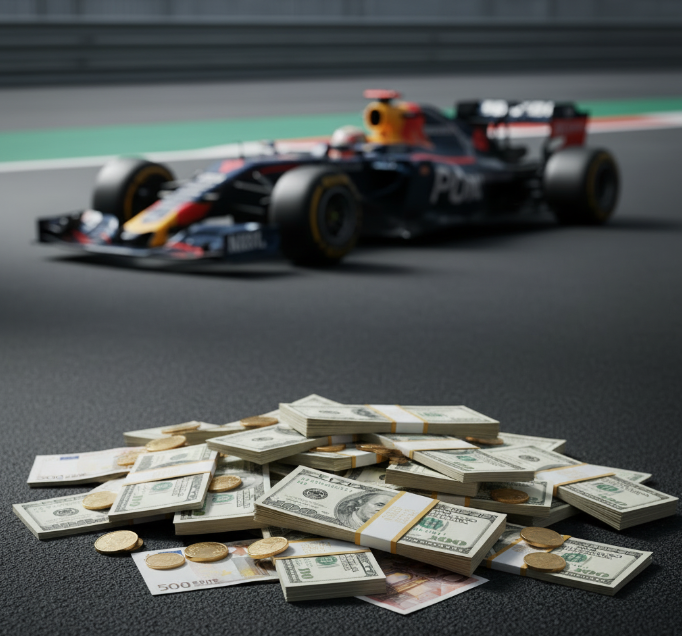
A modern Formula 1 car costs between £10 and £16 million to build. That figure covers just the car itself - teams also operate under a $140.4 million annual budget cap (2025), which excludes driver salaries, marketing, and senior staff pay. Before the cap era, top teams spent over £320 million a year, so the regulations have fundamentally changed F1's financial landscape.
Read more
How Much Are F1 Tickets?

How Much Are F1 Tickets?

F1 tickets for a three-day weekend average around $480 on the 2025-2026 calendar, ranging from $193 at the Chinese Grand Prix to over $2,000 at Monaco. Grandstand location, purchase timing, and dynamic pricing systems all affect cost. Booking early through official circuit sites is consistently the best way to secure the lowest price.
Read more
How Many McLaren F1s Were Made?

How Many McLaren F1s Were Made?

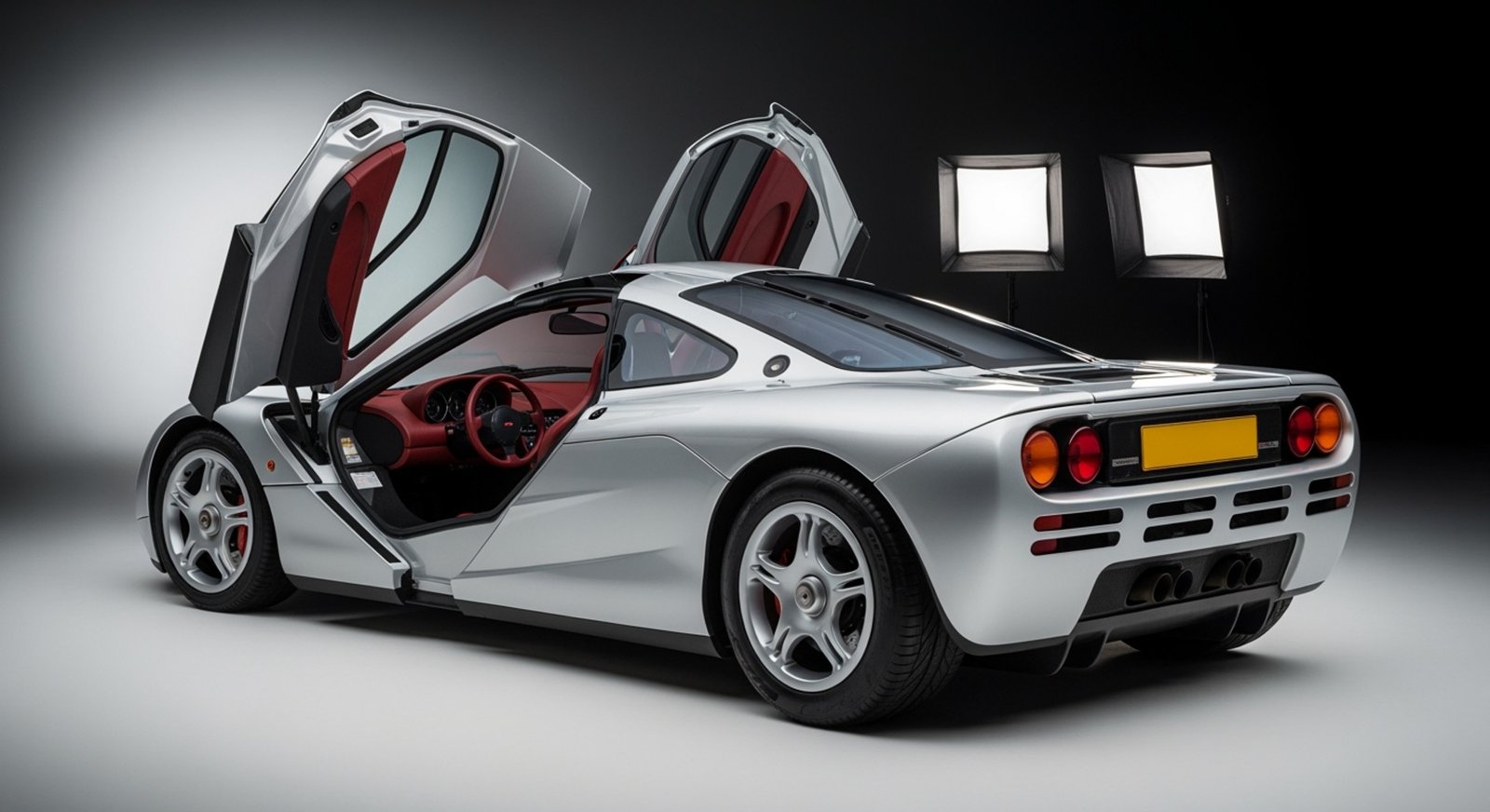
McLaren built exactly 106 F1 cars between 1992 and 1998. The total breaks down as 64 standard road cars, 28 GTR racers, 5 LM editions, 3 GT Longtails, and 7 prototypes, each assembled by hand in Woking. Approximately 100 of the 106 survive today.
Read more
How Many G's Do F1 Drivers Experience?

How Many G's Do F1 Drivers Experience?

F1 drivers regularly endure G-forces far beyond everyday life — over 6G under hard braking and up to 5G through high-speed corners. Understanding these forces reveals just how physically demanding Formula 1 really is.
Read more
How Long Is an F1 Race?

How Long Is an F1 Race?

A Formula 1 race is decided by distance, not a stopwatch. Every Grand Prix covers at least 305 km, with the lap count varying by circuit - and strict time caps ensuring no race runs on indefinitely.
Read more
How Fast Do F1 Cars Go?

How Fast Do F1 Cars Go?

F1 cars combine extreme straight-line speed with cornering performance no other racing car can match. On the longest straights they reach 220 mph (354 km/h), while advanced aerodynamics, powerful hybrid engines, and specialized tires let them set the fastest lap times around twisting, technical circuits.
Read more
Are F1 Cars Street Legal?

Are F1 Cars Street Legal?

Formula 1 cars are purpose-built racing machines, capable of extraordinary speeds and unmatched grip on smooth circuits. Taking one onto a public road is not just impractical - it is illegal in every jurisdiction.
Read more
When Did Max Verstappen Join Formula 1?

When Did Max Verstappen Join Formula 1?

Max Verstappen debuted in Formula 1 on 15 March 2015, aged 17 years and 166 days - the youngest driver ever to start an F1 race. Promoted from European Formula 3 without a full GP2 season, he won his first race at the 2016 Spanish Grand Prix and went on to win four consecutive world championships.
Read more
How Many F1 Drivers Are There?

How Many F1 Drivers Are There?

Formula 1 fields 20 drivers per season across 10 two-car teams - a deliberately narrow grid that makes every seat one of the most competed-for positions in global sport. The 2025 lineup brings six rookies alongside established champions, setting up one of the most generationally diverse grids in over a decade.

Read more
pixelpixelpixelpixelpixelpixelpixelpixelpixel