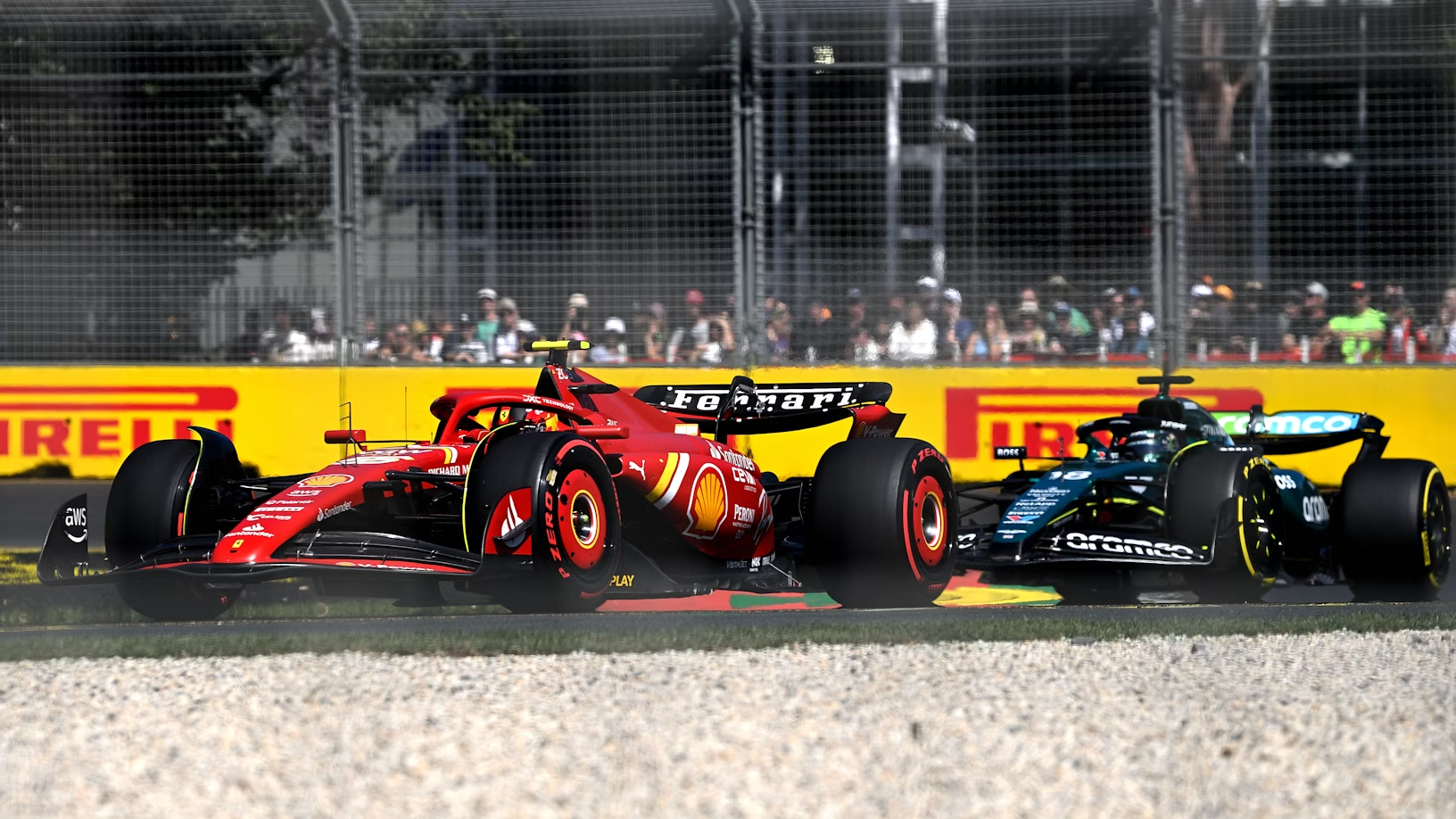
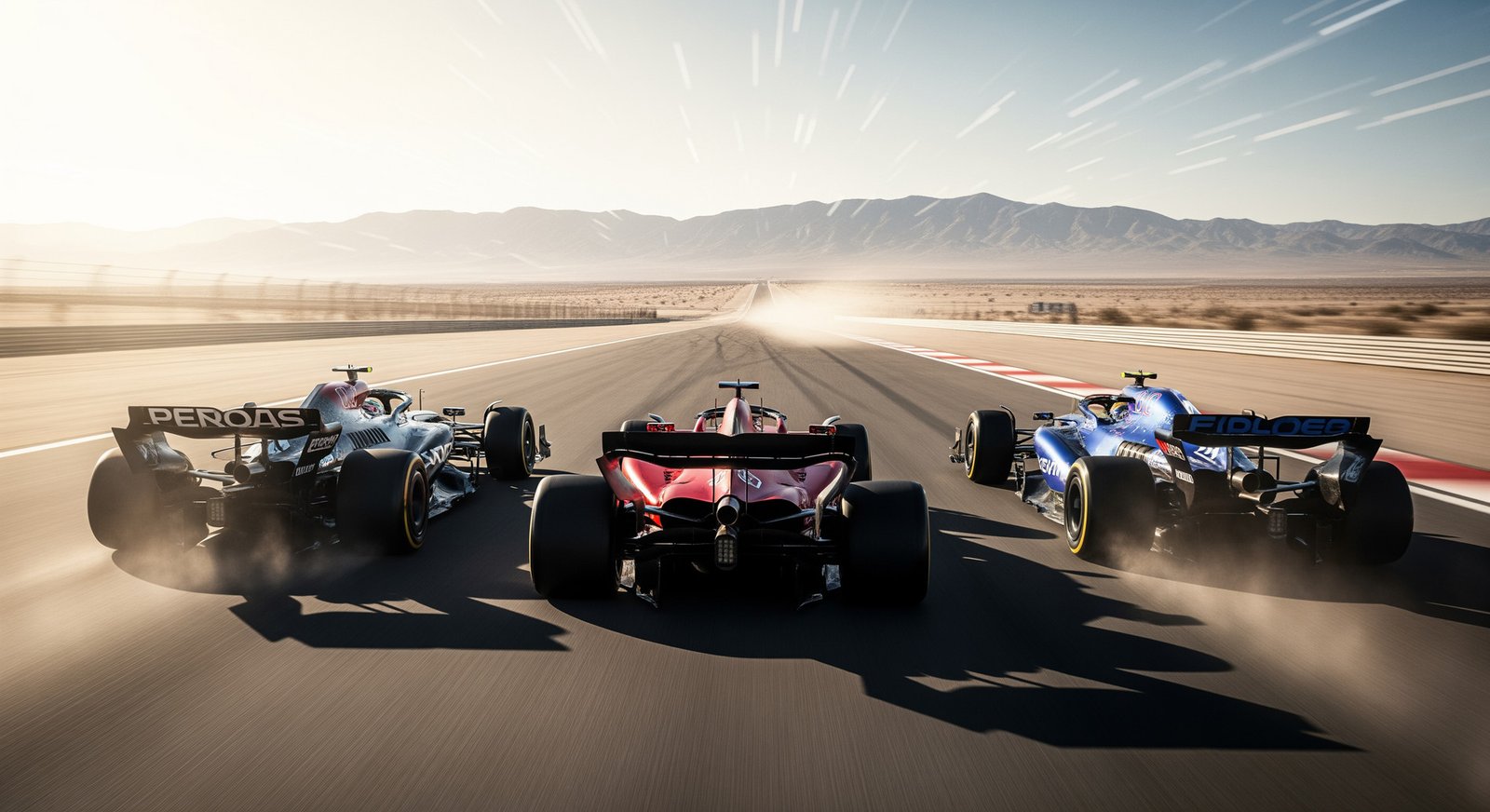
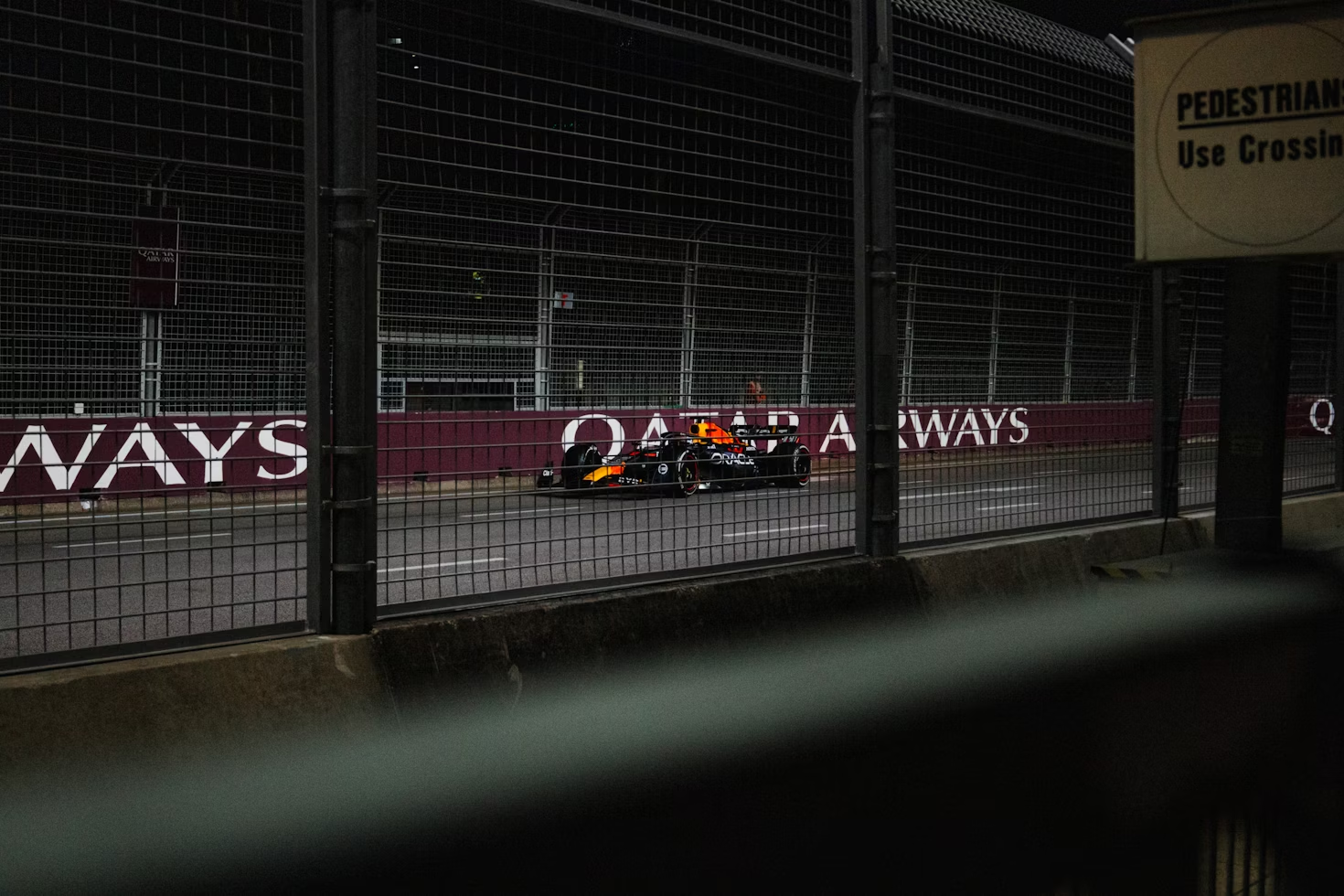
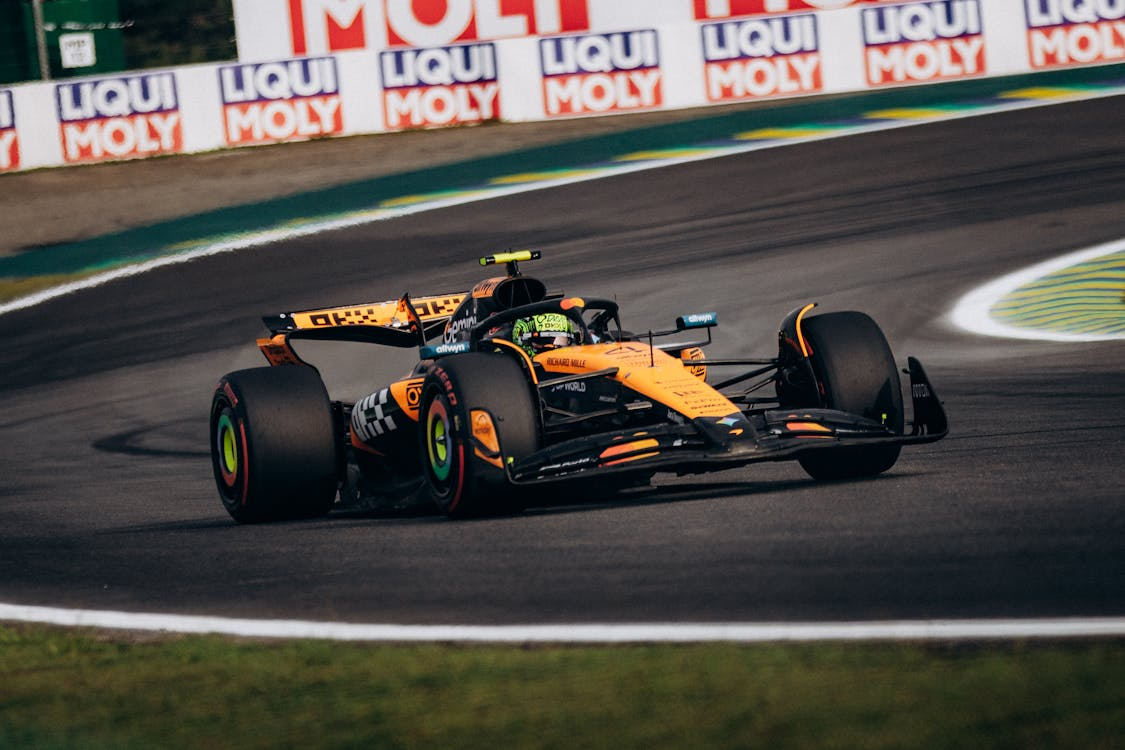
Formula 1 is the top tier of open-wheel, single-seater motorsport, governed by the FIA. Ten constructor teams and 20 drivers compete across up to 24 grands prix each season, racing on circuits worldwide.
The F1 Sprint is a 100-kilometer race - roughly 30 minutes of flat-out driving with no mandatory pit stops. Six Sprint weekends appear on the 2025-2026 calendar, with points awarded to the top eight finishers (8 for the winner). First run at Silverstone in 2021, the format has been refined each season and now stands entirely independent from Sunday's Grand Prix grid.
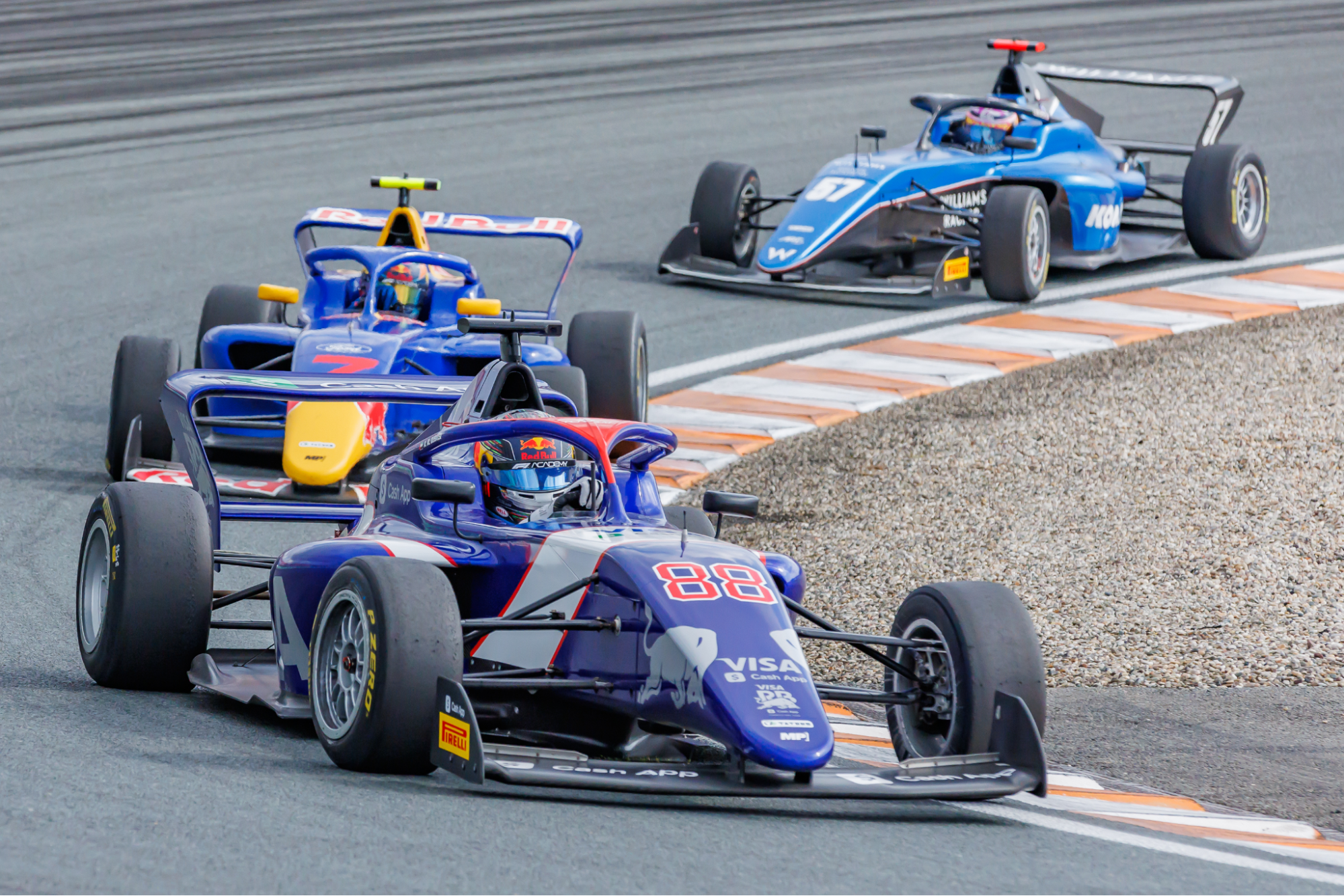
F1 Academy is an FIA-certified, single-seater racing series launched in 2023 to develop female talent in motorsport. The series runs alongside Formula 1 weekends, with five teams fielding three drivers each.
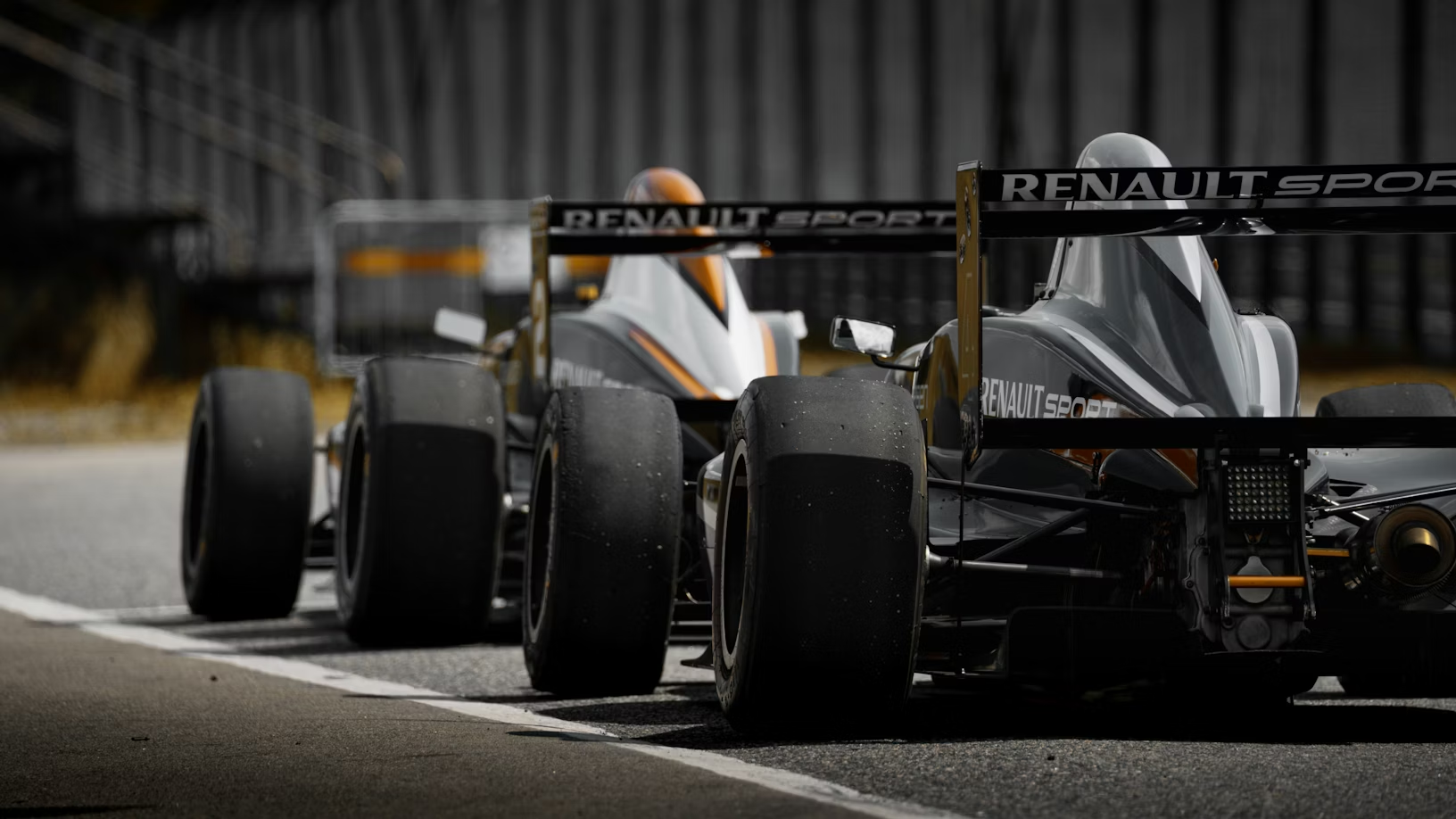
Renault's Formula 1 entry didn't disappear - it rebranded as Alpine F1 Team ahead of 2021. The Enstone factory kept building the cars and Renault's Viry-Chatillon unit kept building the engines; only the badge changed. Group CEO Luca De Meo drove the decision, using F1 to put the Alpine road-car brand in front of a global audience.
Since 2014, Formula 1 cars have used 1.6-litre turbocharged V6 hybrid power units, combining a petrol engine with two electric recovery systems — MGU-K (kinetic) and MGU-H (heat). The result is a unit producing well over 1,000 horsepower at thermal efficiencies exceeding 50%, among the most advanced in any form of racing.
McLaren uses Mercedes-AMG power units in Formula 1. The Woking team has run Mercedes engines since 2021, with that partnership extended through 2030 to cover both the current and incoming 2026 power unit regulations.