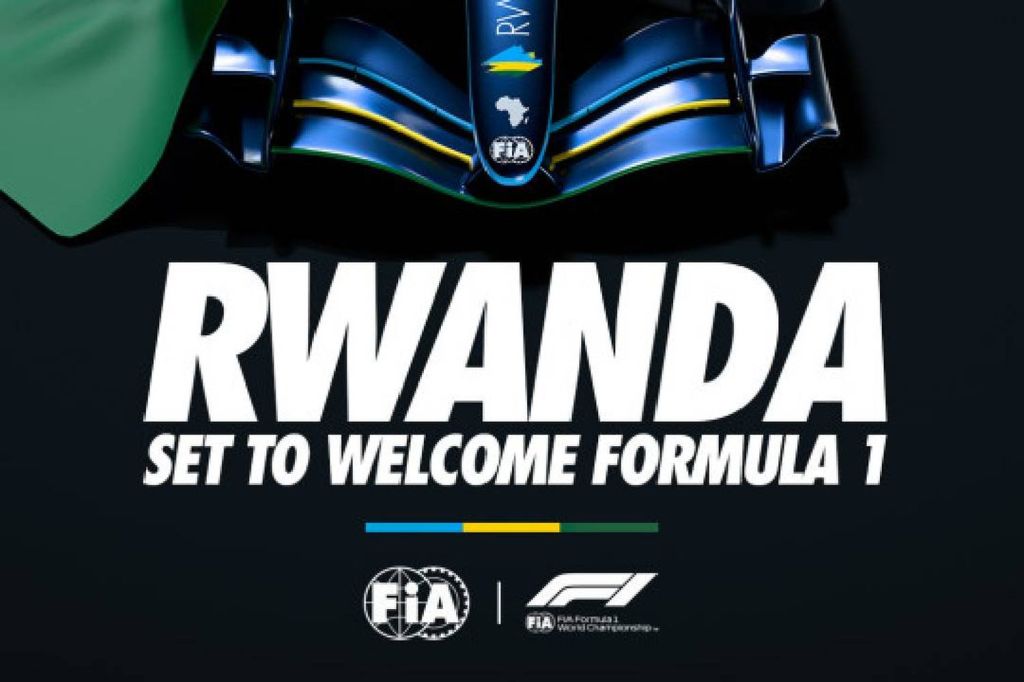
Formula 1 has signed a 10-year deal with Rwanda's government for an African Grand Prix, its first race in Africa since 1993, on a new track near Kigali.
Formula 1 could return to Africa for the first time since 1993, with reports pointing to a new circuit near Kigali, Rwanda. F1 has not confirmed it yet.
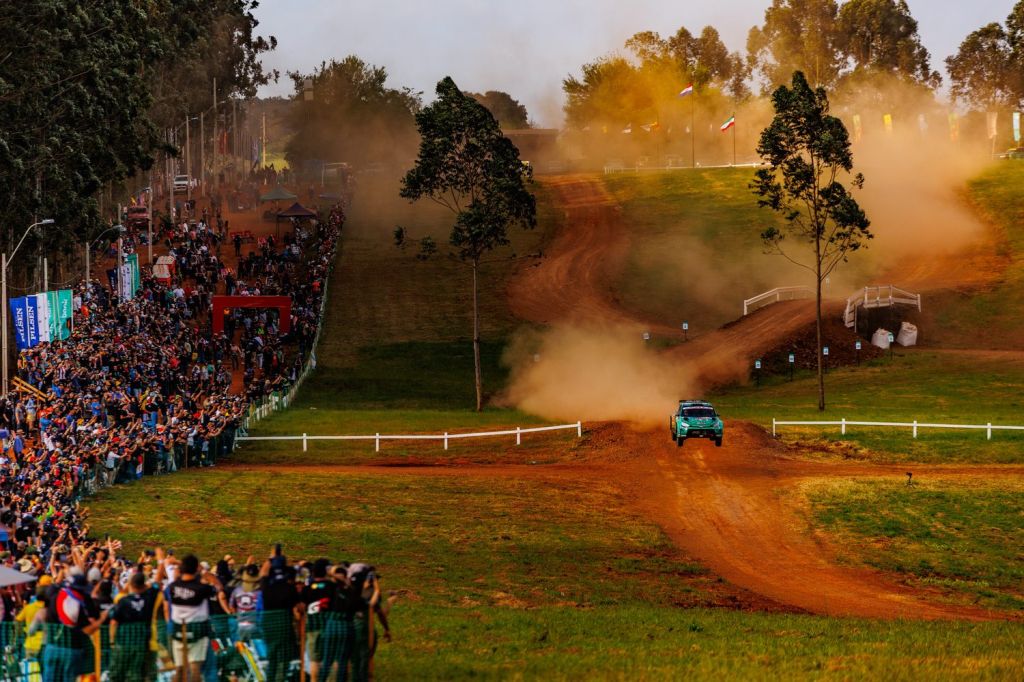
The 2027 WRC season will have 15 rounds, the most since 2008. The US and Scotland join, and the Italian round moves from Sardinian gravel to tarmac in Rome.
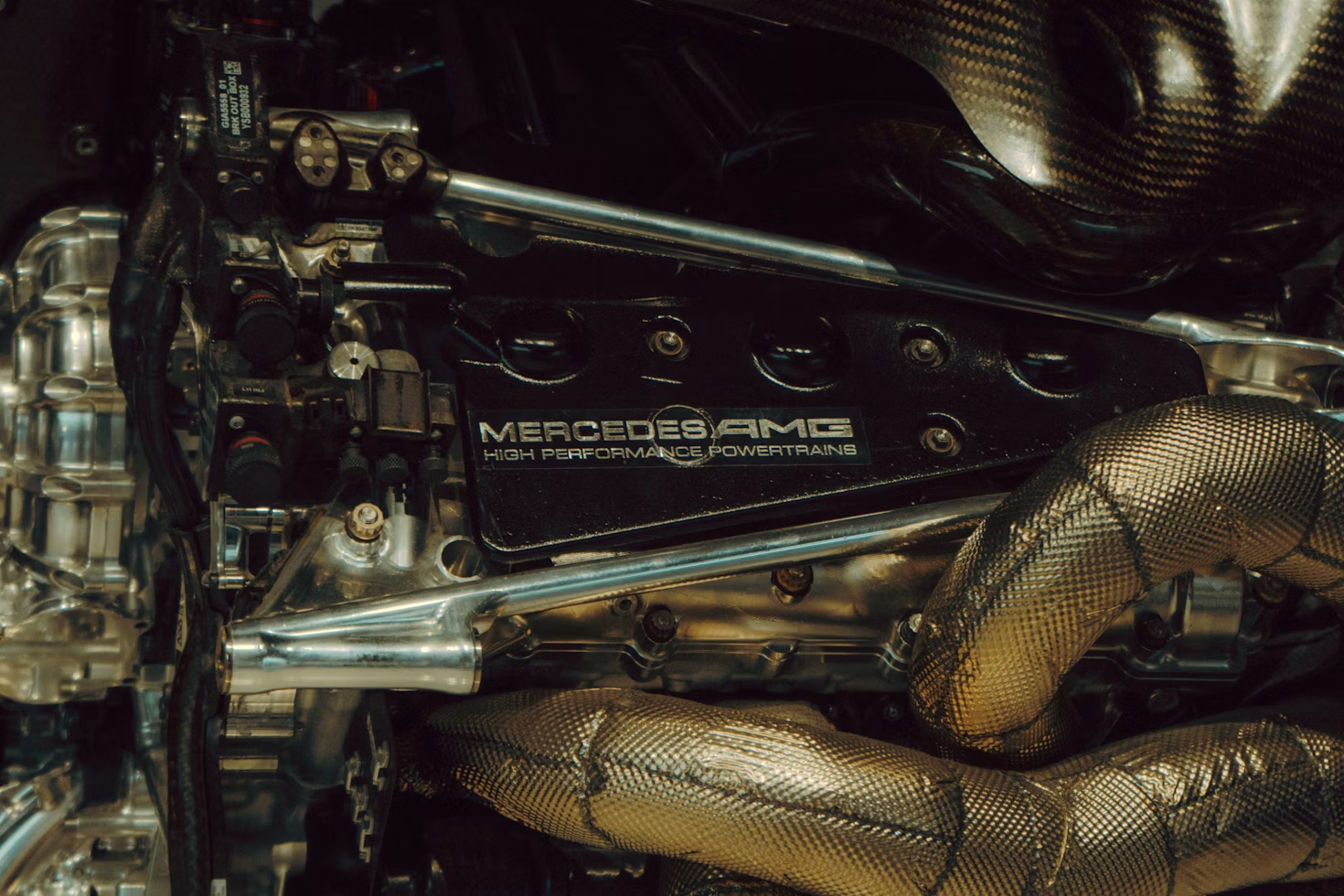
The FIA and manufacturers agree on a 3.0-liter V8 with a smaller turbo and a 100 kW electric motor. Street circuit noise limits helped rule out a non-turbo V8.
Formula 1's provisional 2027 calendar runs 24 grands prix across 22 countries, expands the sprint program from six to ten rounds, and restores Portugal and Turkey to the schedule.
FIA plans to reinvest WRC and ERC commercial rights revenue into rallying at every level, with the FIA Growth Fund leading the charge and FIA Rally Star potentially returning.
Project Rally One covered roughly 300 km in three days of testing in Germany. The new constructor is targeting a two-car debut at the 2027 Monte Carlo Rally.
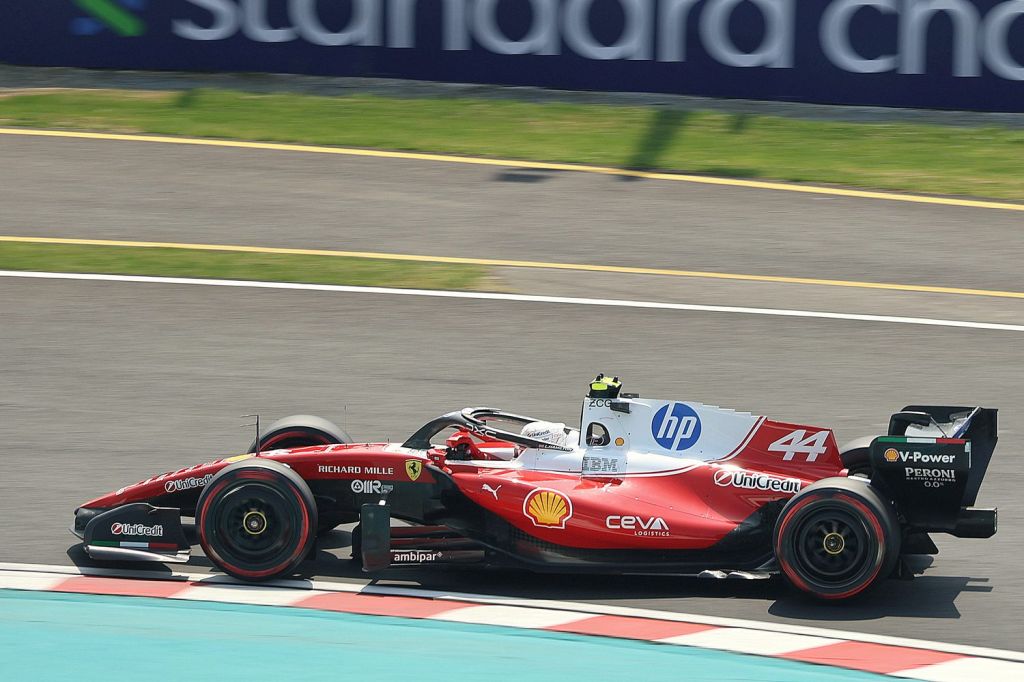
Hamilton and Leclerc will race at Monza in special Schumacher-tribute suits as Ferrari marks 30 years since Michael's debut season in red and 20 years since his last Monza win with the team.
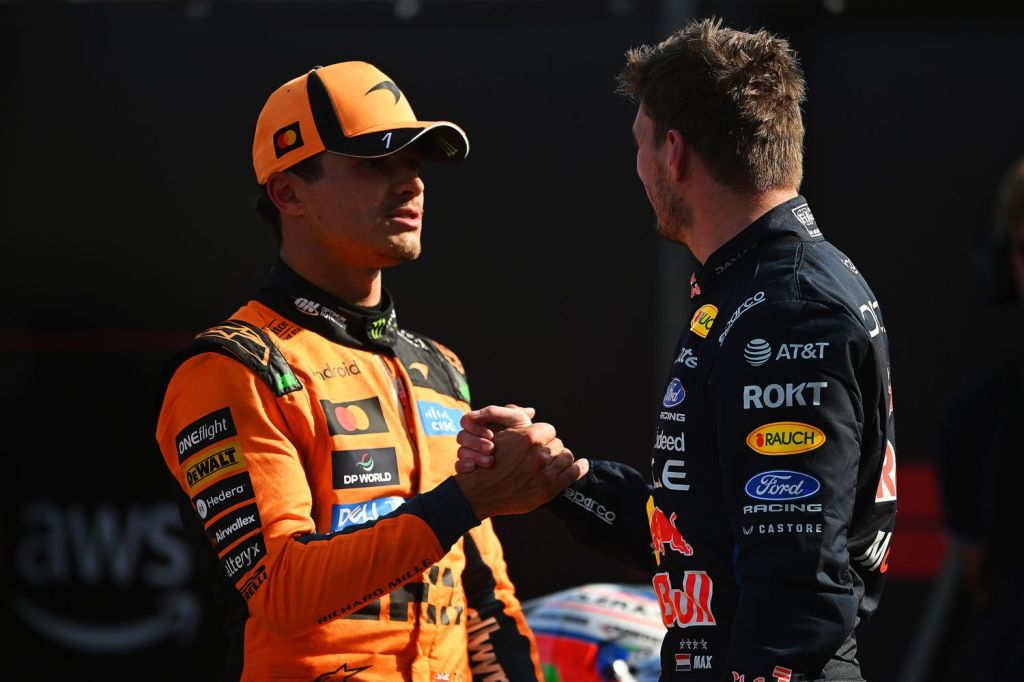
Lando Norris has extended with McLaren through 2030 and says he's driving better now than when he won the title. That puts Oscar Piastri in a very uncomfortable spot.
Cosmobilis and Park Square Capital have acquired WRC Promoter GmbH in the biggest deal in rally history. New CEO Eric Boullier has laid out his vision: more manufacturers, a WRC Arena, and a stronger media push - without losing the sport's rally DNA.
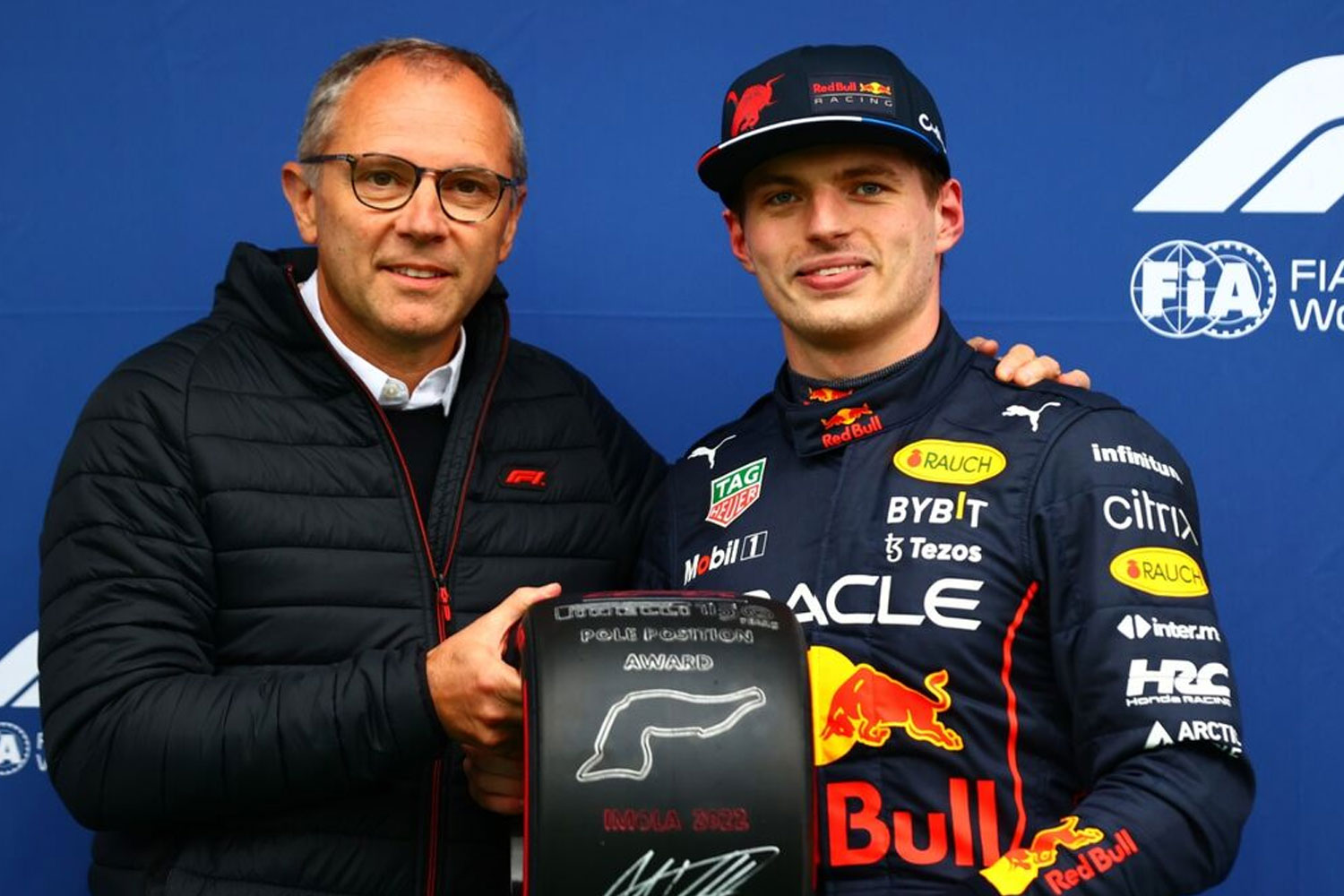
Stefano Domenicali pushes back on censorship claims, citing 60,000-fan data showing race ratings up to 66% in 2026. He wants constructive criticism - not silence.
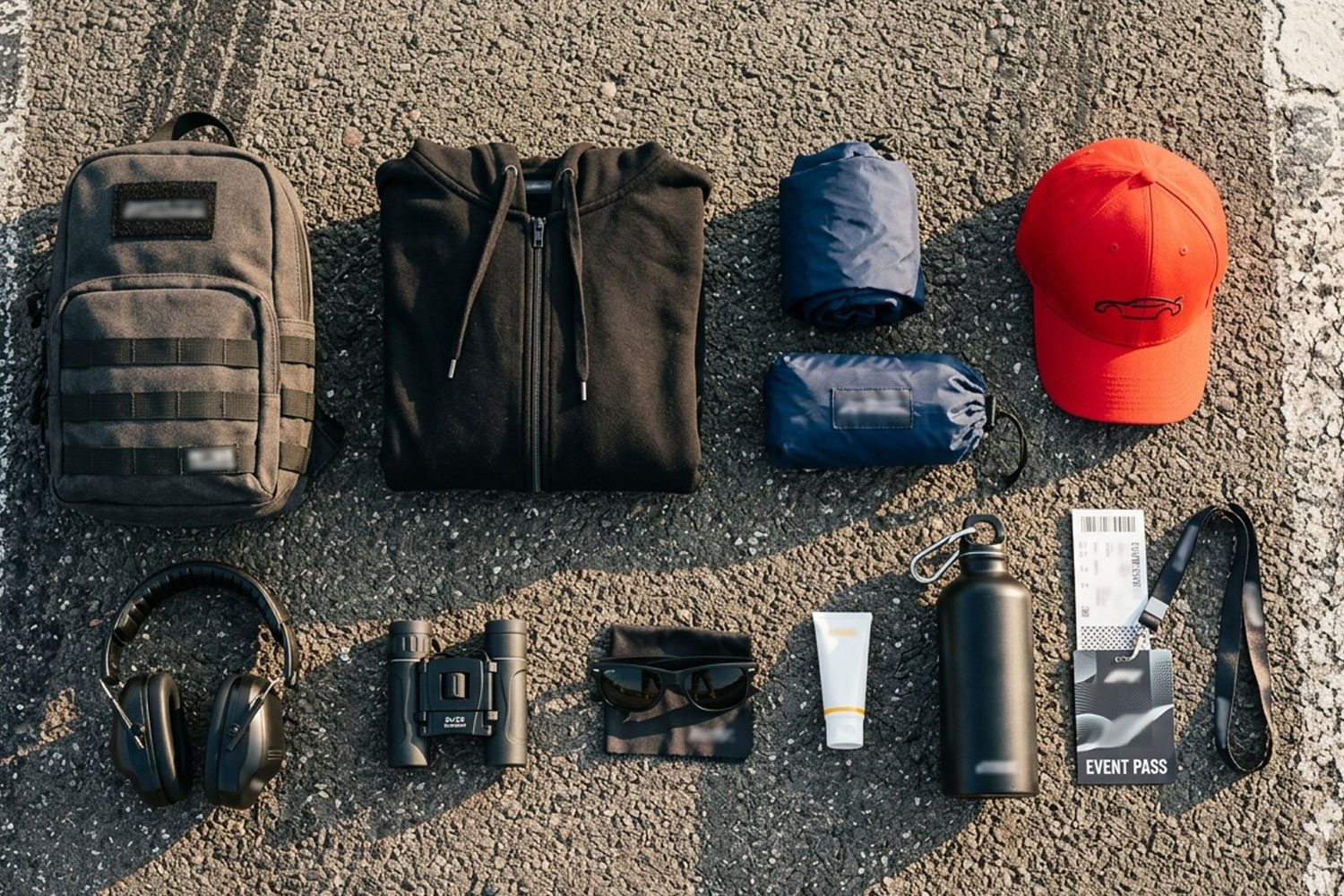
Your complete F1 race-day packing list: ear protection, weather-ready layers, tickets, and the right backpack. Tips for first-timers and veterans alike.
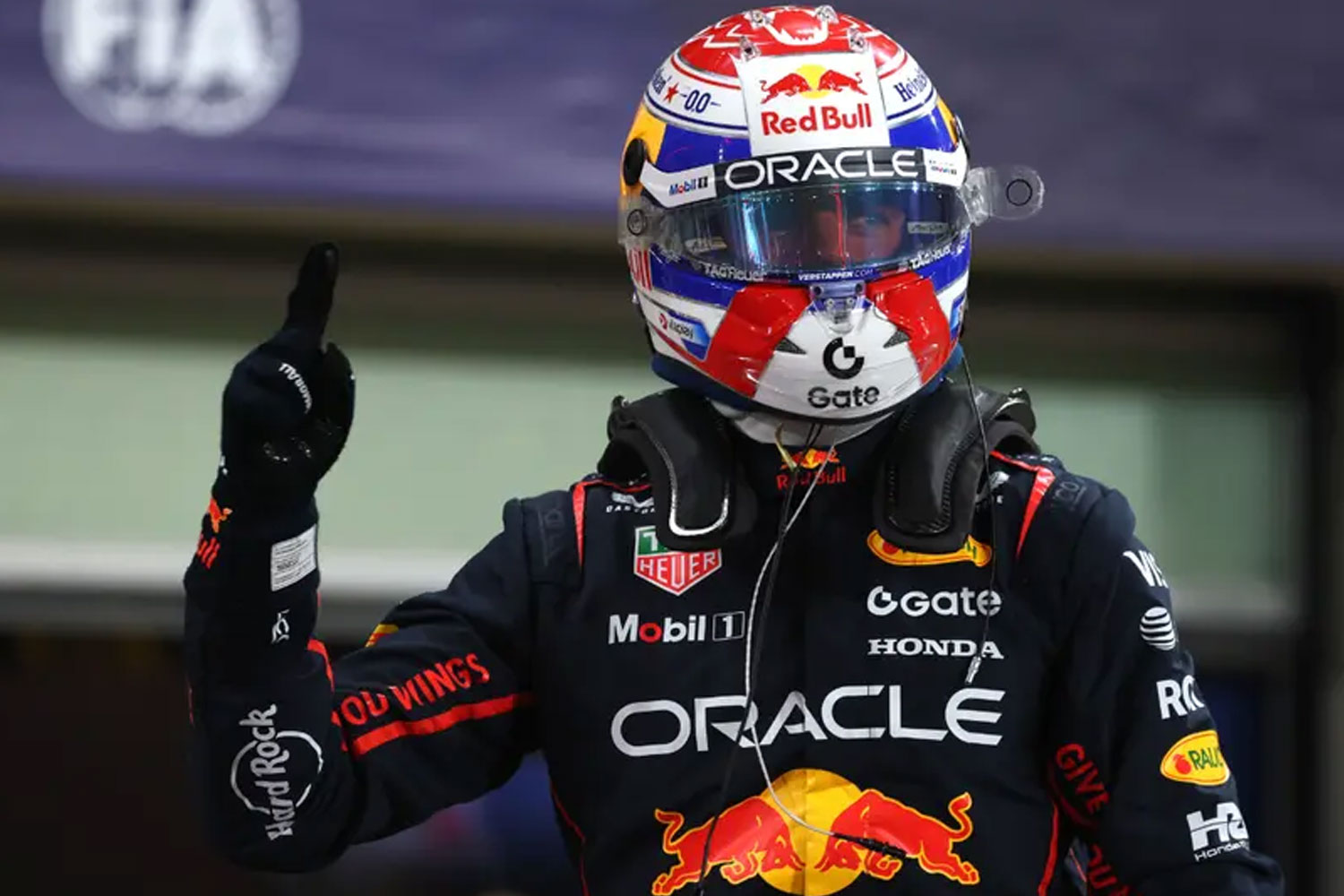
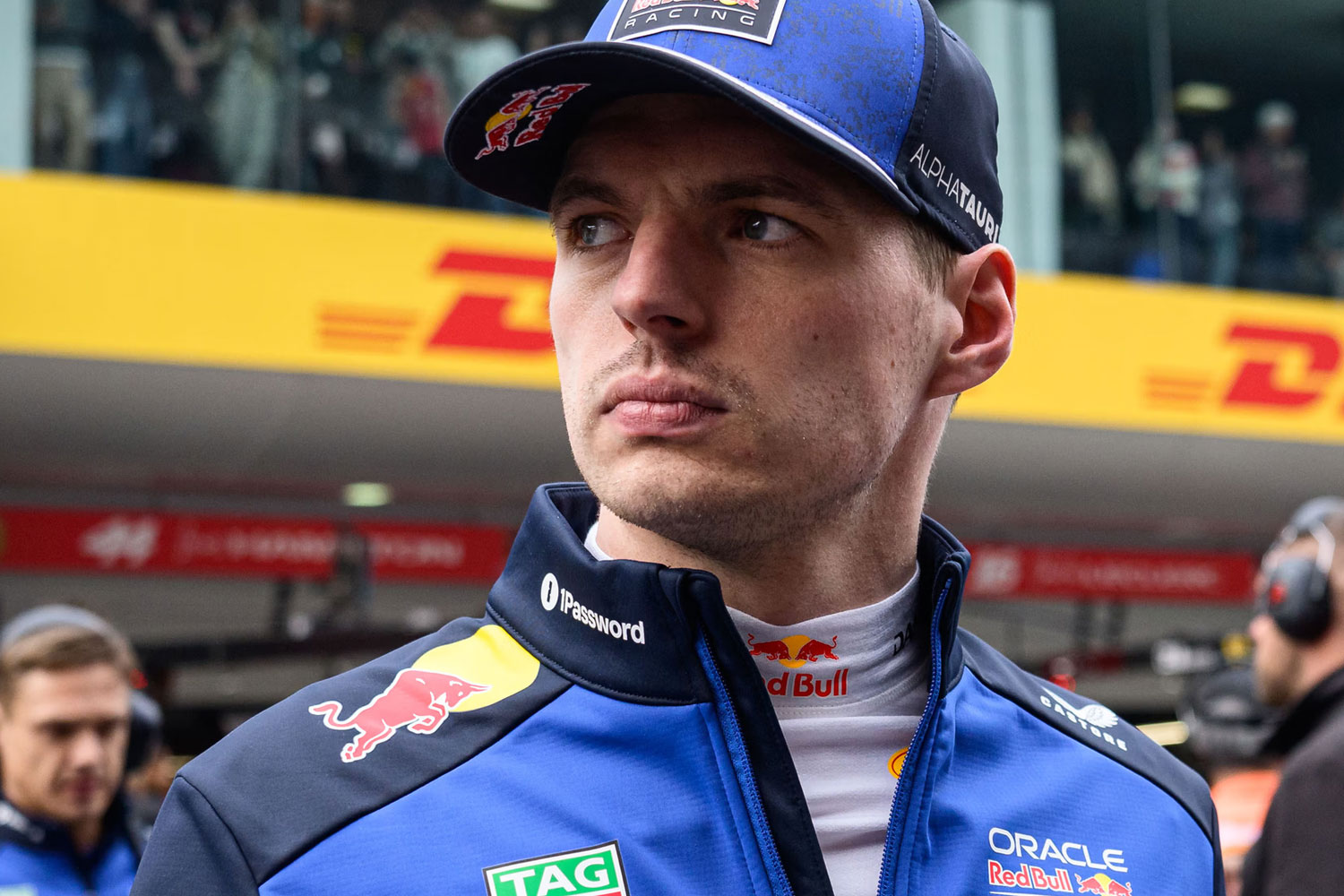
Max Verstappen has activated his exit clause for the third straight year, leaving Red Bull waiting while a transfer, a sabbatical, and early retirement all sit on the table.
A software glitch sent the wrong message to teams at Silverstone, finishing the race under the safety car. Leclerc won, Russell gained, and FIA has questions to answer.
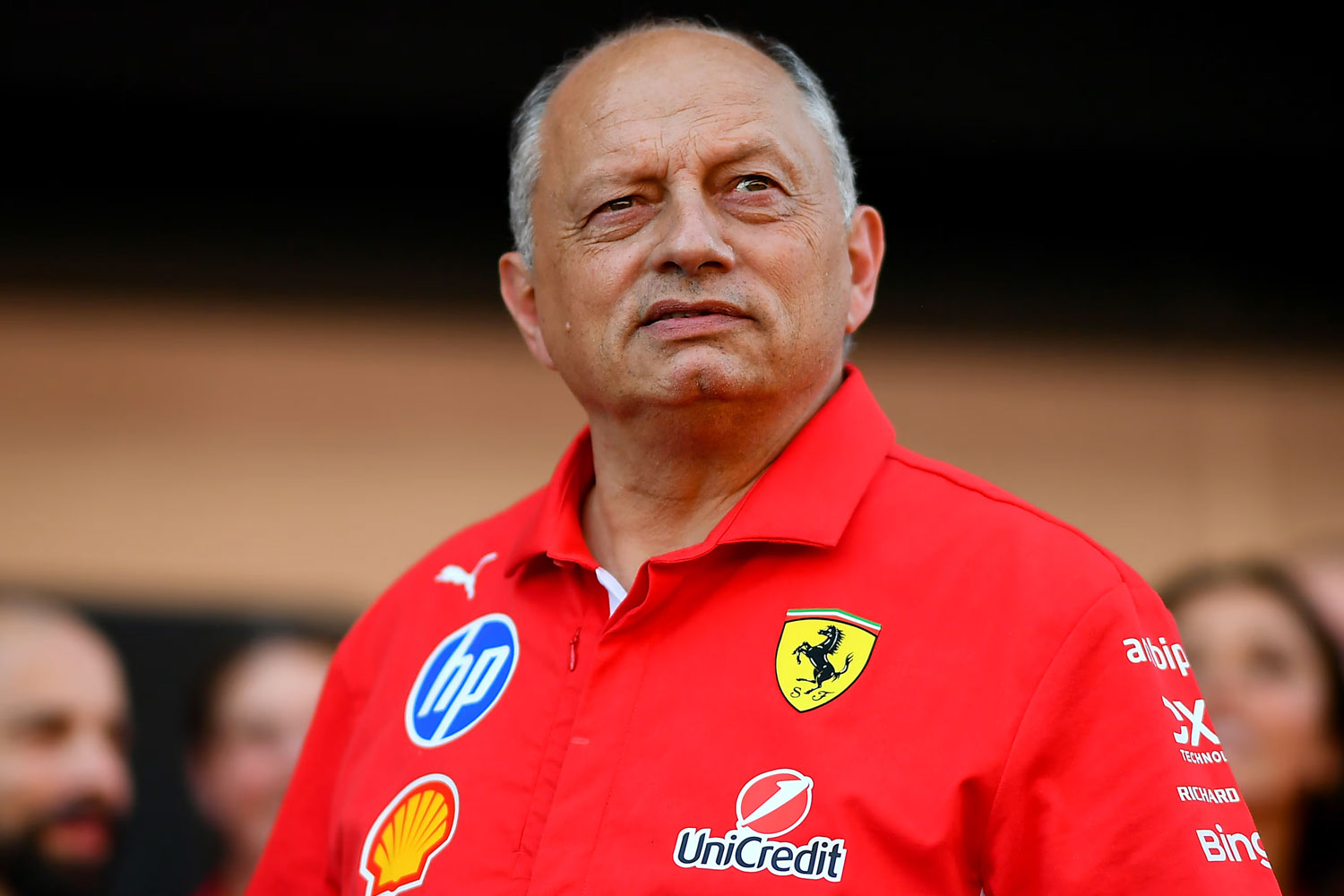
Fred Vasseur fired back at Toto Wolff after the Mercedes boss implied Ferrari's 2026 development pace raises cost cap questions. Here's what was said at Silverstone.
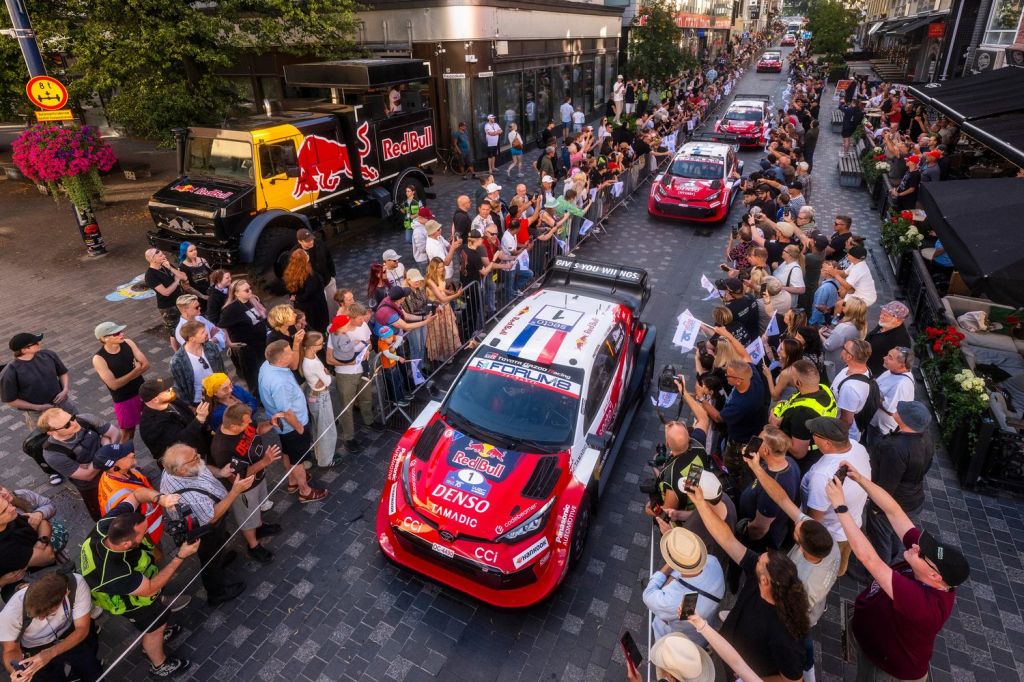
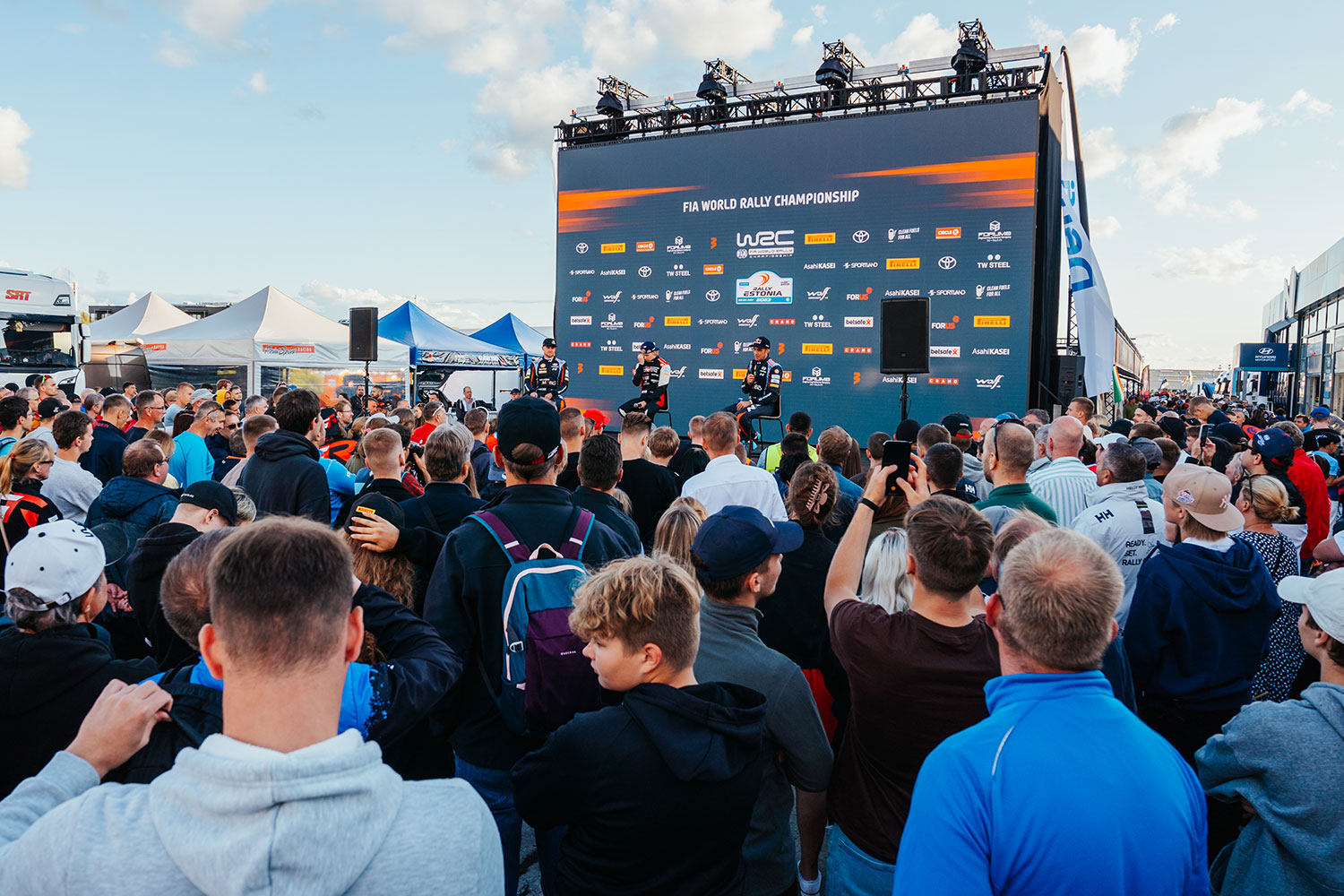
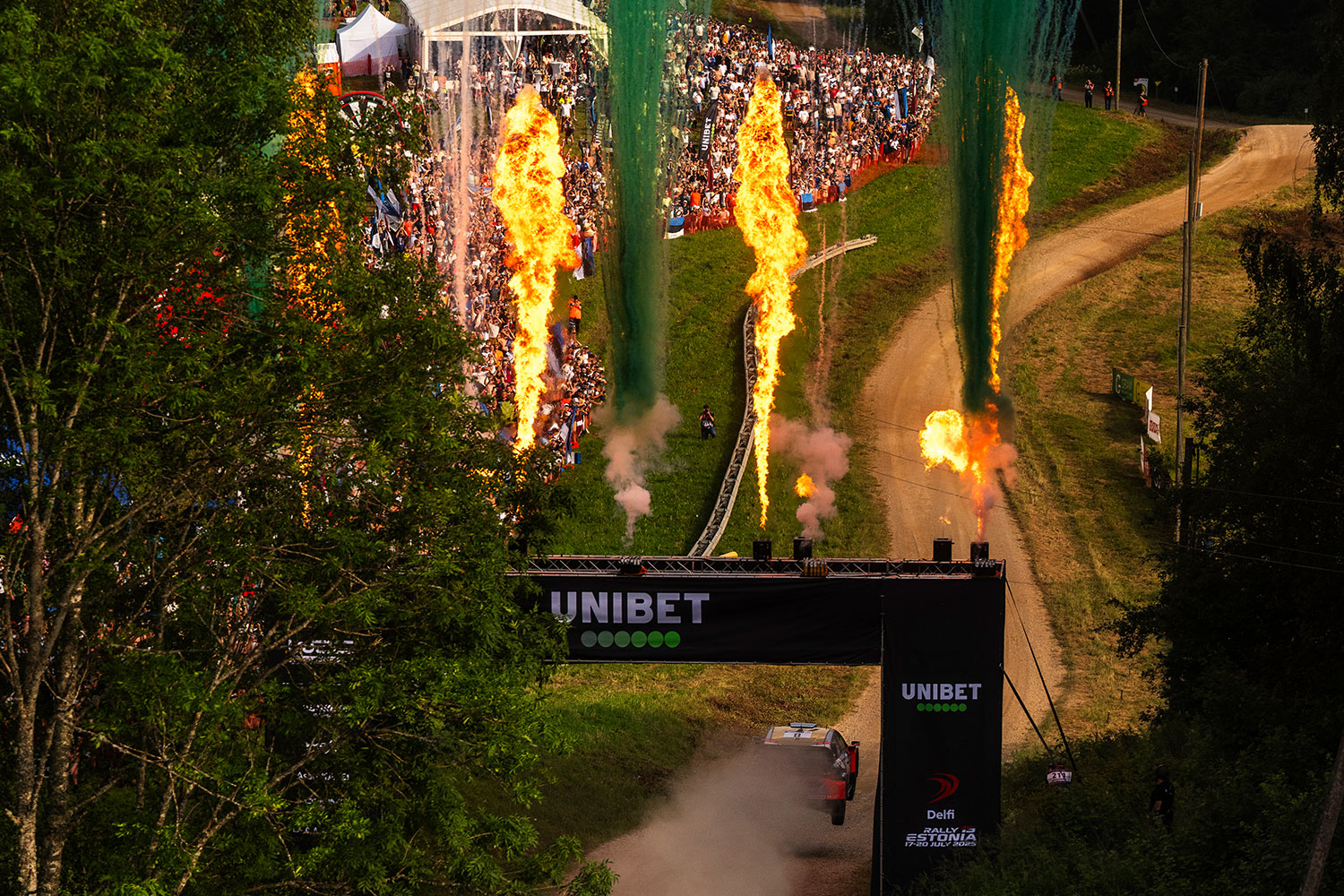
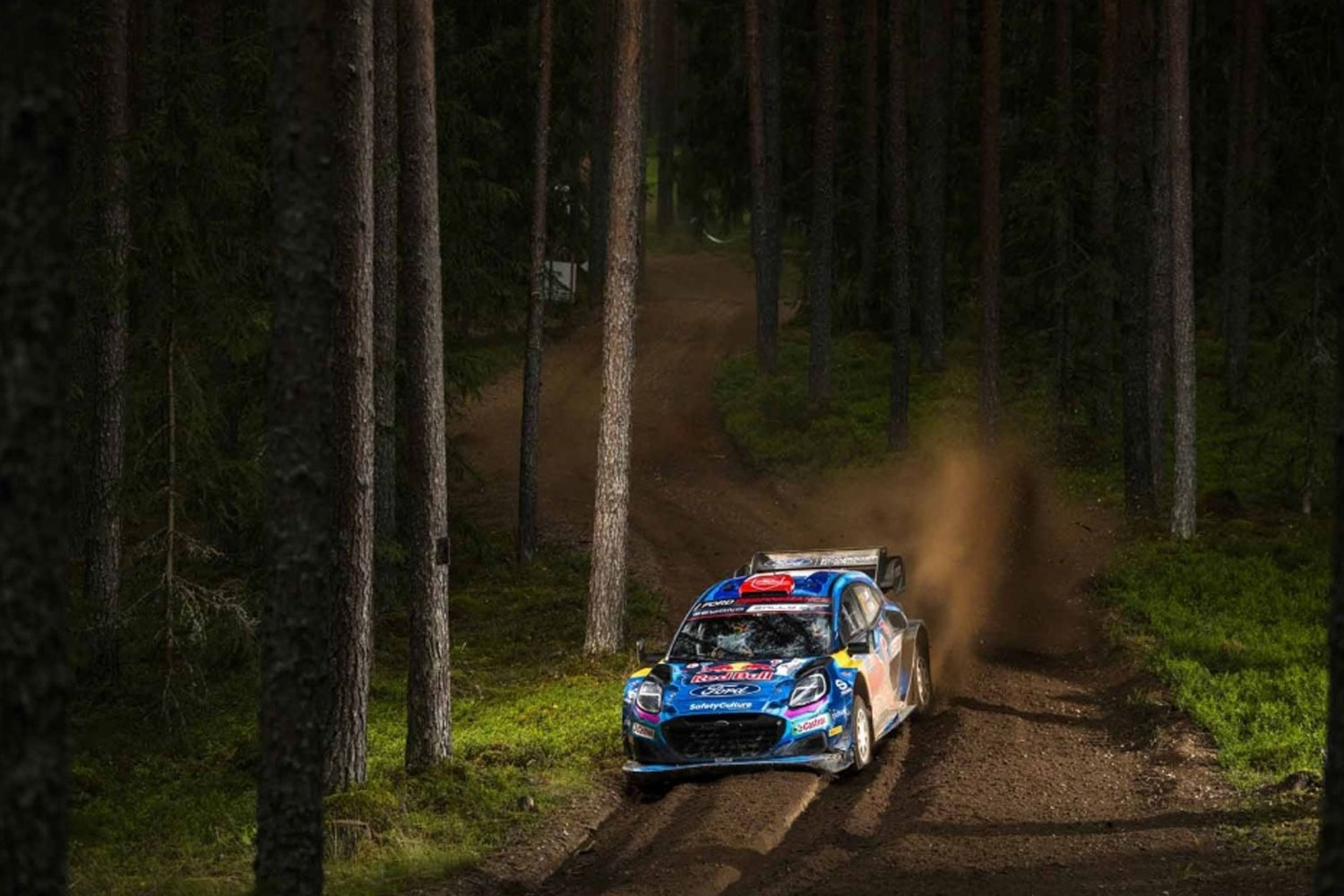
WRC Delfi Rally Estonia 2026 runs July 16-19 near Tartu - round 9 of the season, 53 entries, and the final year of this Rally1 generation. Evans vs. Ogier after the Acropolis.
Zak Brown confirmed it: if Norris or Piastri "slipped on a banana peel," Max Verstappen would be first on the call list. Why that single quote already shifts F1's power balance.
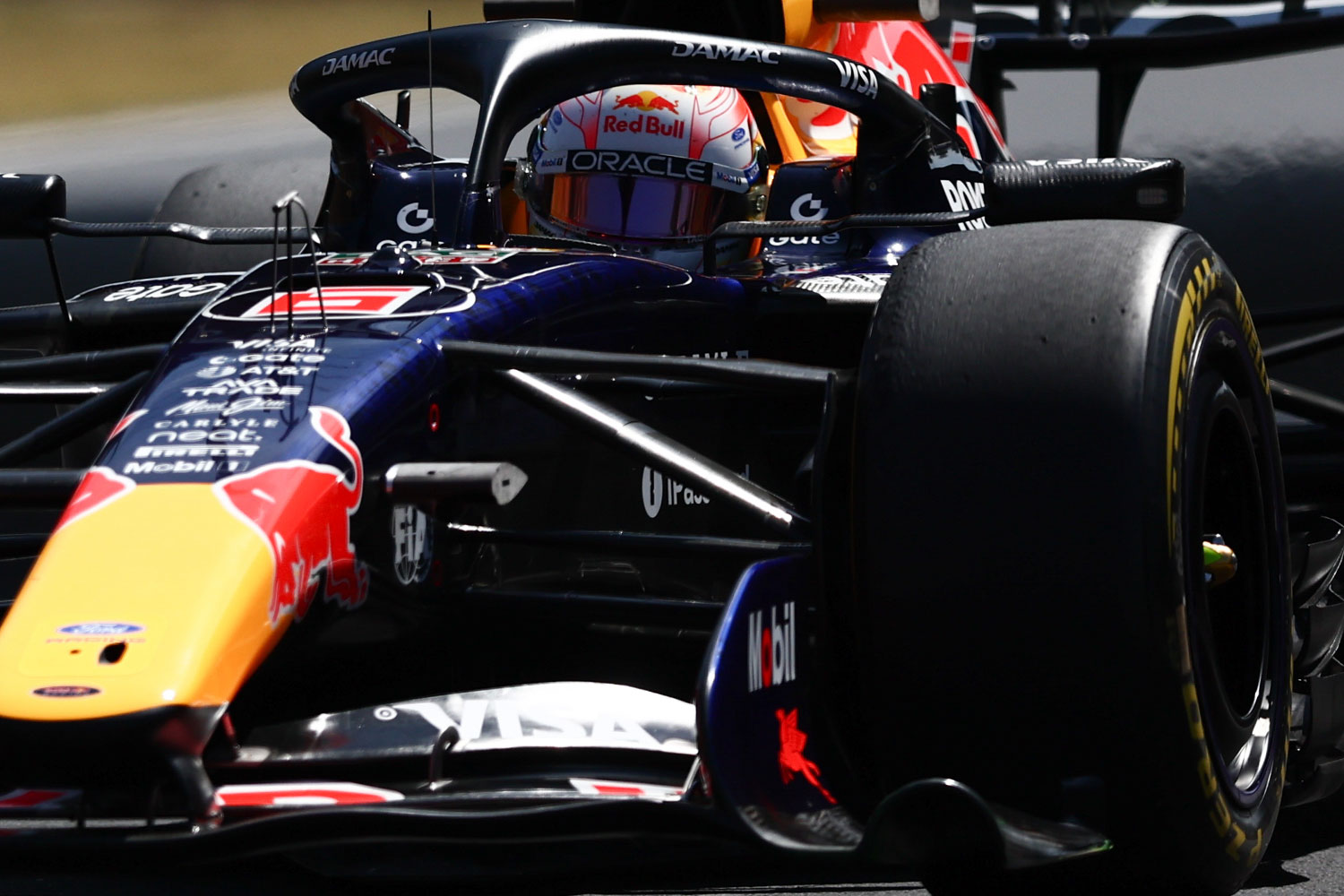
Red Bull brings a second upgrade package to Spielberg, and Verstappen admits the hardest step is still ahead. Here's why this weekend could shape his contract decision.
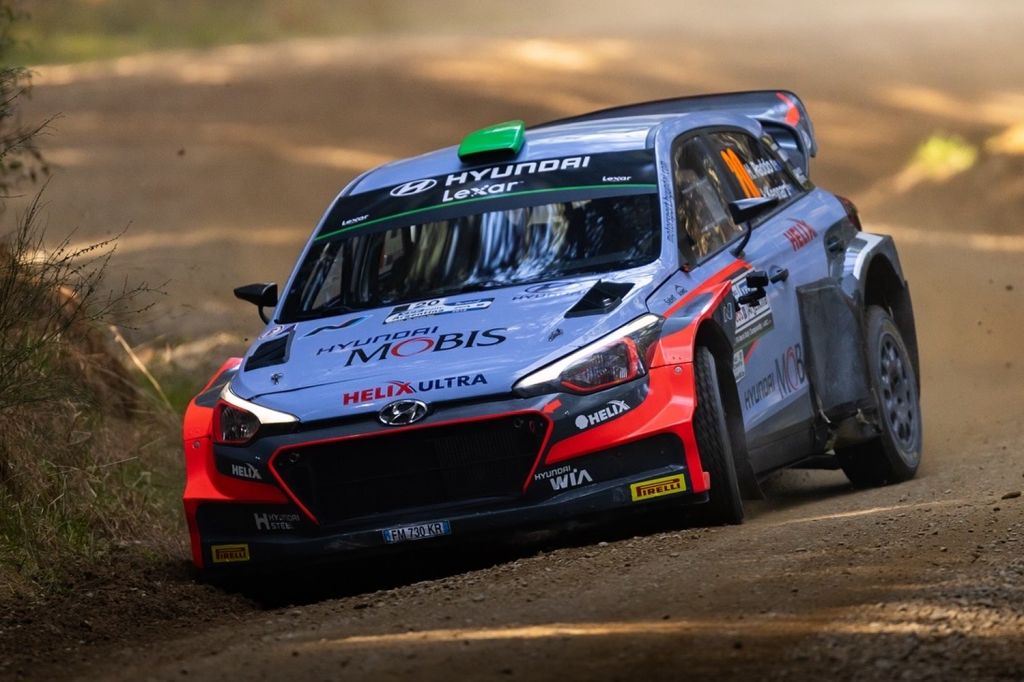
The FIA has approved the Rally2 WRC Kit at 7,500 euros, letting existing Rally2 cars compete at WRC27 pace in 2027 and 2028. Here's what it means for the championship.
The FIA has completed a site visit to evaluate whether Rally US meets WRC standards. A return to America for the first time since 1988 could land on the 2027 calendar.
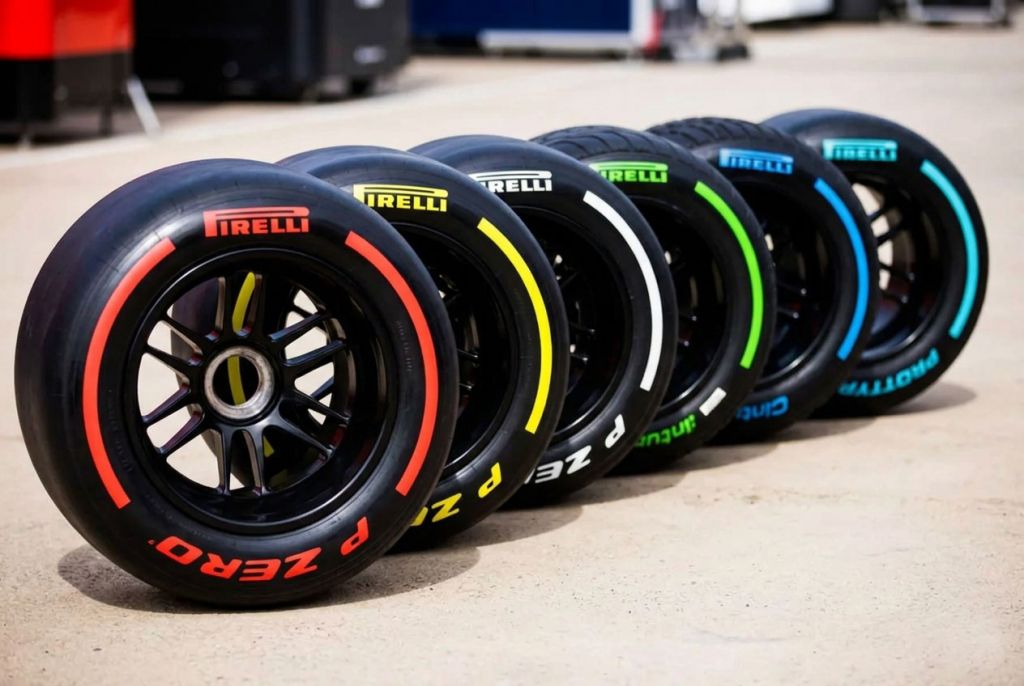
The FIA triggered its contract option and Pirelli stays F1 tire supplier through the end of 2028. The deal covers F2, F3 and F1 Academy, with the next tender set for 2029.
F1 V8 engines are set to return in 2030-2031, confirmed at the Miami GP. Ben Sulayem explains the vote mechanics and why minimal electrification is coming back.
F1 2026 brought a 50/50 hybrid split, but drivers call it 'Formula E on steroids'. Viewership fell 43% in France while CEO Domenicali insists there is no problem.
Albon's track limits breach at Miami SQ1 2026 wasn't caught until SQ2 was already running — Lawson lost the session before the FIA acted. The 2026 officiating reforms don't close this detection-and-timing gap.
The 2025 F1 season drew 6.7 million fans across 24 race weekends — the highest total in the championship's 75-year history. Nineteen of 24 events sold out; Silverstone led all venues at 500,000. But the way F1 counts attendance matters as much as the headline figure.
Istanbul Park is back on the F1 calendar - and this time it's for real. A five-year contract signed in Istanbul, Turkey's president in the room, and a Tsunoda demo run on public streets. The Turkish Grand Prix 2027 is official - and it's built to last.
Three rounds into 2026, the FIA rewrote the rulebook. Super clipping is out, dual-zone MGU-K is in, and Miami gets a new start procedure. Honda is under pressure, McLaren arrives as championship leader, and Verstappen still wants more.
After 13 years off the F1 grid, South Korea is pushing one of the most ambitious calendar comebacks in recent memory. Incheon has green-lit plans for a 4.96-kilometer street circuit through Songdo - 15 corners, speeds up to 337 km/h, and Hermann Tilke's fingerprints on the layout. Here's why Korean GP 2028 could finally stick where Yeongam didn't, and what still has to happen before lights out near Seoul.
What are the new 2026 F1 Sprint weekend rules? The updated format introduces flexible parc fermé rules, letting teams tweak car setups between Saturday's short race and Sunday's Grand Prix qualifying. This means more aggressive driving, deeper strategy, and higher stakes for the six chosen race weekends.
The 2026 F1 rules scrapped DRS and replaced it with Active Aerodynamics - a system where every driver, leading or chasing, can reduce drag on the straights. Combined with a 350kW electric motor and new Overtake Mode, every pass in 2026 is a question of energy management as much as raw pace.
The 2026 F1 power units run on a near 50/50 split between a 1.6-litre V6 turbo and a massively upgraded 350 kW MGU-K - three times the electric output of the previous era. The MGU-H is removed, all cars run on 100% advanced sustainable fuel, and combined peak output tops 700 kW. Audi, Honda, and Red Bull Powertrains/Ford join Ferrari and Mercedes under the new regulations.
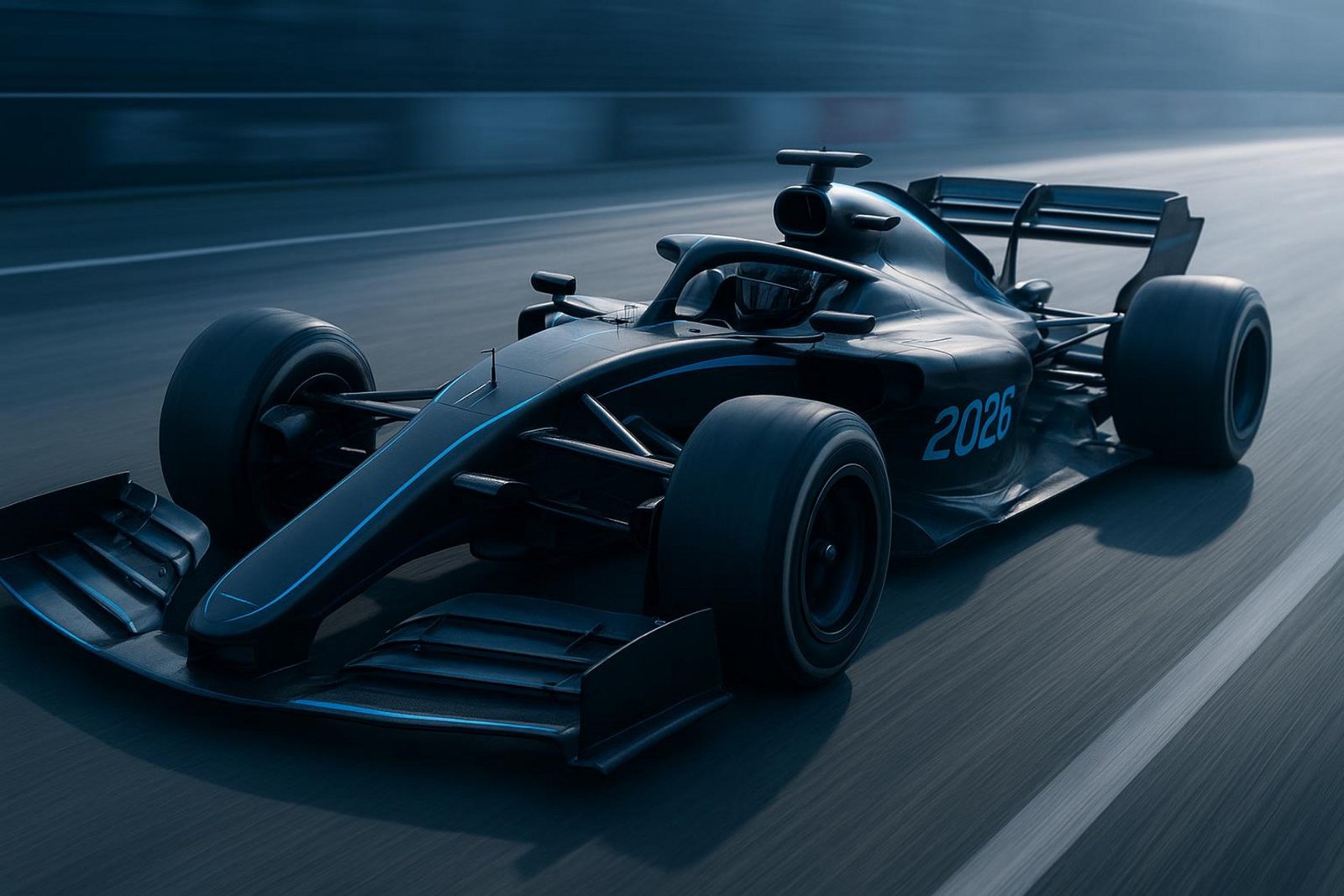
The 2026 F1 regulations cut car size and weight, introduce active aerodynamics that open automatically at speed, and mandate a 50/50 split between combustion and electrical power. Sustainable fuel becomes compulsory, and all manufacturers must supply identical battery hardware.
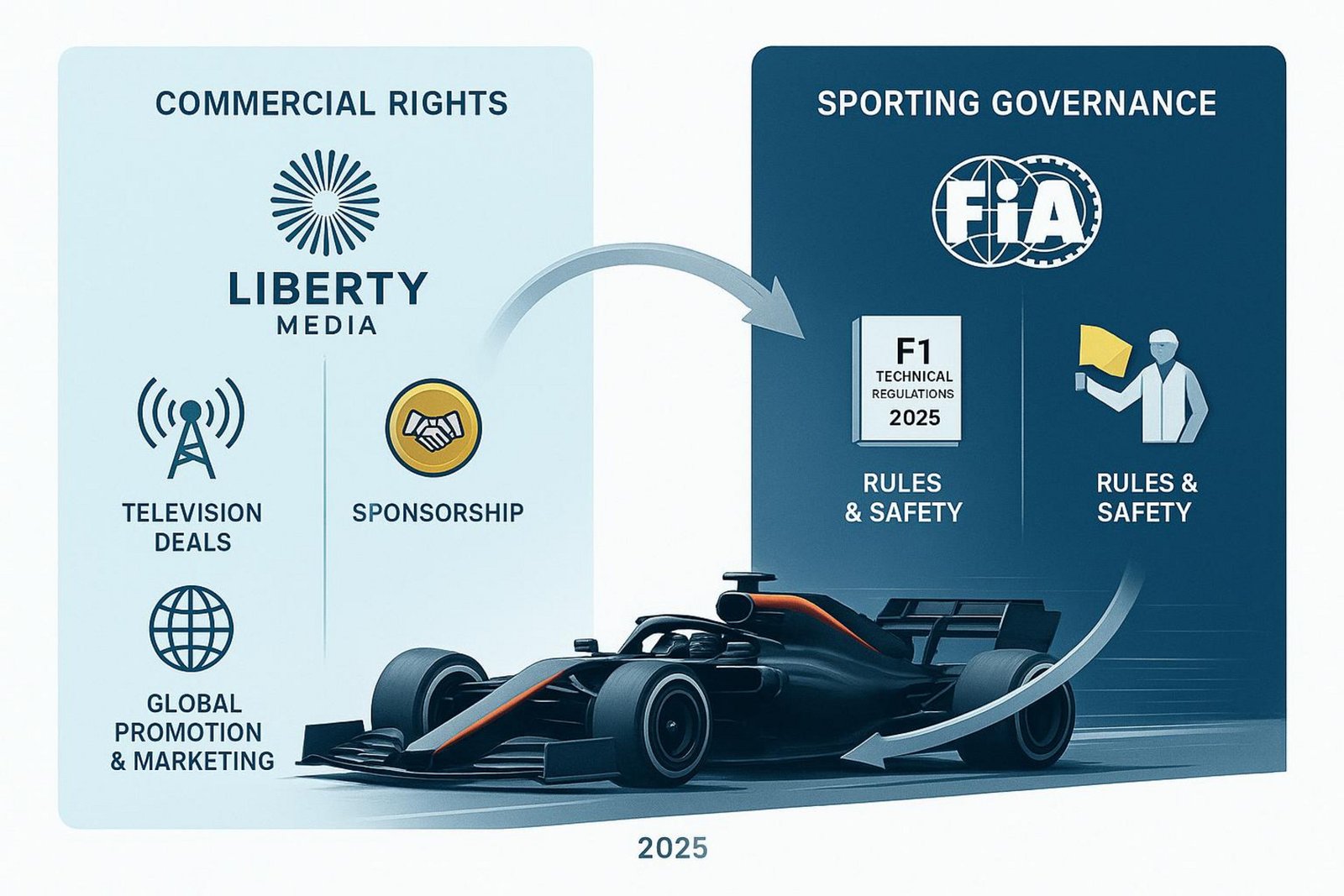
Formula 1's commercial rights are owned by Liberty Media Corporation, an American media company that bought them in 2017 for approximately $4.4 billion. The FIA remains the sport's independent governing body and sets the technical and sporting regulations, while Liberty Media operates F1 through its Formula One Group subsidiary.
The F1 Sprint is a 100-kilometer race - roughly 30 minutes of flat-out driving with no mandatory pit stops. Six Sprint weekends appear on the 2025-2026 calendar, with points awarded to the top eight finishers (8 for the winner). First run at Silverstone in 2021, the format has been refined each season and now stands entirely independent from Sunday's Grand Prix grid.
A Formula 1 race is decided by distance, not a stopwatch. Every Grand Prix covers at least 305 km, with the lap count varying by circuit - and strict time caps ensuring no race runs on indefinitely.