
2026 Miami GP Rule Changes: FIA's Big Reset Before Race Day
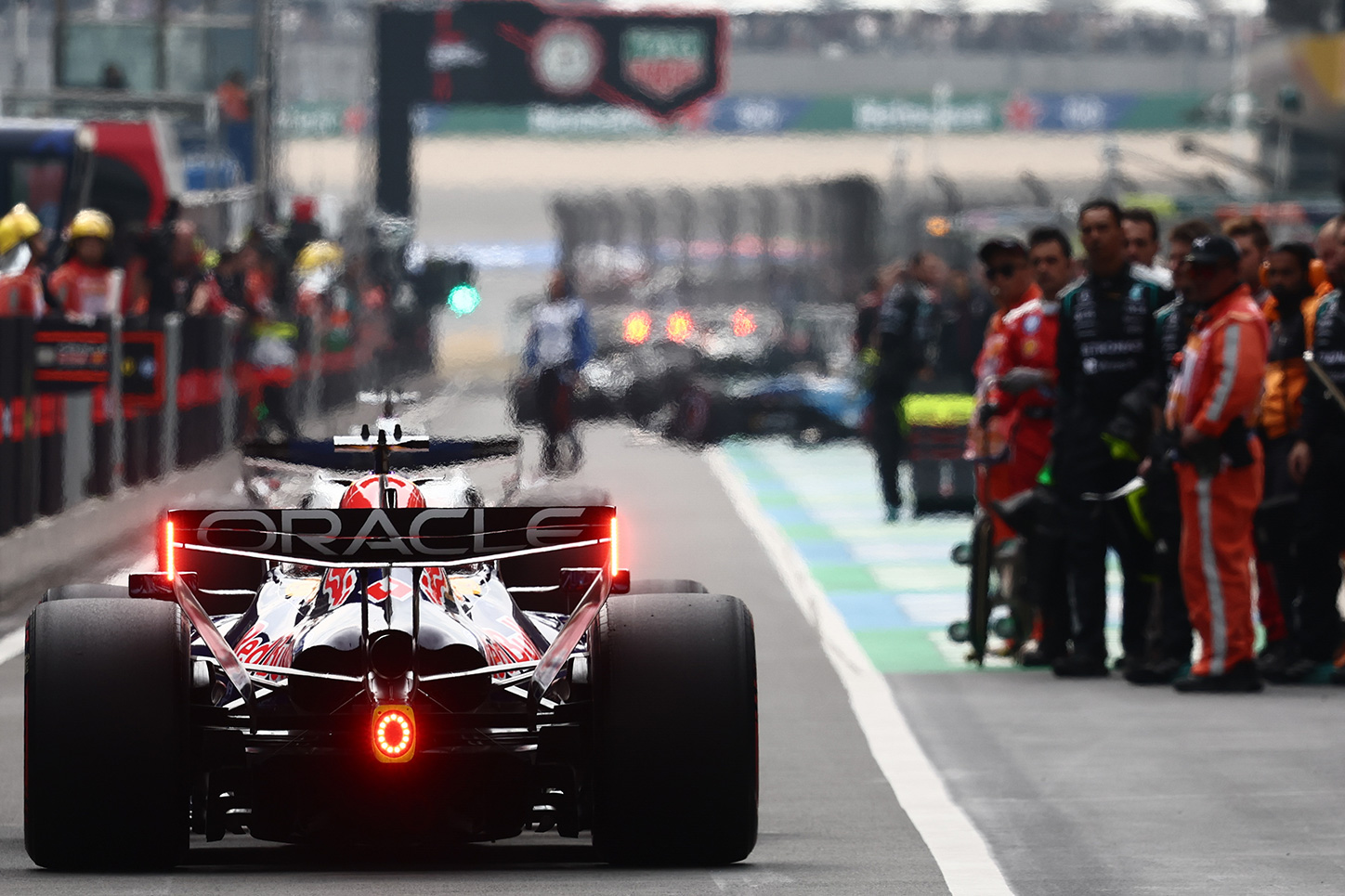
At Suzuka qualifying, drivers kept lifting off mid-lap to feed the battery. The whole sport was watching - and the FIA finally did something about it. The 2026 Miami GP rule changes are the first major correction of the new era, signed off unanimously in Paris last week. Toto Wolff asked for "a scalpel, not a baseball bat" - and that scalpel could move faster around Hard Rock than anyone expected.
After Three Races, the FIA Pulled the Trigger
Three rounds into the 2026 season — Australia, China, Japan — and two things became obvious at the same time. The racing is good. Better than last year, in fact. The fight is back. But qualifying turned into a strange theater where drivers on flying laps would suddenly back off the throttle to "feed" the battery. The internet christened it super clipping, and at Suzuka it was eating up to ten seconds of lap time per session.
On April 20, 2026, the FIA, Liberty Media, every team principal, and every engine manufacturer sat down in Paris. Two hours later, they walked out with a deal. No dissent. In Formula 1, that kind of unanimity only happens when changes are either cosmetic or deeply pre-negotiated. These are somewhere in between — but their impact on the Miami weekend is going to be real.
2026 Miami GP Rule Changes: Goodbye, Super Clipping
The headline of the 2026 Miami GP rule changes lands on one number: maximum energy recovery per qualifying lap drops from 8 MJ to 7 MJ. To balance that, recovery power during super clipping jumps from 250 kW to 350 kW. Translation for the rest of us: drivers will need to charge less, and when they do charge, they'll do it faster. The FIA's stated goal is to shrink super clipping to two-to-four seconds per lap, max. Less of the awkward "lift, wait, throttle" dance — more straight-up qualifying.
There's a tradeoff. One megajoule less of available electric energy means about four to five seconds of lap that won't have full hybrid muscle. Top speeds on the straights will dip. So will lap times. But the drama returns to qualifying — and the drivers themselves were the loudest voices asking for it. Max Verstappen, the loudest critic of the new regulations all year, still says the real reset has to wait until 2027. Of course he does.
Two Power Zones, One Boost Button — How the Race Changes
For Sundays, the FIA went lighter. The Boost function — basically the "overtake button" — gets capped at +150 kW. The MGU-K, meanwhile, splits into two zones: the full 350 kW in "key acceleration zones" (read: straights and DRS sections), 250 kW everywhere else. The exact zone boundaries get drawn track-by-track by the FIA.
The point? Kill the unnatural delta between cars that built up at the end of March and led to Oliver Bearman's massive shunt in Japan. Overtaking should still be possible, but you won't see drivers diving into a corner with an 80 km/h speed advantage. It's a clear nod to safety — and a headache for engineers, who now have to map electric power differently for every venue.
Worth flagging: Ferrari has been the strongest team off the line through the first three rounds. Nothing in this package takes that away. It's the teams that have been bobbling at lights-out who'll feel the squeeze — and a sharper Leclerc or Hamilton launch in Miami would already be worth the price of admission.
The New Start Procedure Miami Will Test First
Miami is also the debut of one of the most interesting wrinkles in the package: low-power start detection. Sensors clock when a car releases the clutch with too little forward acceleration and automatically fire the MGU-K to lift the car to a safe speed. The driver in the rolling traffic behind gets clear flashing rear and side lights as a warning.
This is the FIA's answer to the nightmare scenario where a car bogs down on the grid — particularly ugly on tight street circuits like Monaco, Baku, or Singapore. After Miami, the rule will get refined, but the direction is set: fewer pile-ups, more consistency. There's also a small reset of the energy counter at the start of the formation lap — minor on paper, but it patches a system inconsistency the teams flagged earlier.
The wet-weather package is smaller but smart: higher blanket temperatures for intermediate tires, ERS limits in low-grip conditions, and cleaner rear-light protocols when visibility tanks. None of it is revolutionary, but anyone who's watched a recent rain-soaked start will tell you these details save weekends.
Honda's Headache, the Verstappen Factor
The biggest question mark hangs over Honda. In preseason testing, their MGU-K had failures above 250 kW recovery. From Miami onward, the entire grid has to recover at 350 kW in the key zones. If the Japanese manufacturer didn't lock that issue down by the March races, the gap to the rest grows. That's bad news for Aston Martin and Racing Bulls.
In the other direction: Mercedes-engined teams and Red Bull Ford could pick up a small edge. With less electric energy on tap during qualifying, the internal combustion engine matters more — and those two power units are reputedly strongest in the "no-battery" portion of the lap. For Verstappen, this might be the first weekend where the new regulations actually start working in his favor. He's still pushing for "bigger changes" — but those, by his own admission, are a 2027 conversation.
The Boost cap could make passing slightly harder, which is the paradox here: they wanted more safety, and they took a little bite out of attacking. The first long straight after Turn 17 in Miami — where Verstappen and Norris fought wheel-to-wheel in 2024 — will tell us in real time whether that fear holds up.
McLaren Rolls Into Miami With a Target on Its Back
The championship leader heads to Florida wearing papaya. McLaren is ahead of the pack after three rounds, and Miami is a circuit where Norris and Piastri have already shown they can win. Piastri has a soft spot for this city — a special Miami GP edition livery in 2025, plus form that hasn't slowed in 2026. The question is whether the +150 kW Boost cap helps him hold the lead, or hurts Norris when he tries to chase from DRS range.
Ferrari rolls in chasing a first win of the season. Mercedes is testing what Andrea Kimi Antonelli looks like on a track he's never raced in F1 before — a Drive to Survive subplot in real time. And the fans — that's us — are about to get a first answer to whether this whole package actually moves the needle. If you're tuning in on the East Coast, FP1 fires up Friday at 12:30 PM ET (9:30 AM PT, 6:30 PM CET) — earlier than your usual Monaco wake-up call.
First Real Test of the FIA's Direction
The 2026 Miami GP rule changes aren't a revolution. They're a correction. Scalpel, not baseball bat, the way Wolff asked for it. But in F1, even a small correction can flip a weekend if a team doesn't know how to remap their energy strategy under the new ceilings. Friday qualifying will tell us if super clipping is gone from our screens. Saturday and Sunday will tell us whether the dual-zone MGU-K makes racing safer without making it dull.
If the package works, the rest of the season has a clearer path. If it doesn't, another round of negotiations hits before the summer break. Either way, Hard Rock Stadium is about to host the most consequential weekend of the year — and you'll want to be watching from the first Friday session on.