
Korean GP 2028: Why This F1 Comeback Could Succeed Where Yeongam Failed
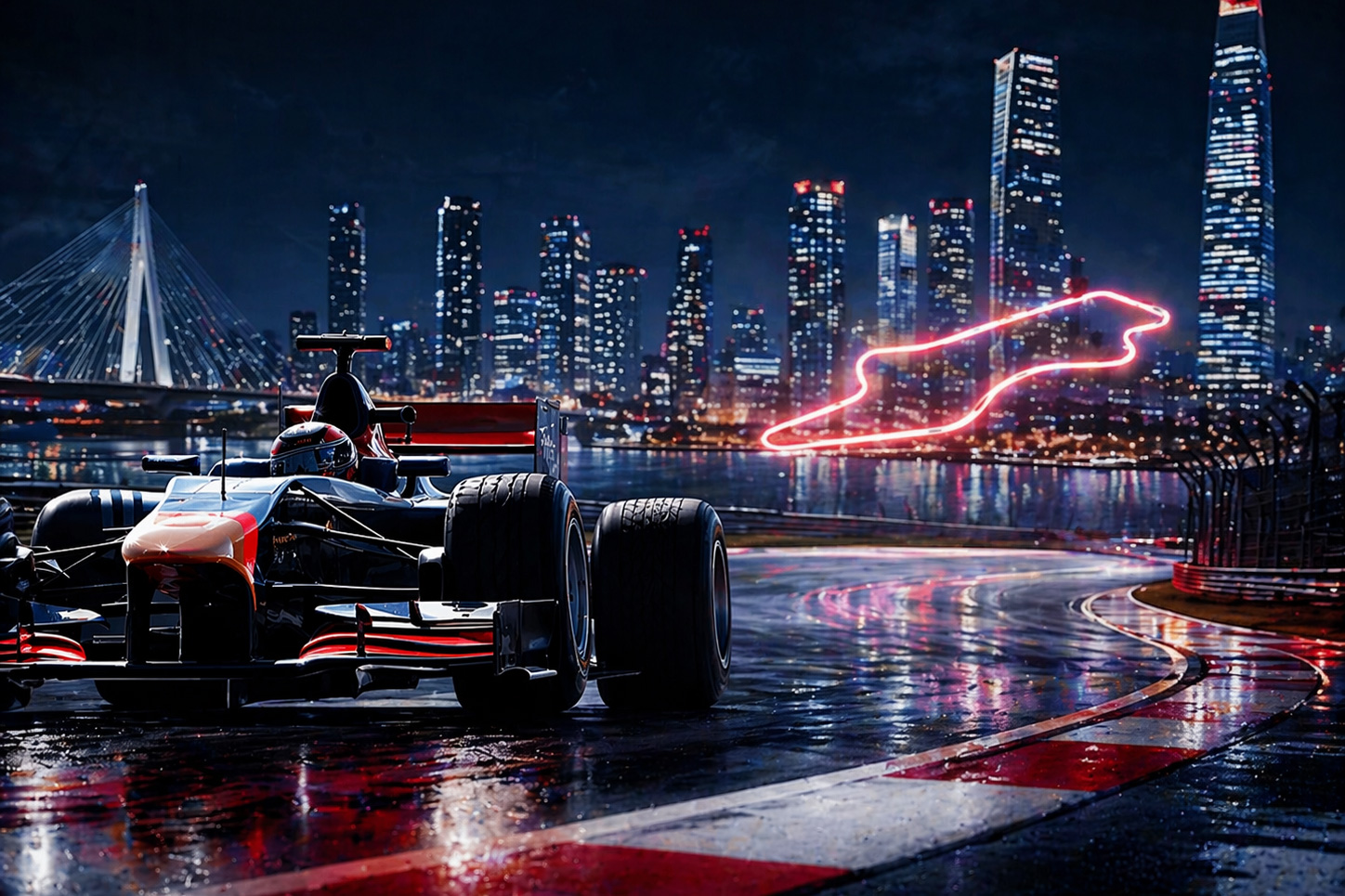
South Korea has been off the F1 grid for thirteen years, but the country is suddenly pushing for a comeback in the most ambitious way yet. Incheon has quietly green-lit plans for a street circuit through Songdo that could put the Korean GP 2028 on the calendar - complete with Hermann Tilke's fingerprints on the layout, a 337 km/h top speed, and a 400,000-fan target across a race weekend. If it lands, Asian F1 is about to look very different.
Why the Korean GP 2028 push is hitting right now
After three quiet seasons at Yeongam between 2010 and 2013, Korea disappeared from the calendar. Empty grandstands, a circuit parked four hours from Seoul, and a balance sheet that never added up. That was the obituary - until April 2026, when Incheon's mayor Yoo Jeong-bok walked out of a press conference with a feasibility study in hand and a clear target: get a race on the grid by 2028. The city wants to select private operators by the end of this year and draft the baseline plan in 2027. This isn't a vague rumor anymore. It's a calendar play with a deadline.
The timing matters for one specific reason. F1 is growing faster in Asia than almost anywhere else right now, and the global calendar is already bursting at 24 races. Any Korean GP 2028 slot would have to displace or co-exist with existing rounds - which is exactly why Incheon is moving fast. Miss this window, and the next one might not open for another decade.
Why the first Korean GP quietly died
The Yeongam era wasn't a disaster on track. Drivers actually liked the layout - a proper Tilke-drome that rewarded commitment through the high-speed back section. The 2010 opener ran in pouring rain, and Fernando Alonso took the win for Ferrari, hauling himself back into title contention with three rounds left. Then came the Sebastian Vettel show - three straight victories from 2011 through 2013 as Red Bull's title machine hit full stride.
The problem was everything outside the barriers. Yeongam sat roughly 400 kilometers from Seoul, in a region without the hotels, transport, or local fan base to sustain a Grand Prix. The grandstands looked half-empty on TV. Construction had slipped behind schedule before the first race, and the pit entry was so awkward that drivers complained openly. Korea's seven-year contract got torn up after four. When Ferrari scarlet fades from a venue because nobody showed up, something is wrong - and today's tifosi rally behind Charles Leclerc, not a circuit that couldn't find its crowd.
Inside the new Incheon blueprint
The pitch this time is radically different. Instead of a remote permanent track, Incheon wants a 4.96-kilometer street circuit wrapped around Songdo Moonlight Festival Park, just outside Seoul. Fifteen corners. Peak speeds up to 337 km/h. Hermann Tilke's firm has already drawn up the layout, and the blueprint borrows openly from Singapore and Las Vegas - two street races that proved a Grand Prix can be an entertainment engine as much as a sporting event.
The financial case is the real shift. The Korea Industrial Development Institute estimates the race would generate roughly 590 billion won in tourism revenue and create close to 5,000 jobs across a single weekend. Target attendance: 120,000 per day, 300,000 to 400,000 across three days. To keep locals onside, the plan includes an 1,800-meter noise barrier and temporary parking zones to keep Songdo's streets functional for residents who aren't paying for a paddock pass.
Remember who built a dynasty at Yeongam: Red Bull, with Vettel on pole and empty air behind him. The team is still the benchmark for street-circuit discipline, and anyone who's followed Max Verstappen's recent urban performances understands why the Verstappen's caps collection never seems to sit on shelves for long.
What the Korean GP 2028 changes for drivers and fans
A street Korean GP 2028 would hit drivers harder than the Yeongam version ever did. Tilke's Songdo layout is fast but unforgiving - walls close, runoff minimal, tire wear variable across three hot Asian race days. Qualifying would matter more than at almost any other round on the calendar. Expect one-lap specialists to circle this date on their schedules months in advance, and expect the first sector, where peak speeds touch 337 km/h, to settle half the grid before the lights even go out.
For fans, the shift is bigger. A street race near Seoul plugs directly into a city that already hosts K-pop stadium tours, e-sports finals, and the kind of weekend tourism F1 now competes for. The Formula 1 brand has been hunting this exact demographic - younger, social-media-fluent, heavily Asian - since Drive to Survive rewired the sport's growth curve. Toto Wolff has said openly for over a year that Korea is an untapped market. A Seoul-adjacent street race is how you untap it.
For Korean fans themselves, this would be the first Grand Prix close enough to actually attend. Yeongam was a pilgrimage. Songdo would be a subway ride.
The obstacles that could still kill it
None of this is signed. Incheon has given itself the internal green light, but F1 management has not confirmed any slot, and the project depends on private operators stepping up with real money rather than asking for public guarantees. The political layer is messier - local elections on June 3 could swap out the mayor who is driving the whole thing. The opposition candidate has already questioned whether the projected economic numbers hold up under pressure.
Then there's the calendar math. F1 is already running the longest season in its history, and adding Korea means dropping something, rotating venues, or extending further. Nobody inside the paddock wants that conversation, but it's the conversation that has to happen. What are fans who watch every round going to wear while they wait to see whether this one actually lands? Probably the same thing they've been wearing all 2026 - papaya. Lando Norris' title run has made McLaren the default answer for anyone shopping for current fan gear, and that's not changing before lights out in Melbourne next year.
By mid-2027, we'll know. Either Incheon will have private operators, an FIA-aligned plan, and a real slot in the 2028 draft calendar - or the story will have quietly slipped back into the file marked "almost." Korean F1 has been there before. This time, the blueprint is sharper, the market is hungrier, and the circuit is actually near somewhere people live. That might finally be enough.