
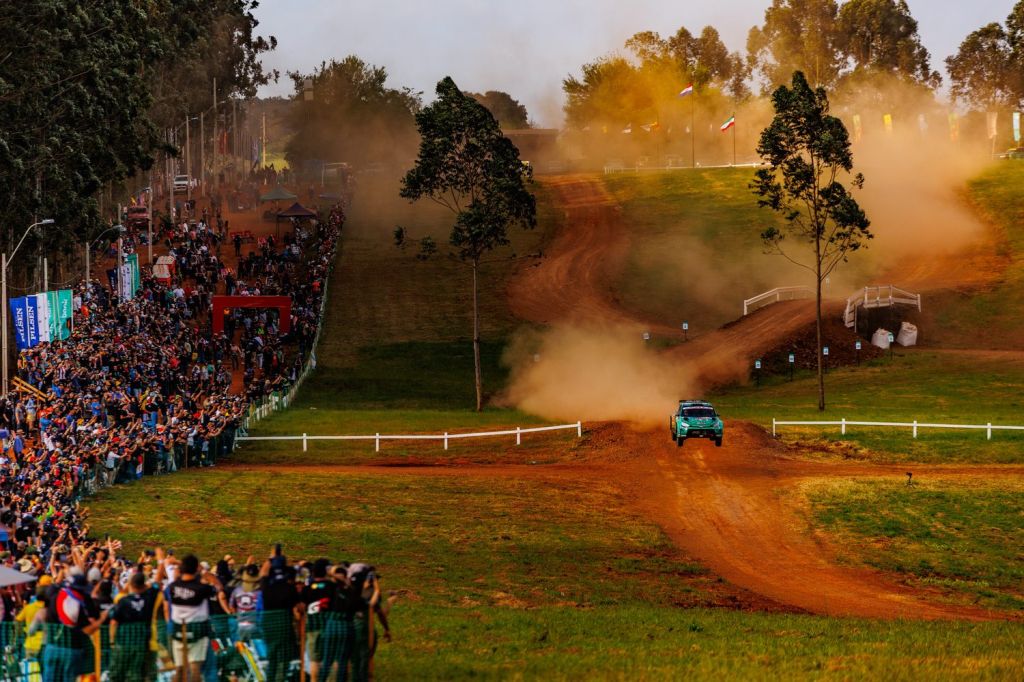
Rallying has always played by its own rules - special stages carved into mountain switchbacks, service done on a gravel lot, fans standing close enough to feel the air move when a car blasts past. This is not Formula 1 with its sterile paddocks and corporate hospitality suites. Now WRC has new owners, and the real question is whether they showed up to grow this world or gut it. So far, they are saying the right things - and they have a concrete plan to back it up.
What Does the Cosmobilis and Park Square Capital Acquisition Mean for WRC?
Cosmobilis, together with investment fund Park Square Capital, has bought WRC Promoter GmbH - the company that runs the commercial side of the World Rally Championship. The transaction is being called the largest in the series' history. What the new owners did not acquire are the sporting rights, which remain with the FIA. What they do control is how WRC is sold to the world: broadcast deals, licensing, visual identity, and relationships with manufacturers and fans alike.
That distinction matters. Cosmobilis can decide where and how we watch rallies, what it costs to get into the service park, and what the logo on the poster looks like. Technical regulations, the calendar, classifications - that is the FIA's territory. The boundary is important for anyone worried that a new commercial owner will bend the rulebook toward a financial agenda.
Eric Boullier as CEO - An F1 Man Takes the Wheel at WRC
Eric Boullier has been named CEO of WRC Promoter GmbH, and he is a familiar face in global motorsport. Long associated with Formula 1 - most notably as Racing Director at McLaren - he now faces a completely different assignment: growing a series that shares almost nothing with the F1 circus in terms of scale or character.
He first laid out the new owners' vision publicly at Rally del Paraguay. The message was clear: growth yes, revolution no. Boullier talked about attracting new manufacturers, building a better digital platform, and establishing a much stronger social media presence - all while protecting what makes rally racing fundamentally itself.
His F1 background cuts both ways here. Formula 1 under Liberty Media became a global phenomenon with tens of millions of new fans - but plenty of longtime followers have complained about stadium-style grands prix, restricted access zones, and entertainment spectacles that seem to overshadow the actual racing. Boullier clearly knows that lesson and is not looking to copy it directly.
WRC Arena and a New Approach to Fans at the Stages
One of the most concrete announcements is the transformation of the service park into what is being called the WRC Arena. Today the service park is largely a restricted-access operation: mechanics work against the clock while fans peer through fencing. The new concept envisions opening that space up - free admission where event logistics and local regulations make it possible.
That change could meaningfully shift the experience for a first-time rally fan. The service park is the beating heart of every event. The full manufacturer lineup is there, the cars are right in front of you, and conversations between mechanics and co-drivers happen in the open. Opening that zone to general fans is an invitation to a new audience without taking anything away from the diehards who have been camped on a junction road since before dawn.
Rally suits and protective gear - for professional factory crews and club-level competitors alike - come from brands that have been part of motorsport for decades.
Saturday Night as an Entertainment Platform - No Revolution in the Format
The Thursday-Friday-Sunday structure stays. That one sentence probably reassured hardcore fans more than anything else Boullier has said. The traditional WRC rally framework - qualifying on Thursday, punishing Friday loops with the highest stage count, then a recovery day leading into the Power Stage on Sunday - remains untouched.
The new element is Saturday evening. Cosmobilis sees that slot as a space for a show aimed at a broader, more casual audience - something closer to a festival with rally racing as the backdrop. The exact format will likely vary by location and what a local organizer can realistically deliver, but the idea tracks with a trend running through multiple racing series: pull in casual viewers without alienating the people who came for the sport itself.
Rally helmets and full crew safety equipment are areas where quality has a direct impact on safety - whether on a WRC stage or at a regional event.
Media, Social Media, and the Fight for a Global Audience
WRC has battled a visibility problem for years. Formula 1 is inescapable - highlights from a grand prix land on Instagram before the podium ceremony ends, Netflix turned it into a documentary franchise, and every race weekend is a global media event. Rallying has different DNA - special stages run for minutes at a time across separate roads simultaneously - but that does not mean the footage cannot translate to compelling short-form content.
The new owners are committing to a rebuilt media platform and a significantly stronger presence on the channels where younger audiences actually spend their time. The specific formats and rollout timeline will come into focus over time, but prioritizing digital channels is consistent with the direction every major motorsport series is heading.
The stated goal is making WRC visible globally - not just across Europe and the traditional rally-watching nations. Rally del Paraguay is already evidence that the championship is reaching beyond its historic European base; the question is whether Cosmobilis can turn that geographic reach into genuine media traction.
New Manufacturers in WRC - Why That Is Cosmobilis's Most Critical Target
The current WRC manufacturer field is Toyota Gazoo Racing, Hyundai Motorsport, and M-Sport Ford. Three teams is a thin foundation for a constructors' championship - if one walks away, the entire narrative of the series loses half its structure. Cosmobilis knows this, and bringing in at least one additional manufacturer is a declared priority.
Toyota Gazoo Racing has been one of the central pillars of WRC competition for years - both at the factory team level and across technical equipment.
A stronger media platform, growing viewership numbers, and an attractive promotional model are the tools Cosmobilis is counting on to make WRC more compelling for automotive brands that are currently watching from the outside. Which brands might be in play - there is speculation, but Cosmobilis has not put names on the table.
What Does This Mean for the Fan Standing on the Roadside?
Right now - nothing bad. The statements are measured, but the direction is right. The classic rally format stays in place, the service park is set to open up, and the media operation is supposed to improve. These are not promises of revolution; they are promises of evolution - and for a sport with an identity as strong and specific as WRC, that is actually a good thing.
The questions that remain unanswered are the financial ones. What are the plans around event access fees? Will tickets for Saturday's entertainment programming carry a steep price tag? Will broadcasts move exclusively behind a paywall? Those details will ultimately determine whether the new owner is a friend to the fan or just a new name on the letterhead.
For now, Boullier and Cosmobilis are saying the right things. The coming seasons will show whether those words translate into something real on the special stages.