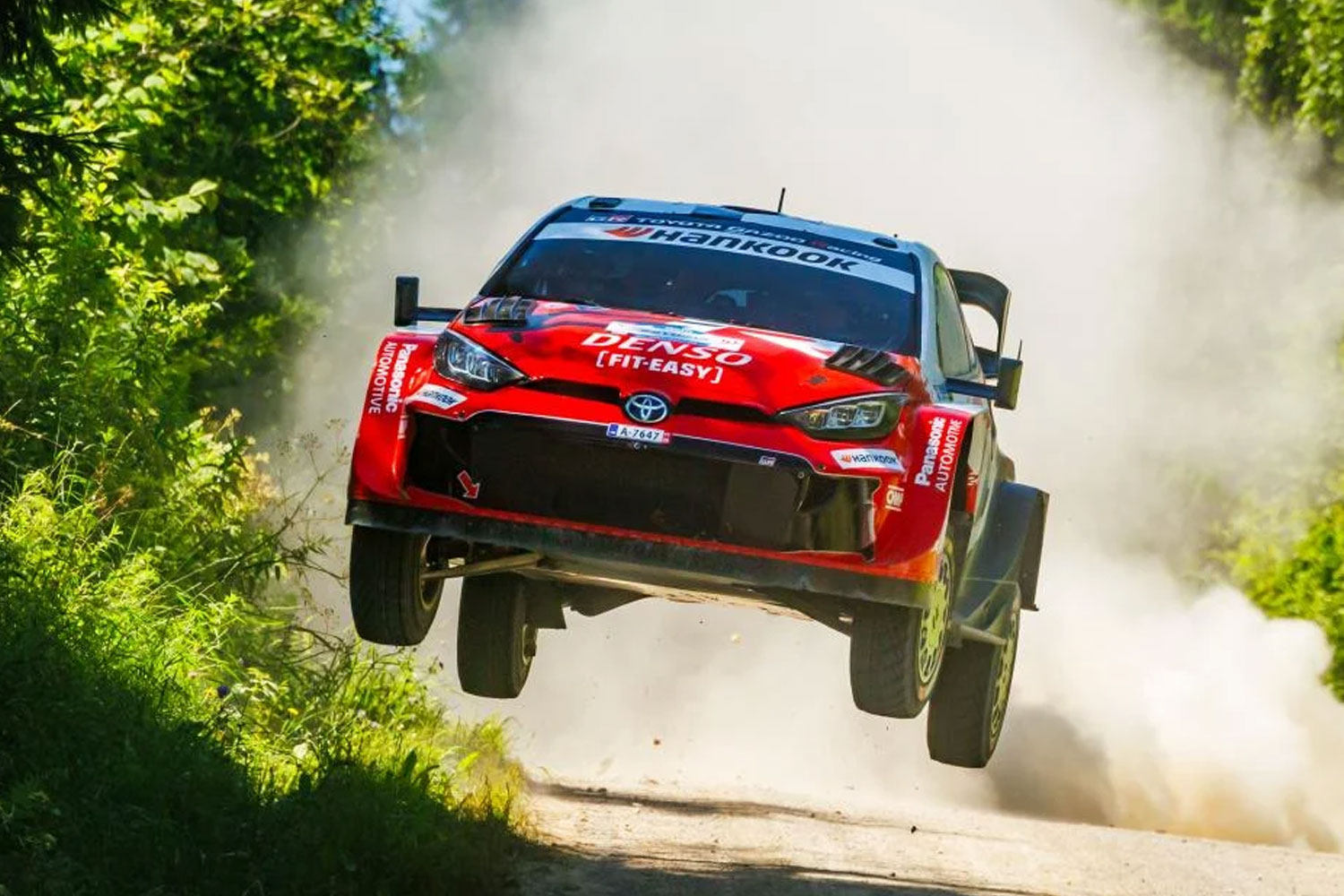
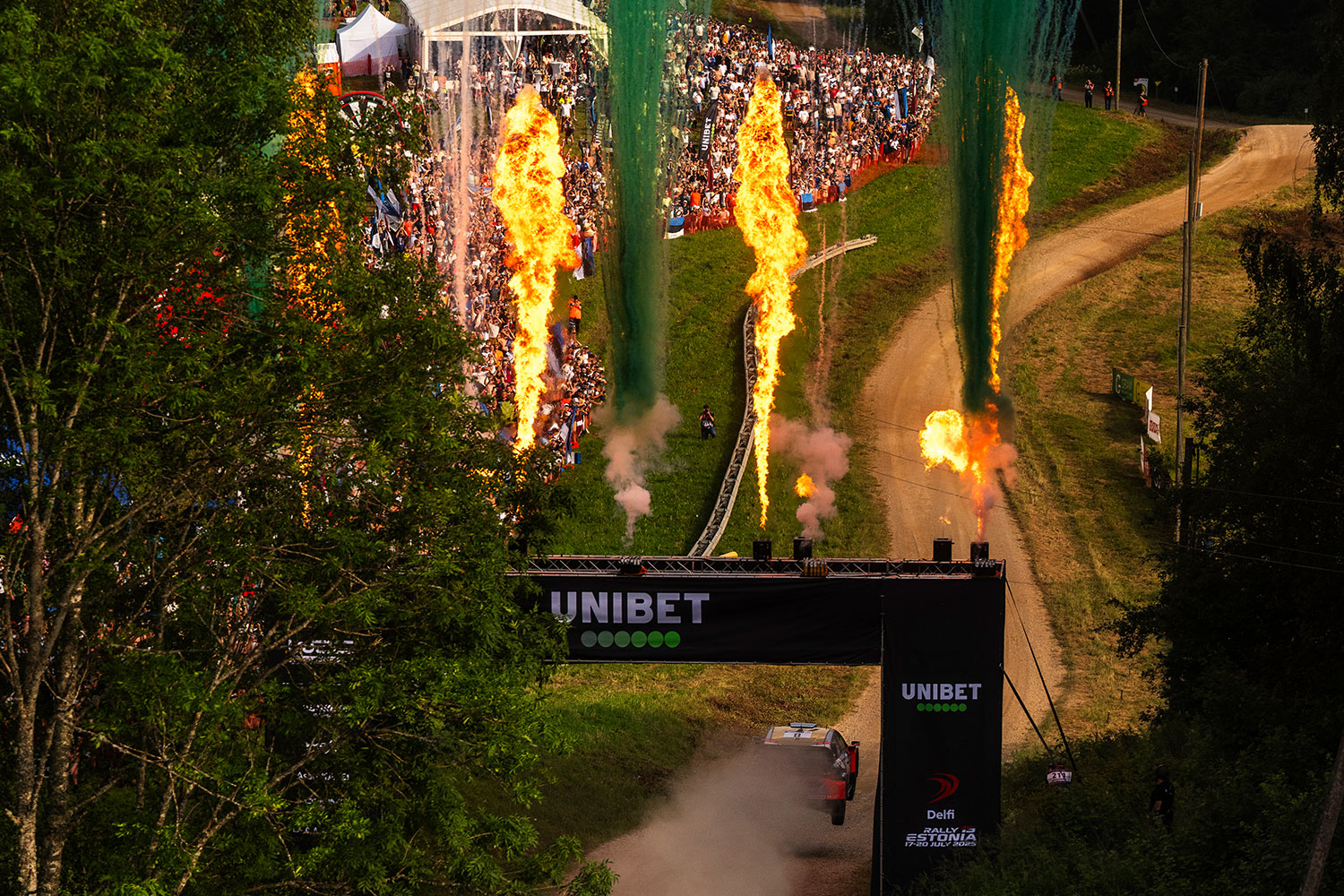
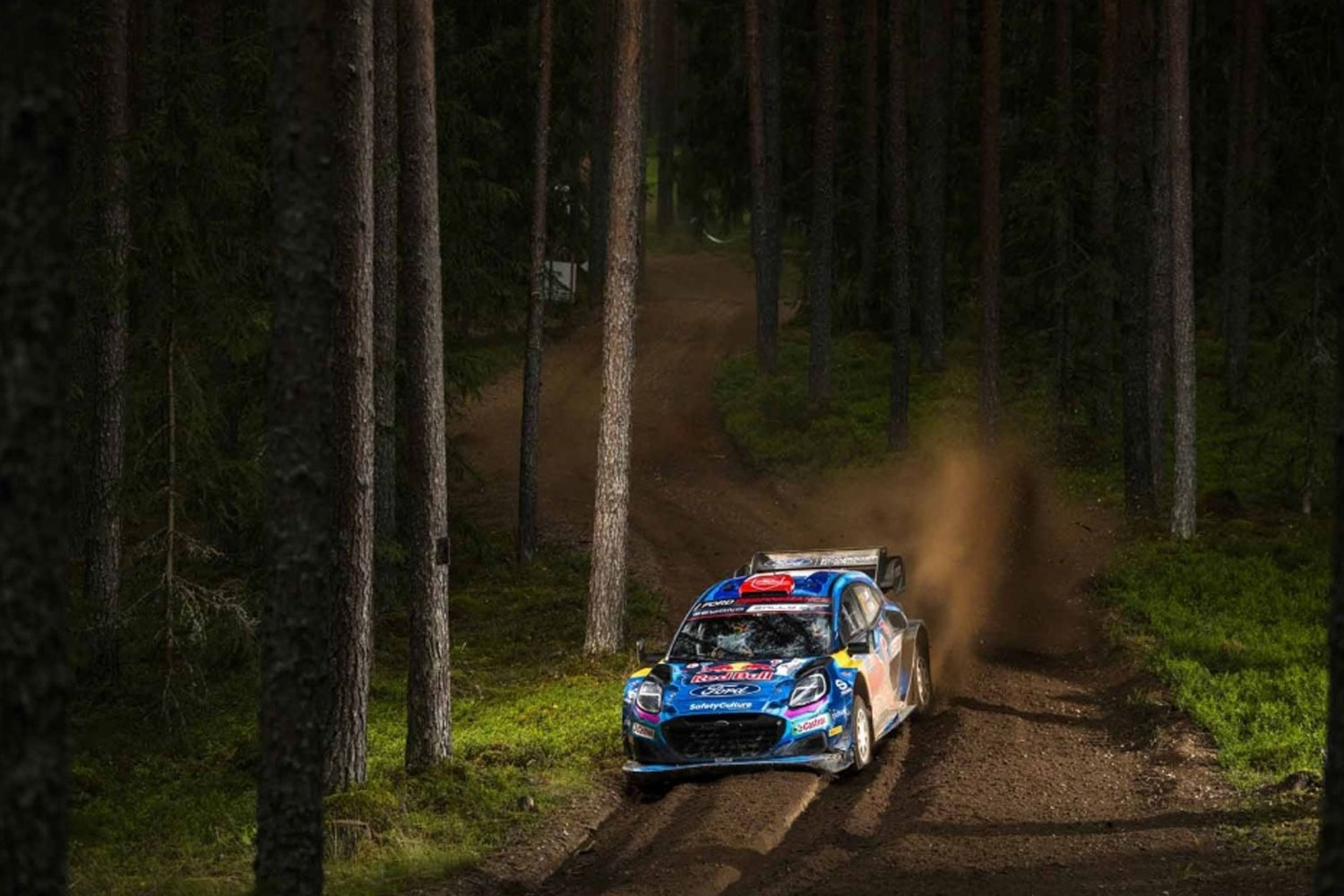
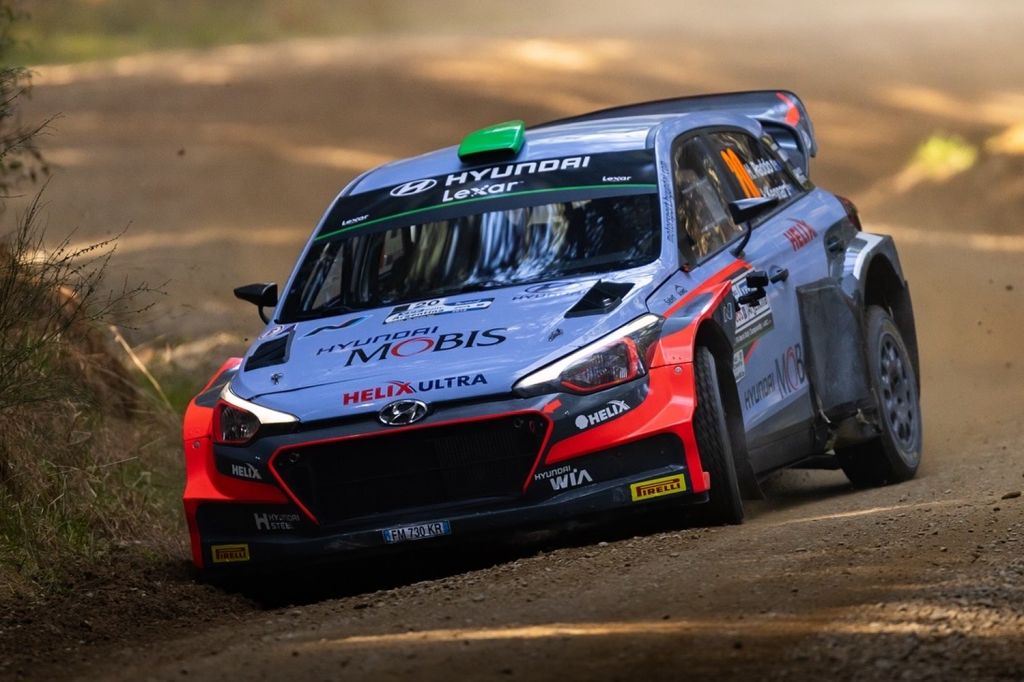
Sami Pajari swept all seven Friday stages at Rally Estonia 2026 and leads by 14.7 seconds. Solberg is second, Fourmaux 1.8 back - Saturday's fight starts now.
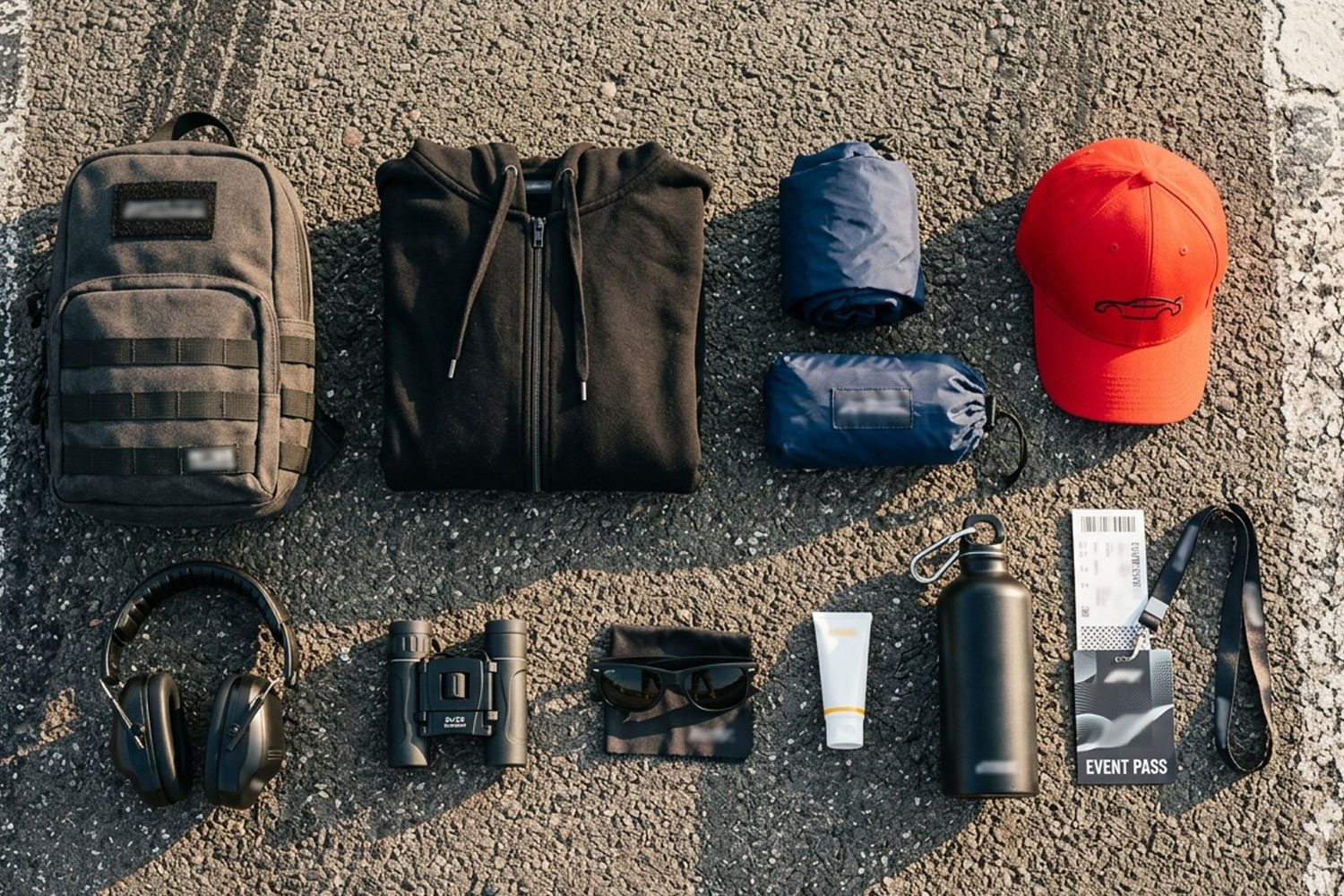
Your complete F1 race-day packing list: ear protection, weather-ready layers, tickets, and the right backpack. Tips for first-timers and veterans alike.
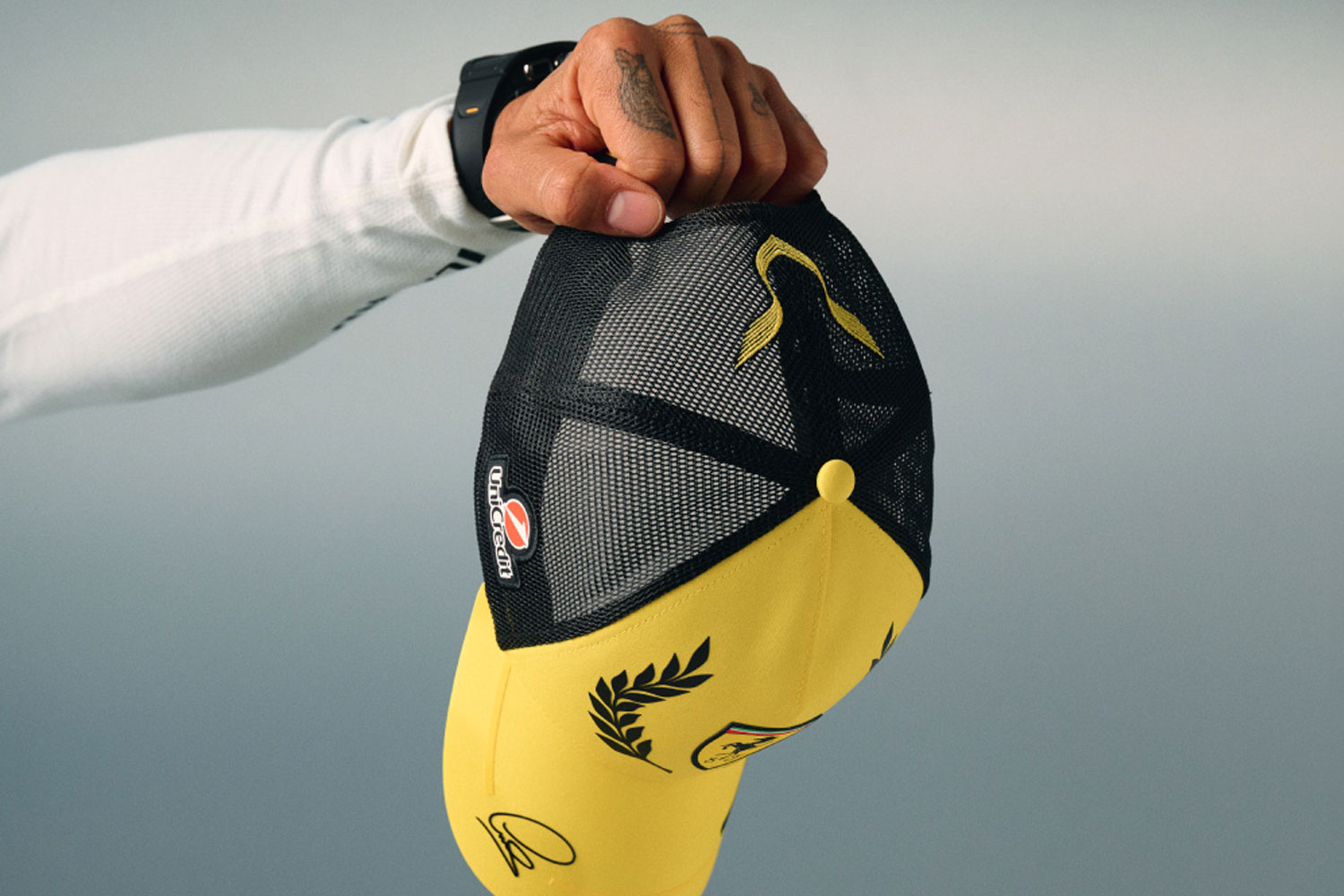
F1 2026 collections come from six brands across 11 teams: PUMA, Castore, adidas, New Era, HUGO BOSS and Tommy Hilfiger. Here is what separates teamwear from fanwear, and which line fits you
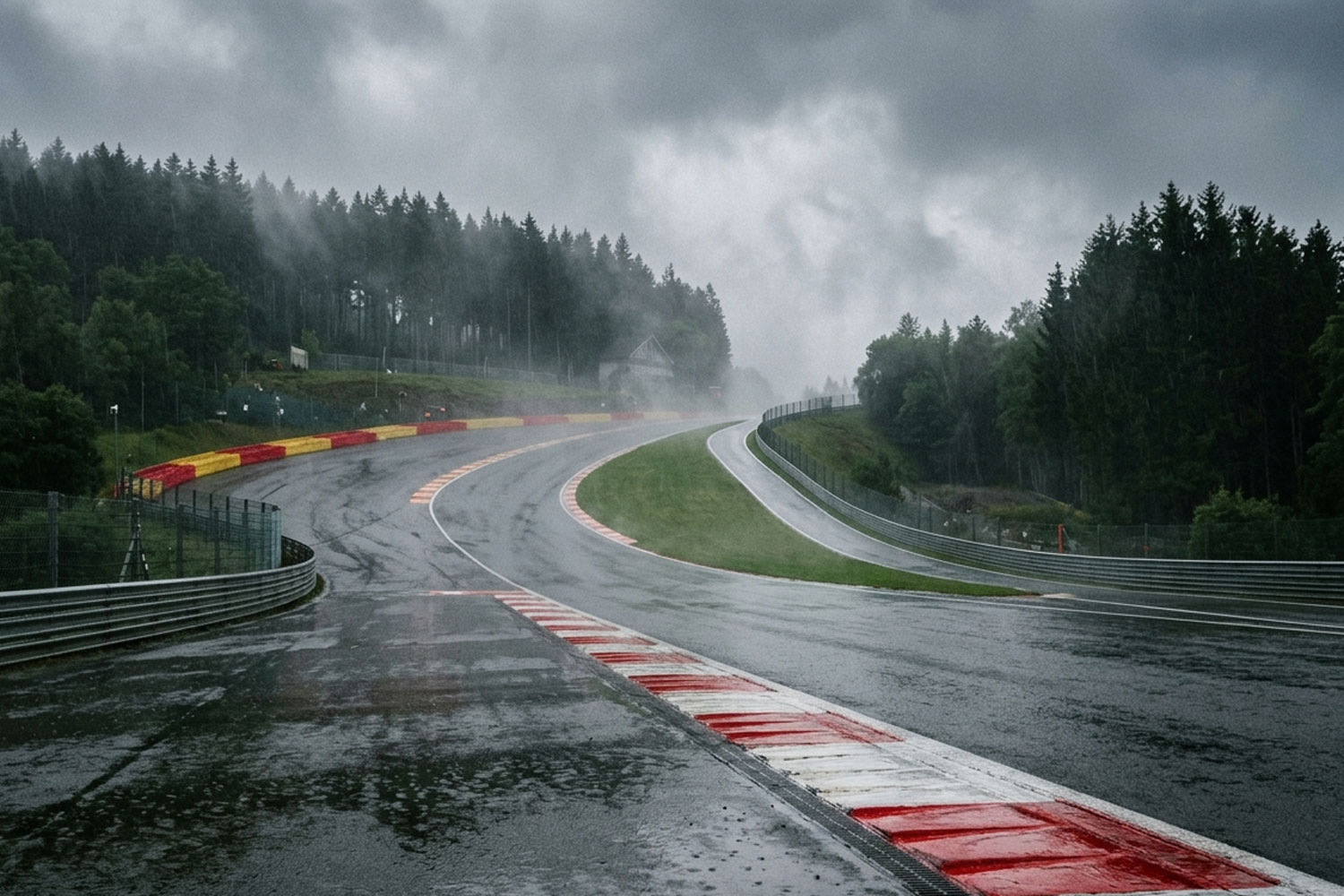
The 2026 Belgian GP at Spa-Francorchamps could be the first truly wet race for the new-gen F1 cars. Rain forecast all weekend raises questions no simulator has answered yet.
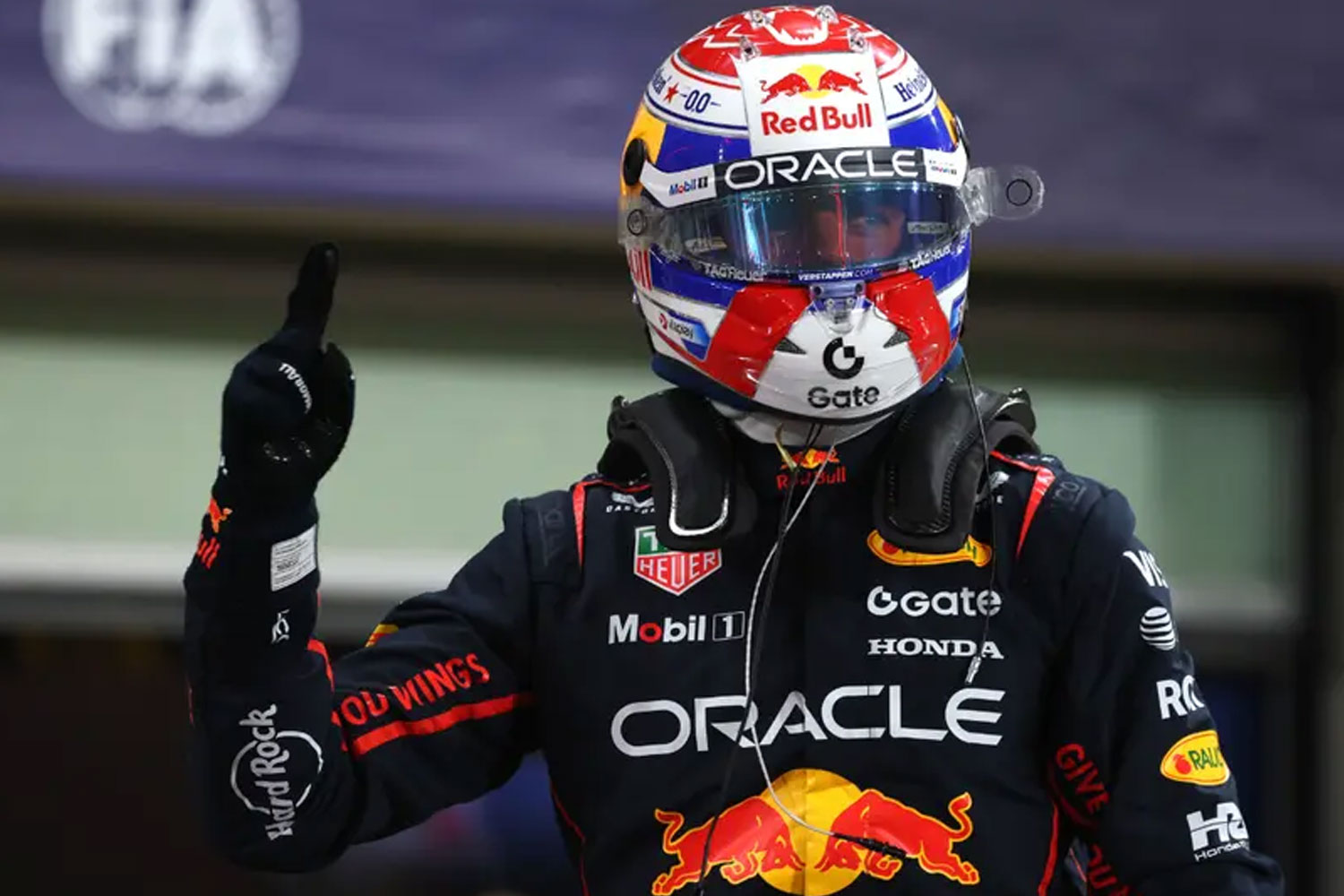
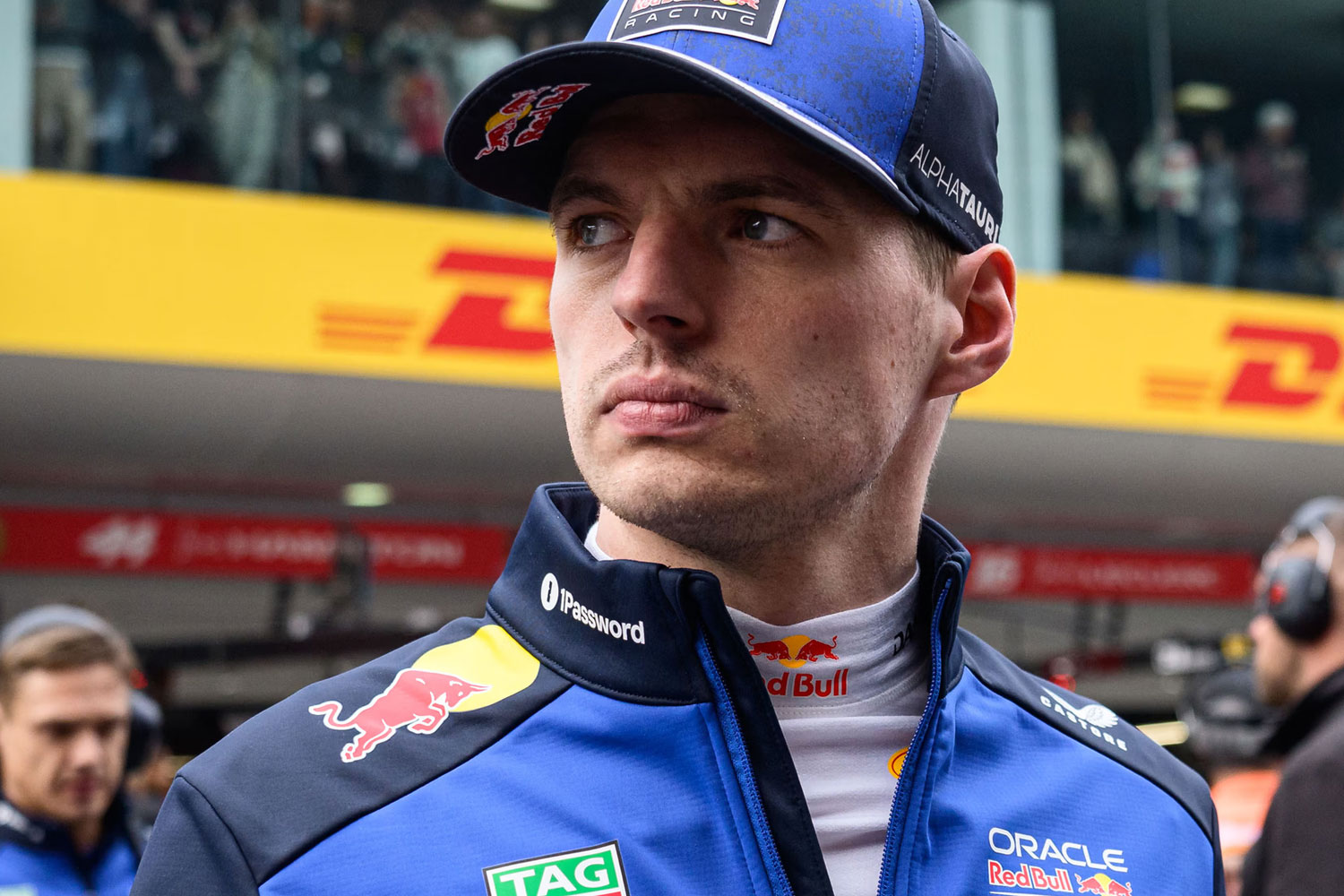
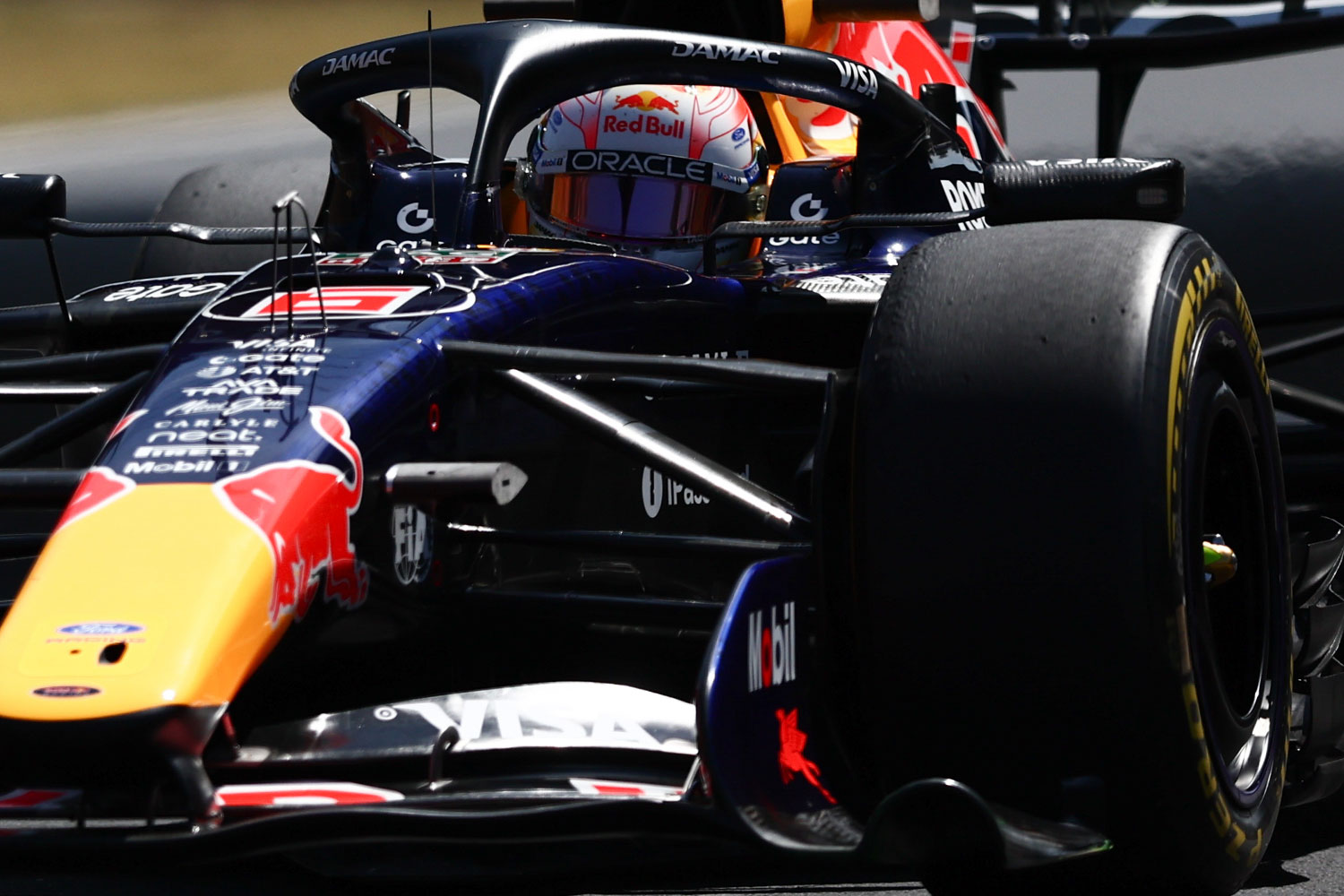
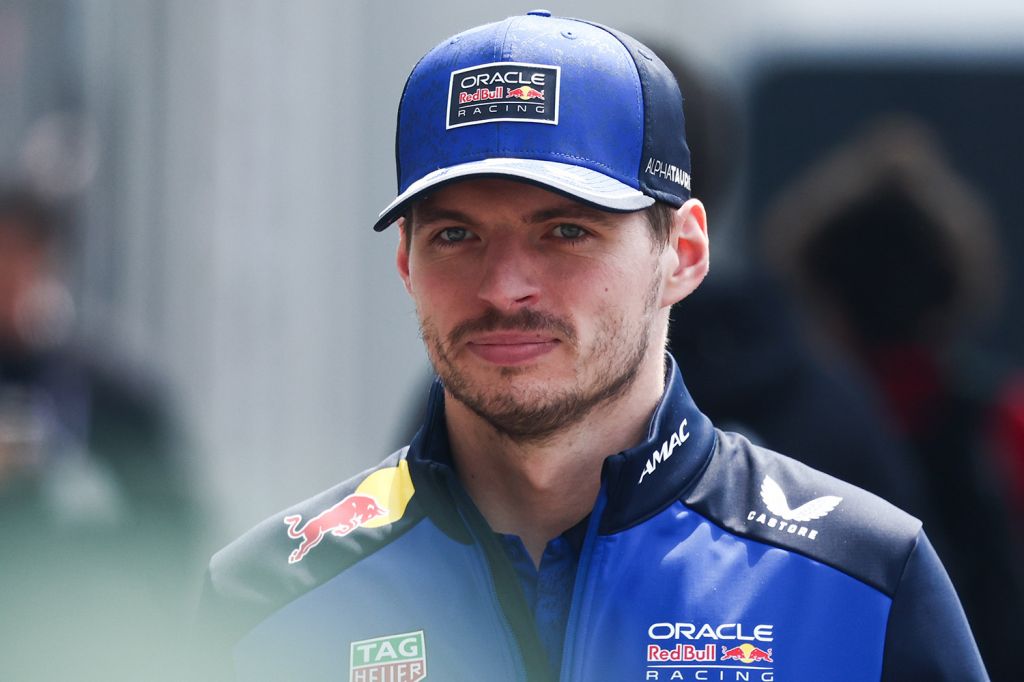
Max Verstappen has activated his exit clause for the third straight year, leaving Red Bull waiting while a transfer, a sabbatical, and early retirement all sit on the table.
A software glitch sent the wrong message to teams at Silverstone, finishing the race under the safety car. Leclerc won, Russell gained, and FIA has questions to answer.
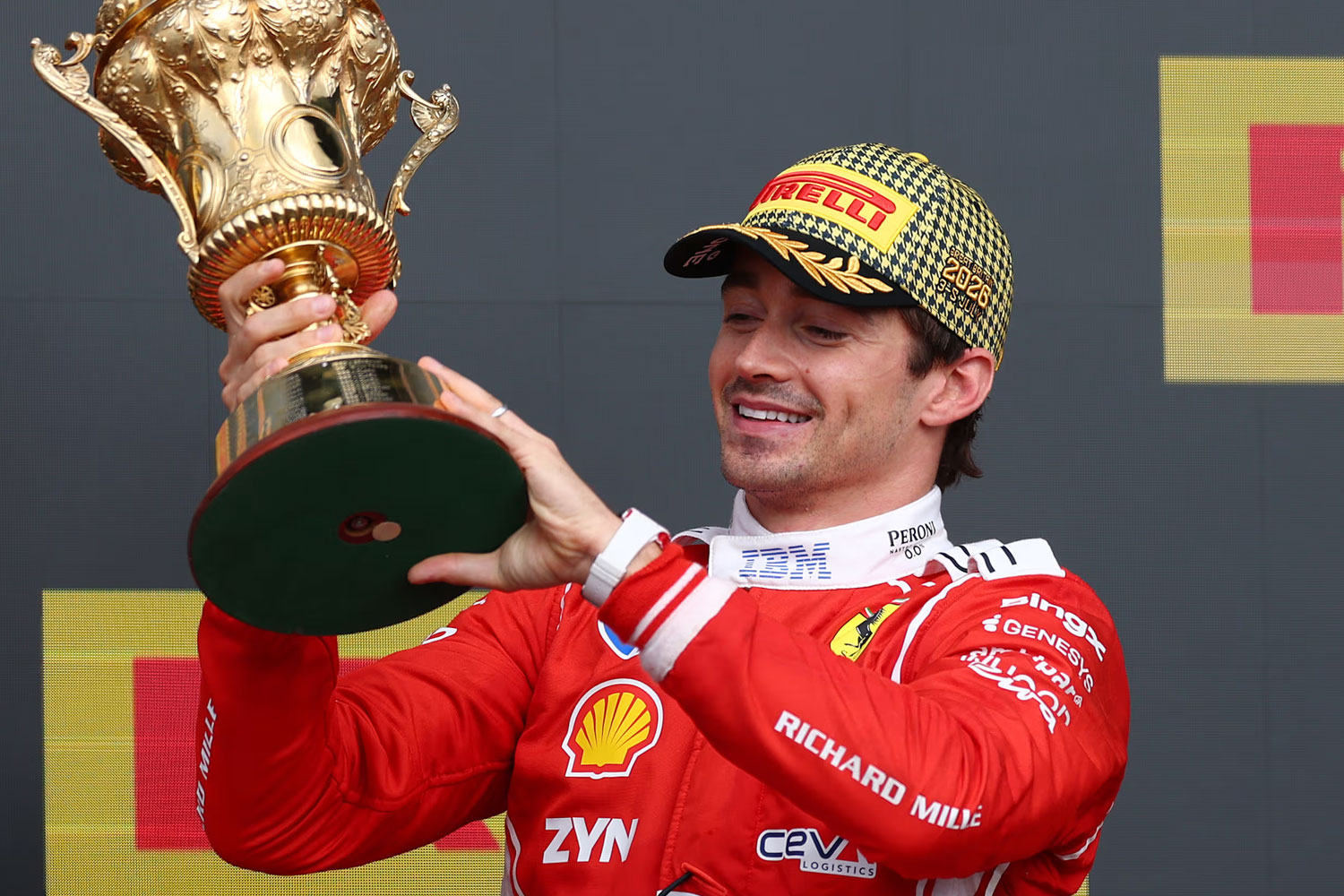
Charles Leclerc took a dramatic 2026 British GP win - Ferrari's 250th F1 victory - after an Antonelli mechanical and a Verstappen crash reshuffled the order.
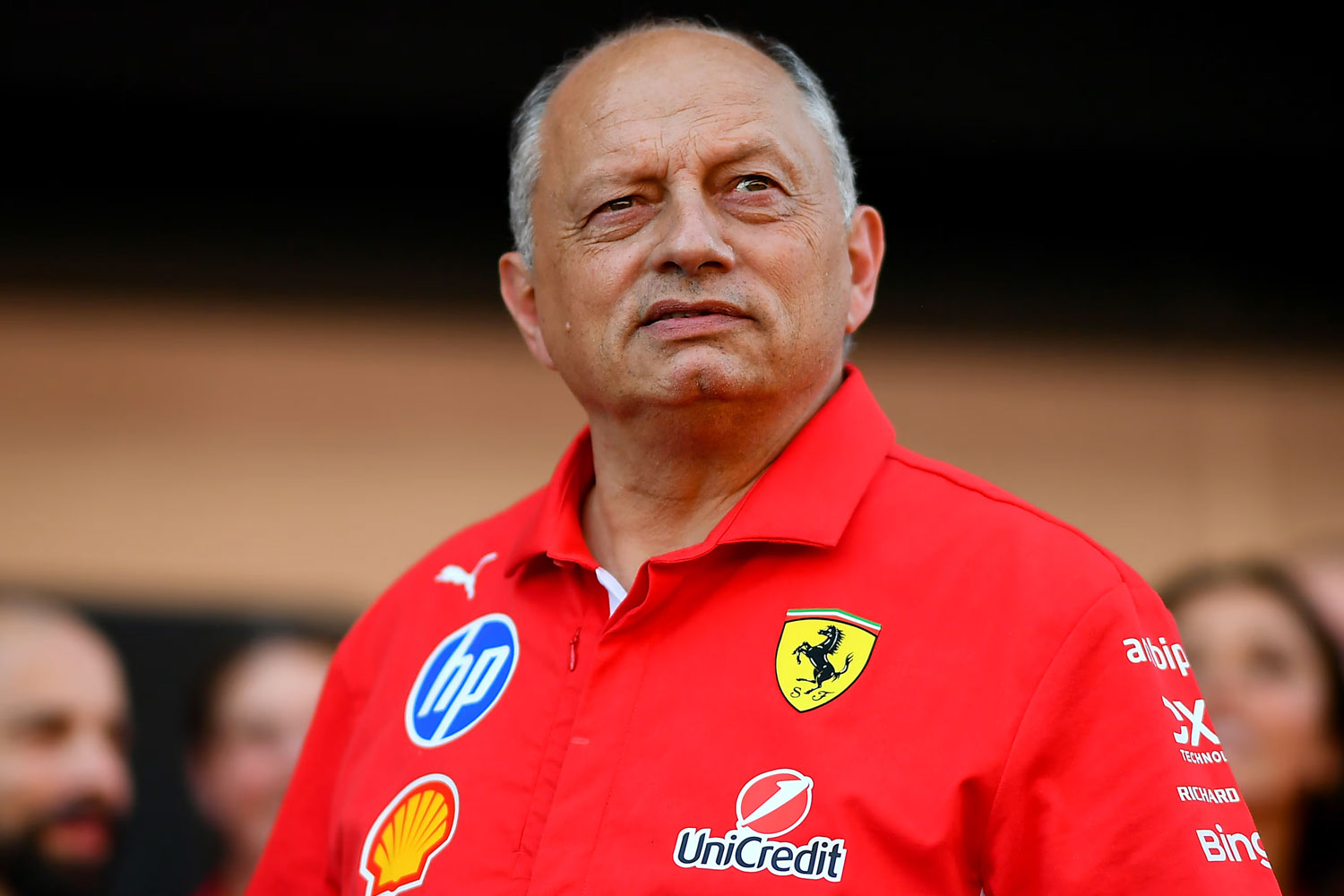
Fred Vasseur fired back at Toto Wolff after the Mercedes boss implied Ferrari's 2026 development pace raises cost cap questions. Here's what was said at Silverstone.
WRC Delfi Rally Estonia 2026 runs July 16-19 near Tartu - round 9 of the season, 53 entries, and the final year of this Rally1 generation. Evans vs. Ogier after the Acropolis.
Zak Brown confirmed it: if Norris or Piastri "slipped on a banana peel," Max Verstappen would be first on the call list. Why that single quote already shifts F1's power balance.
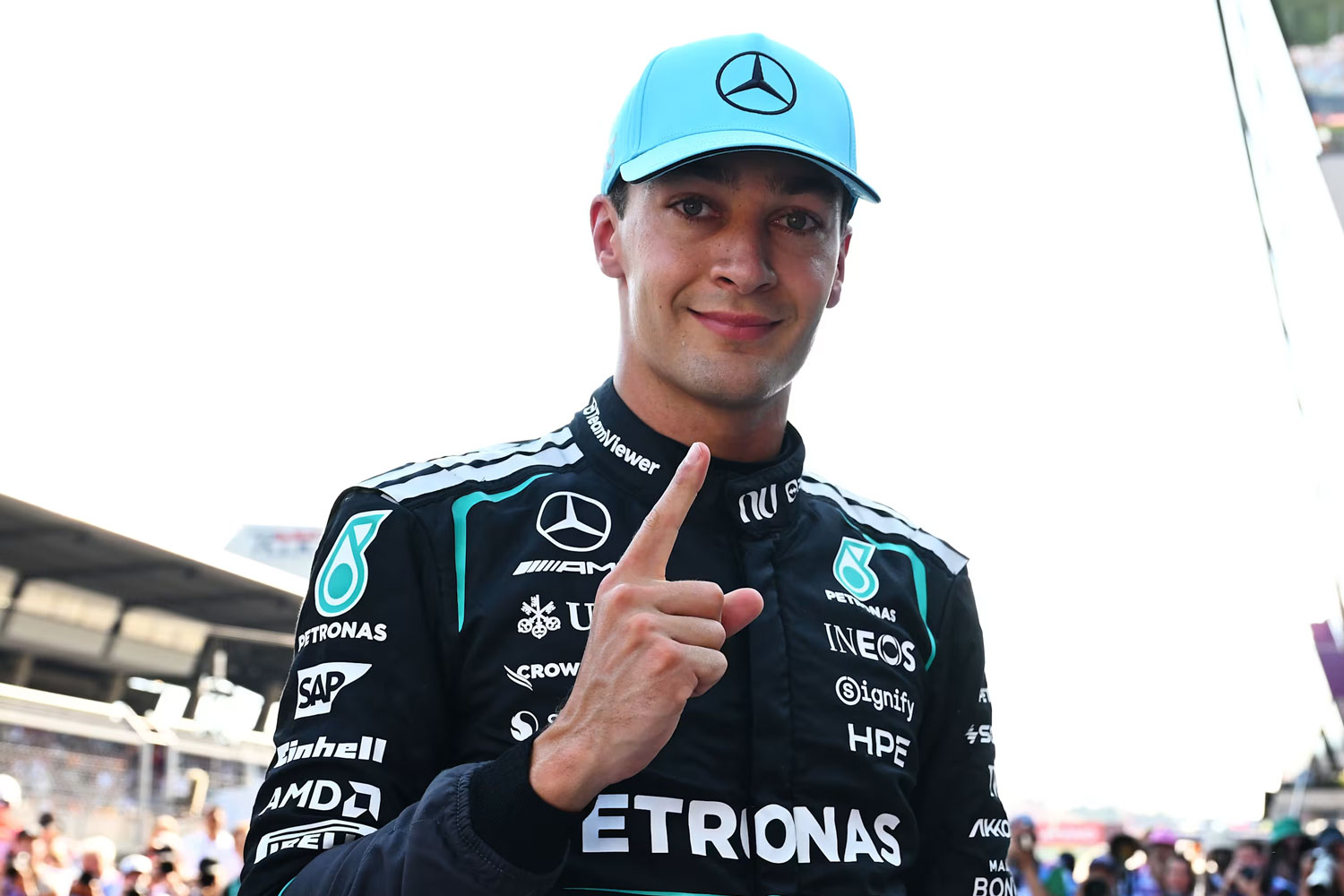
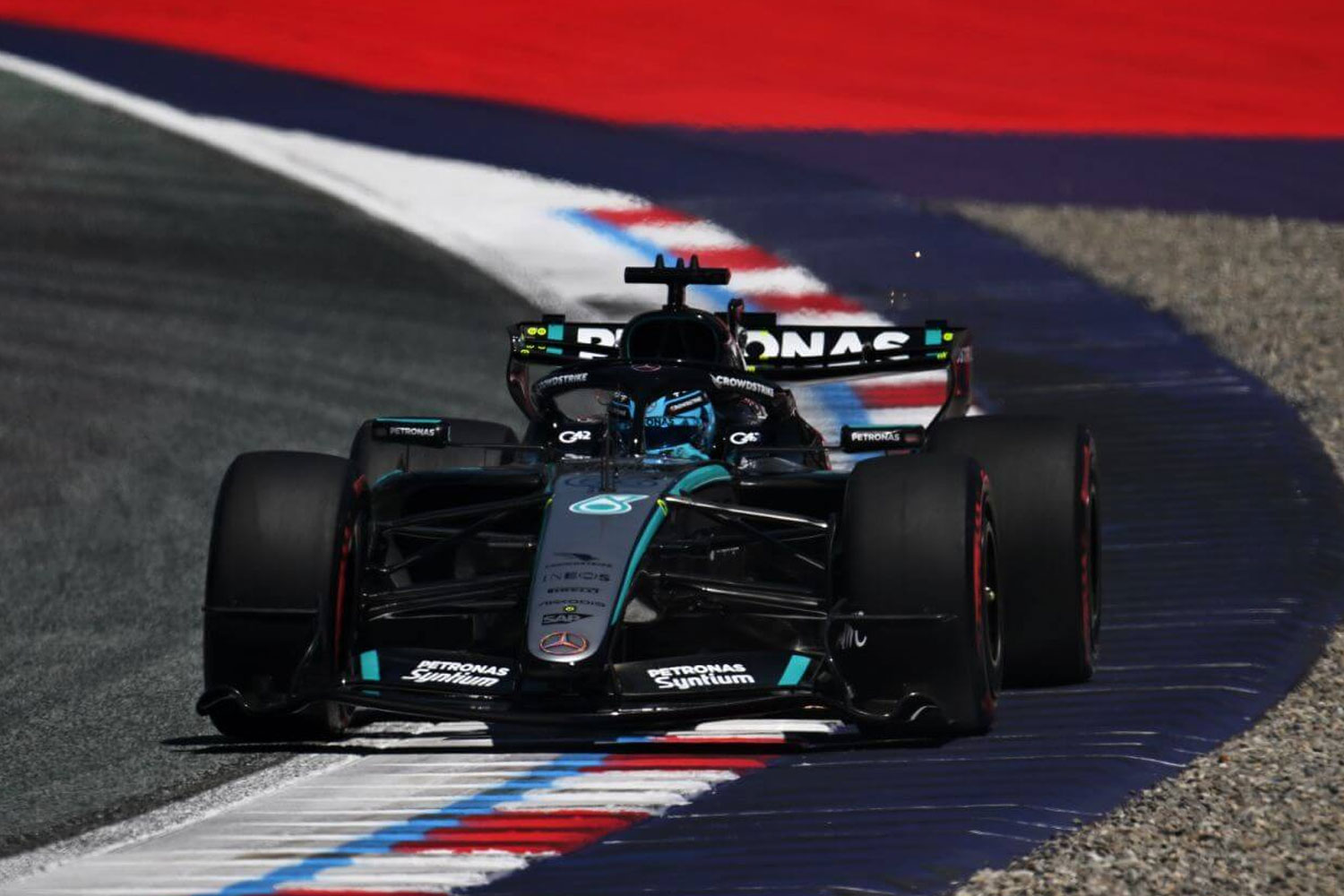
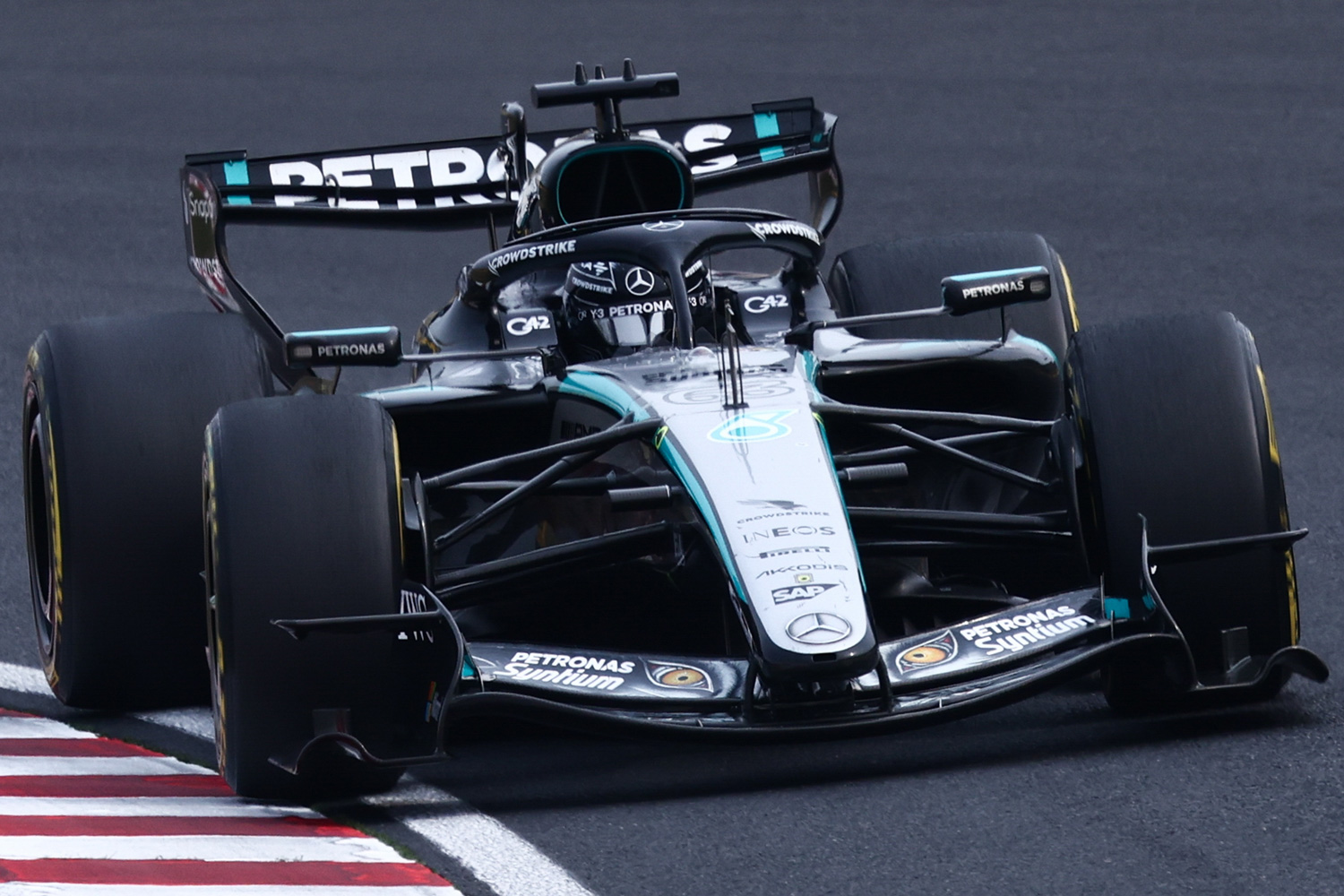
George Russell took the 2026 Austrian GP by 1.6 seconds over Max Verstappen for his second win of the season. Antonelli holds the championship lead by 40 points.
George Russell grabbed pole for the 2026 Austrian GP with a 1:06.113 lap, surviving yellow flags from Verstappen's crash to beat Leclerc by 0.236 seconds.
Red Bull brings a second upgrade package to Spielberg, and Verstappen admits the hardest step is still ahead. Here's why this weekend could shape his contract decision.
The FIA has approved the Rally2 WRC Kit at 7,500 euros, letting existing Rally2 cars compete at WRC27 pace in 2027 and 2028. Here's what it means for the championship.
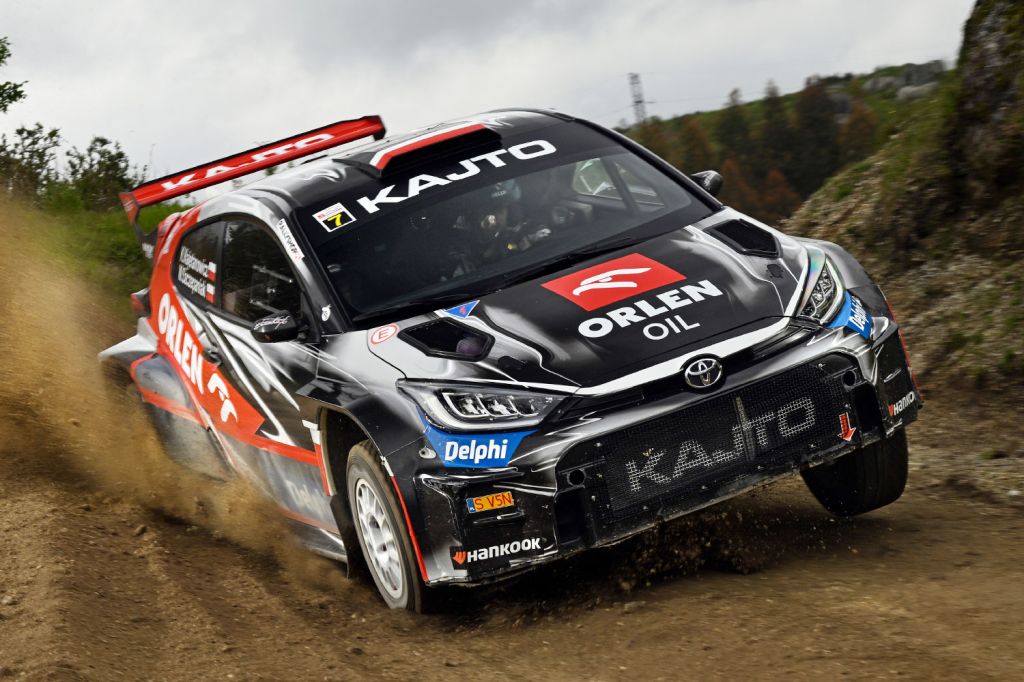
Kajetan Kajetanowicz enters the 82nd Rally Poland, set for July 24-26 on the asphalt roads of Silesia. The three-time winner returns to where his career began.
The FIA has completed a site visit to evaluate whether Rally US meets WRC standards. A return to America for the first time since 1988 could land on the 2027 calendar.
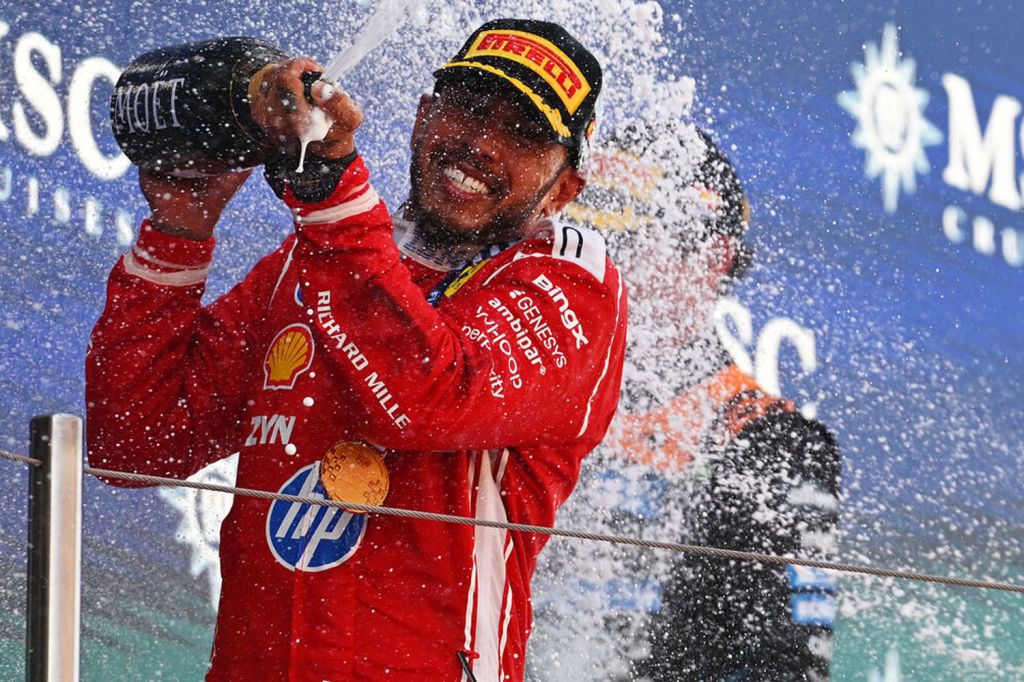
Lewis Hamilton claimed his 106th career win at the Spanish Grand Prix, his first for Ferrari. Championship leader Kimi Antonelli retired with a broken rear wing on lap 61.
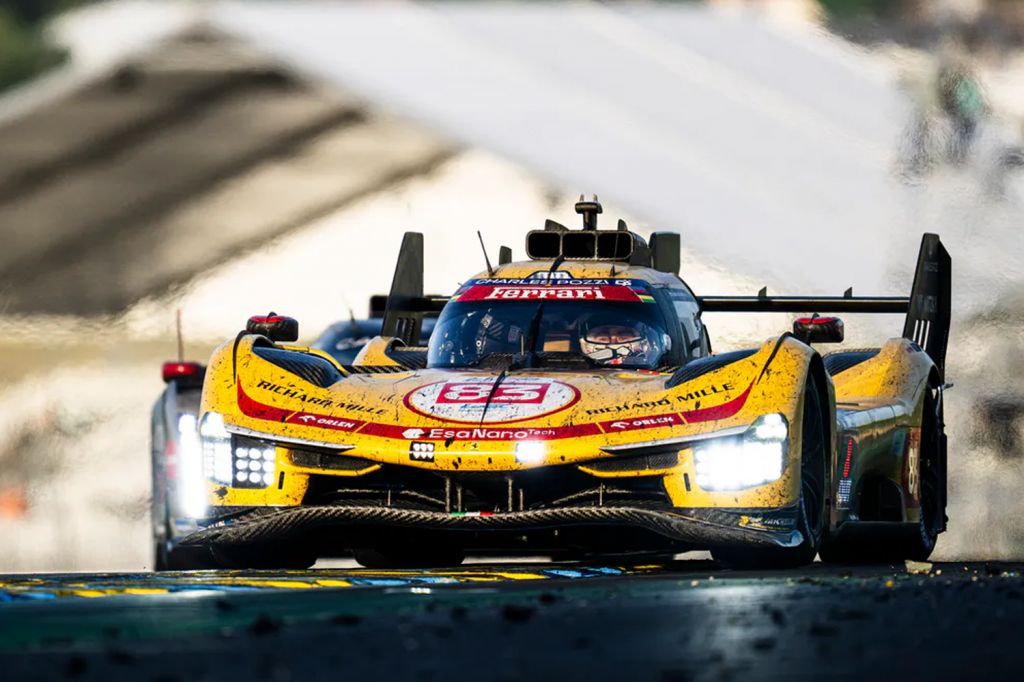
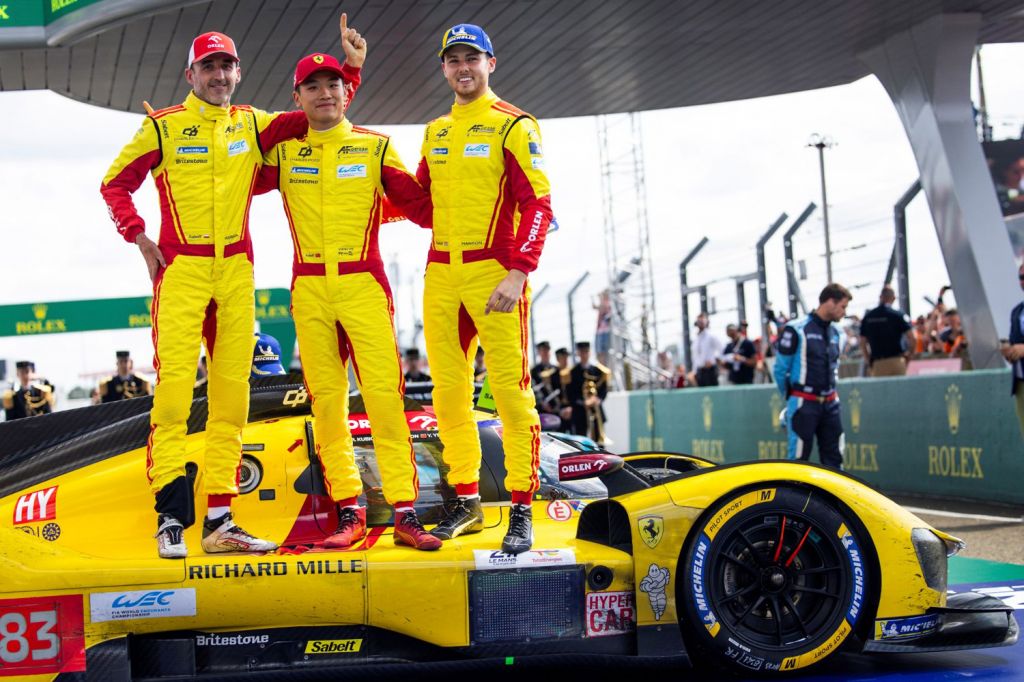
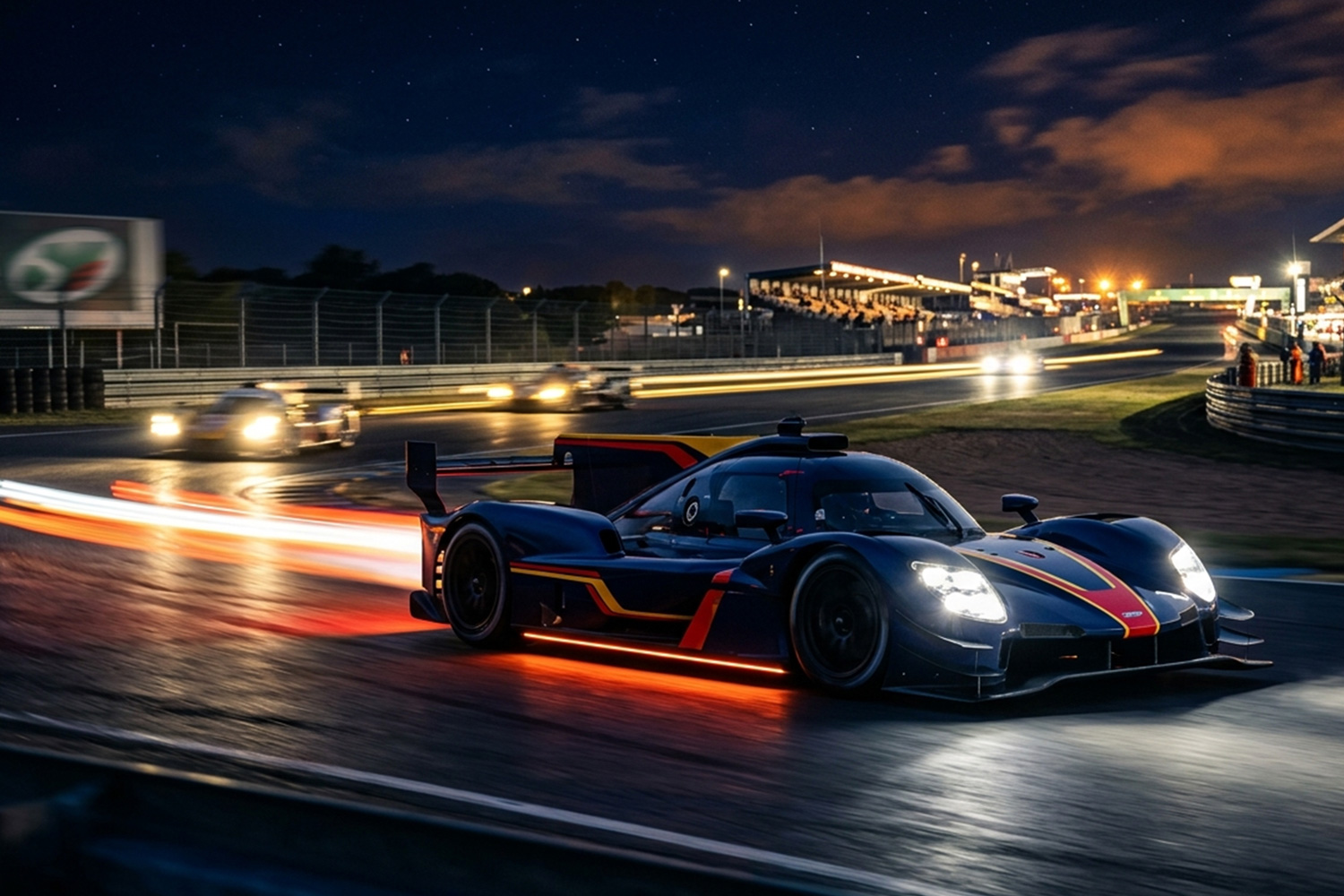
Robert Kubica finished Le Mans for the sixth straight time, recovering 10 positions, but one safety car call early in the race defined everything that followed. Inter Europol won LMP2 again.
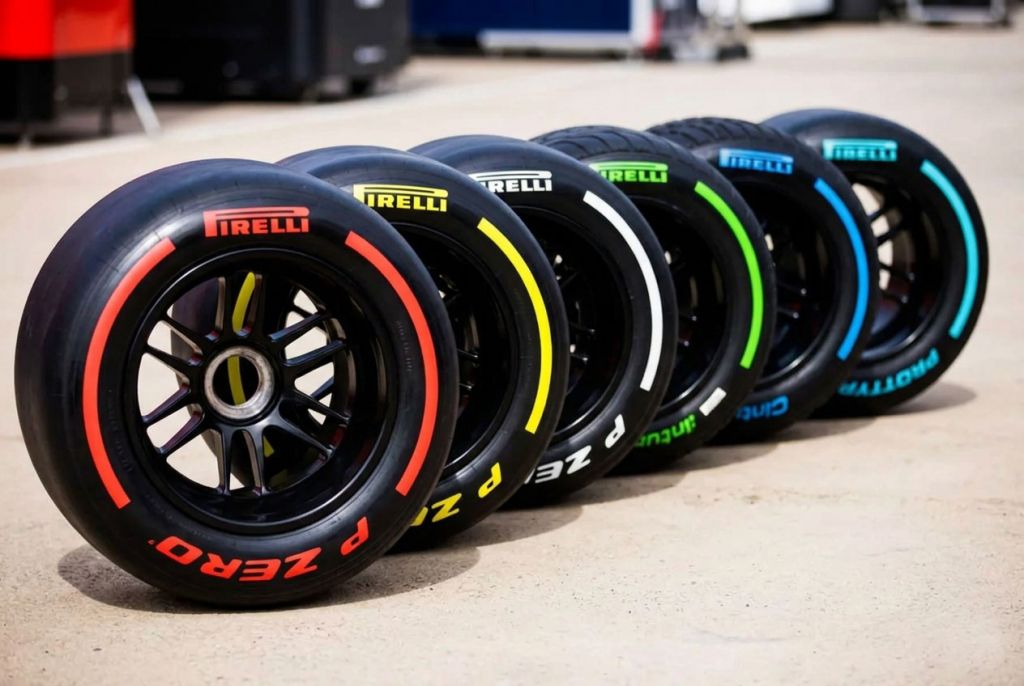
The FIA triggered its contract option and Pirelli stays F1 tire supplier through the end of 2028. The deal covers F2, F3 and F1 Academy, with the next tender set for 2029.
Robert Kubica heads back to the 24 Hours of Le Mans with the No. 83 Ferrari 499P as defending winner - and says he feels better prepared than before his first triumph.
Gazoo Racing confirms a mid-engine sports car with a new G20E 2.0L turbo aiming past 400 HP and up to 600 HP in race form. Production no sooner than 2030.
Heading into 2027, the F1 driver market spins around one name. Until Max Verstappen talks, Mercedes, McLaren and Ferrari are stuck planning with an asterisk.
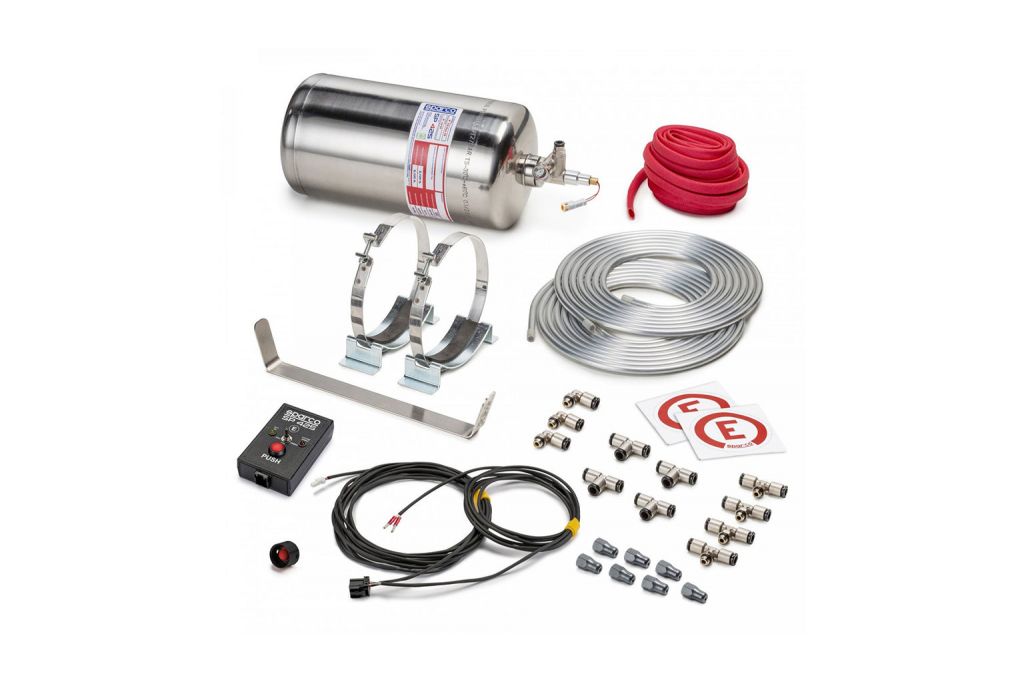
Fire in a race car is one of the most serious hazards in motorsport. A built-in suppression system is not just a regulation requirement - it can be life-saving. Here's how to choose one.
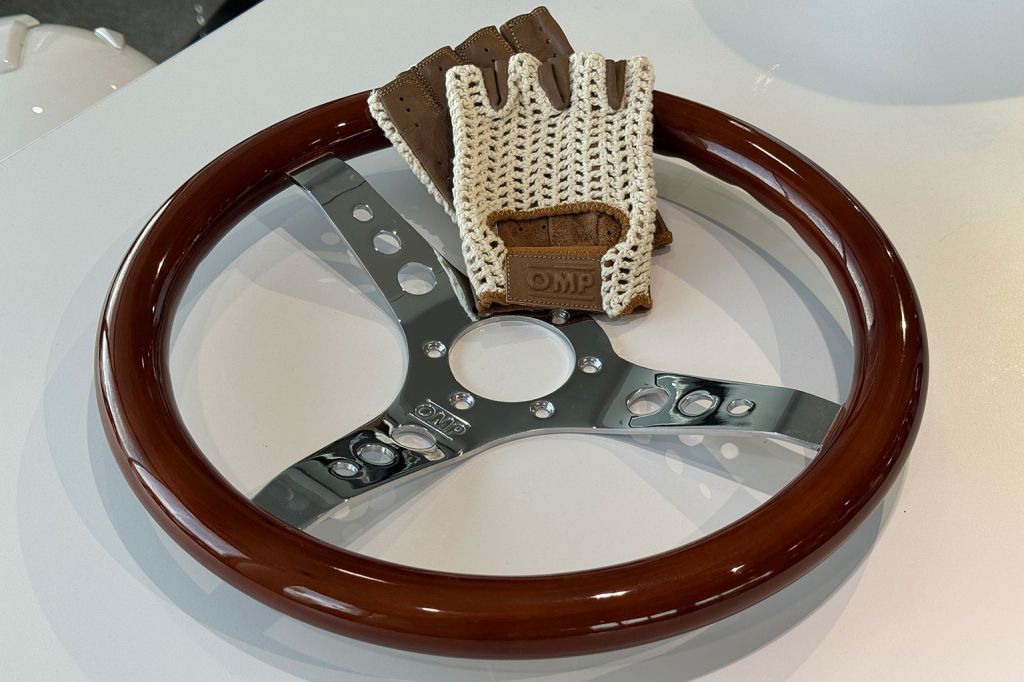
A steering wheel sounds simple, but the wrong diameter, offset, or rim material will cost you lap time and comfort. Here's how to choose correctly for rally, circuit, or karting.
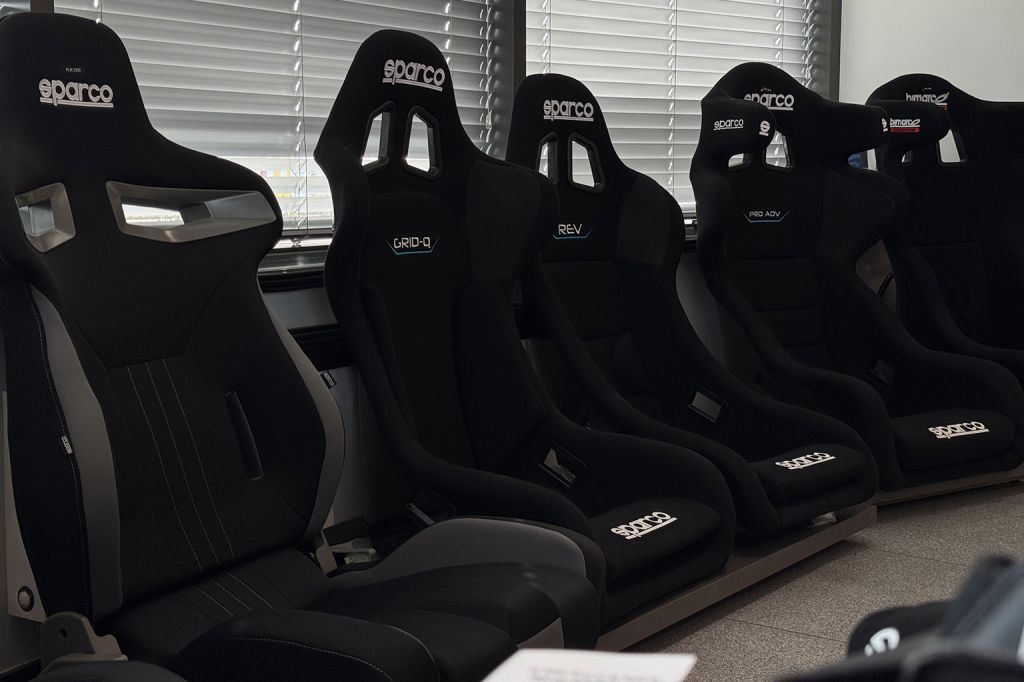
A bucket seat is a key safety element in any motorsport car. Choosing the wrong one compromises both protection and pedal precision. Here's how to get it right.
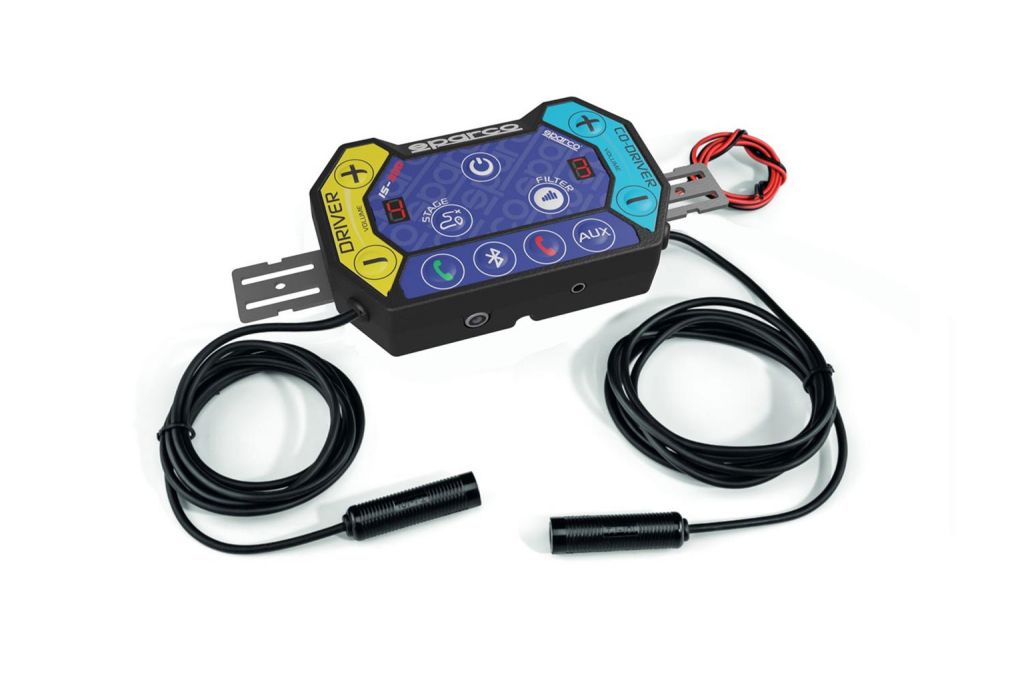
Reliable driver-co-driver communication is a safety essential in rally and directly affects pace. Here's how to choose between analog, digital, and wireless systems.
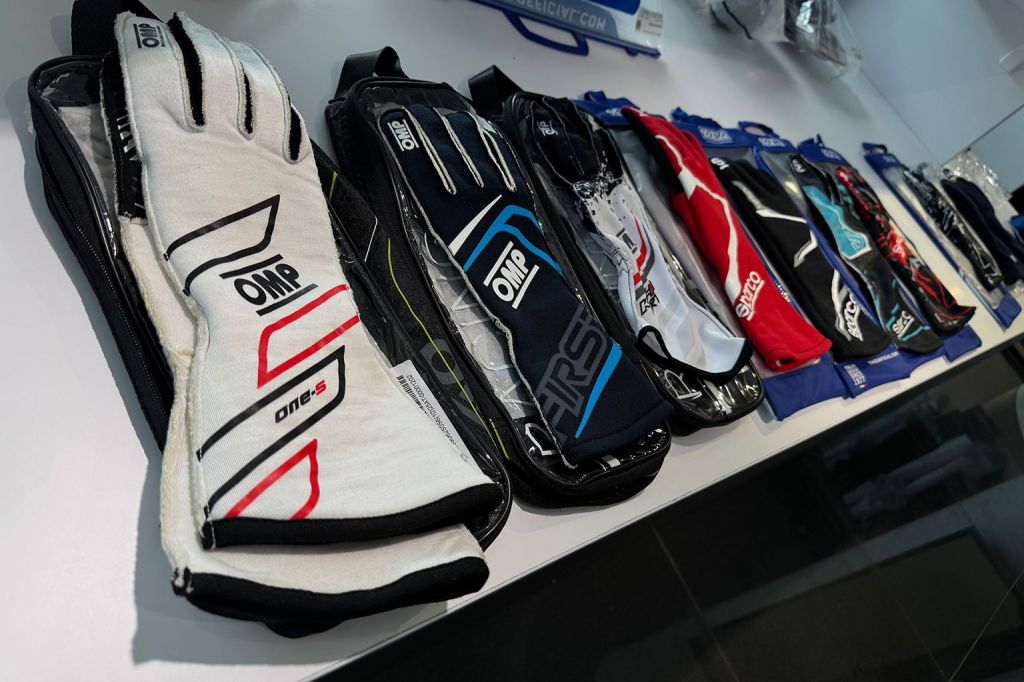
Gloves are mandatory in every professional racing series, from karting to rally. Here's how to choose between FIA-homologated and karting models - and what actually matters when fitting.
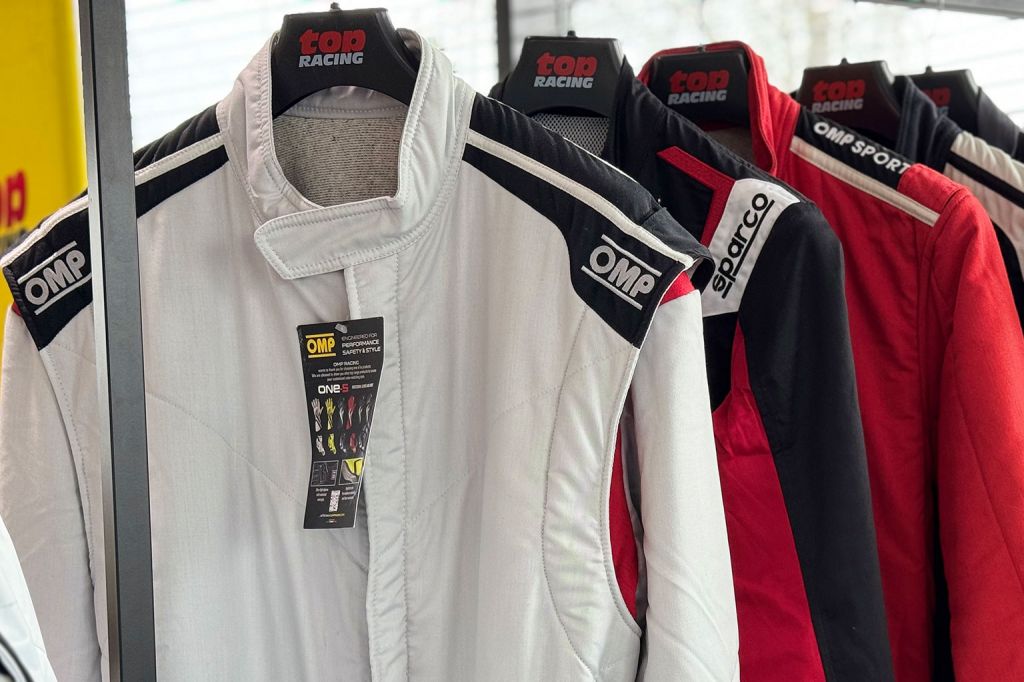
A racing suit is the most important safety purchase after the helmet - it covers the largest body area and is the first line of defense in a fire. Here's how to choose.
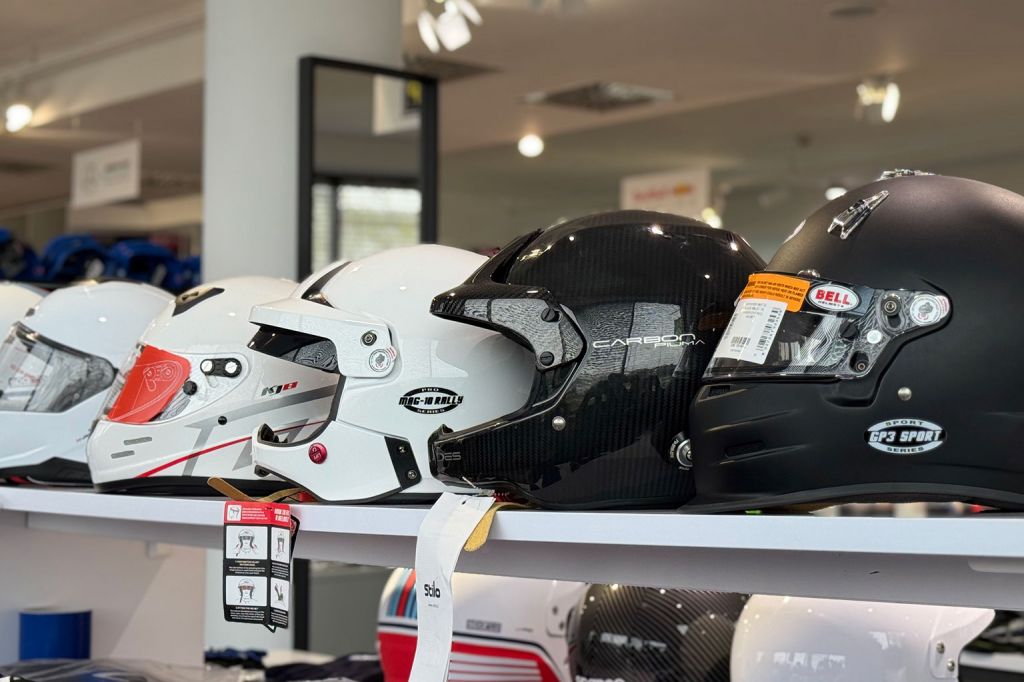
A helmet protects the most valuable thing you carry - your head. Here's how to choose the right homologation, shell material, and type for your series and budget.
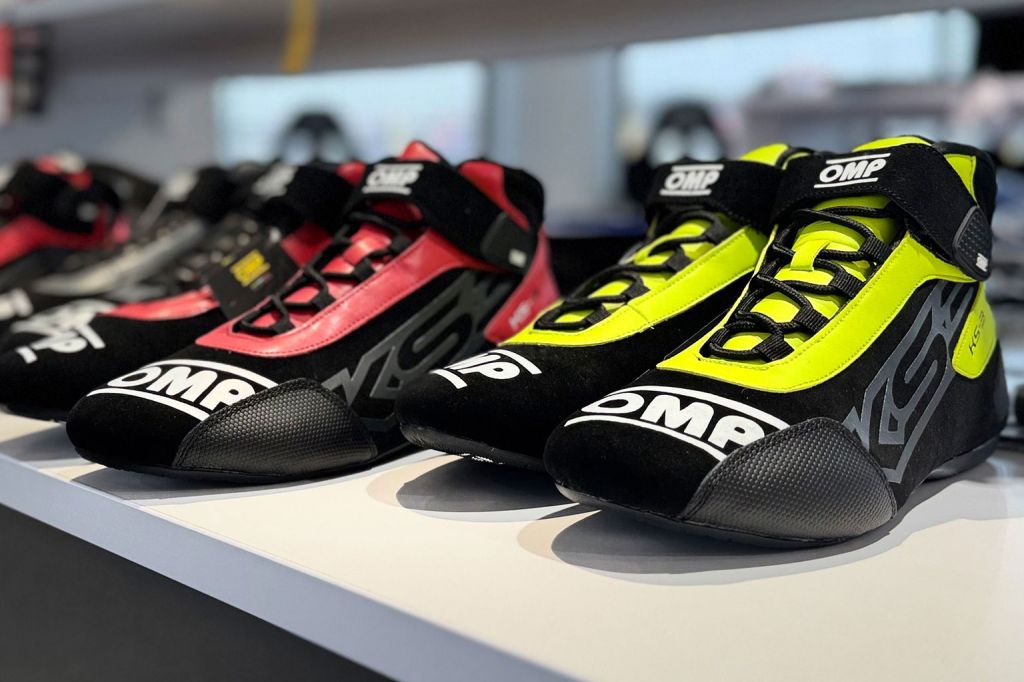
Motorsport boots directly affect precision and pedal feel. Braking, throttle modulation, clutch work - all of it depends on the right footwear. Here's how to choose.
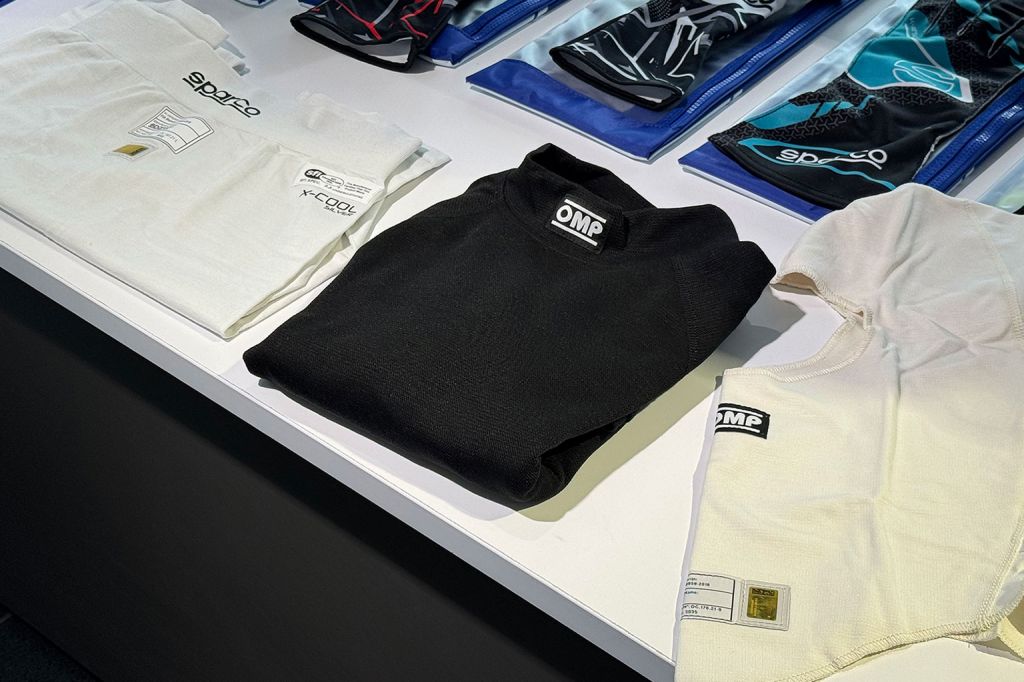
Racing underwear is the layer directly against your skin - and the most important one for fire protection. Here's how to choose between FIA and karting options.
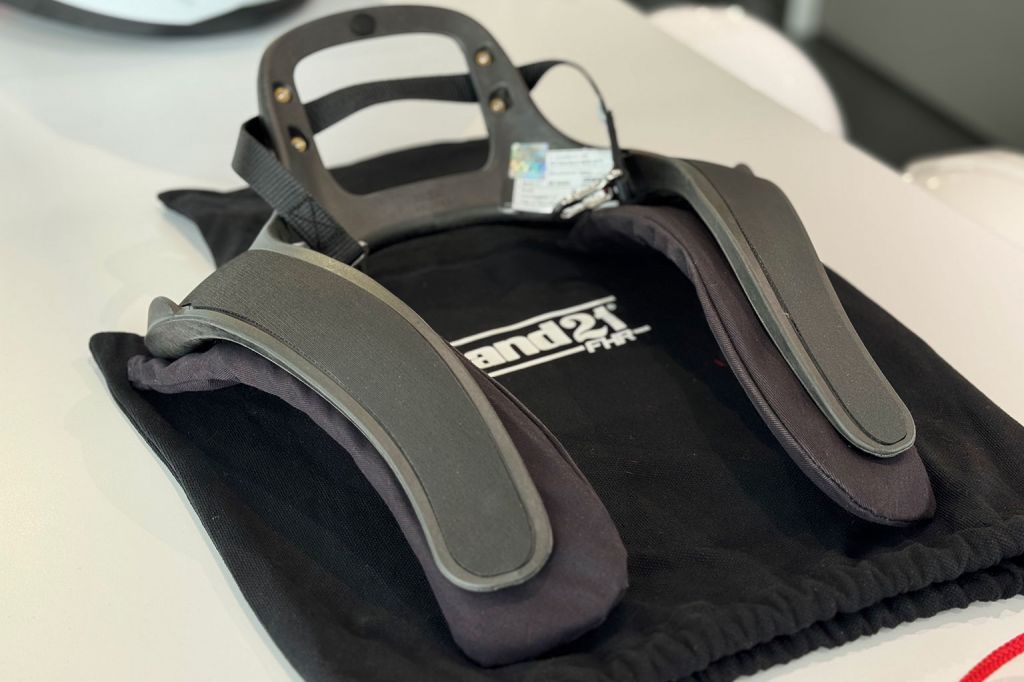
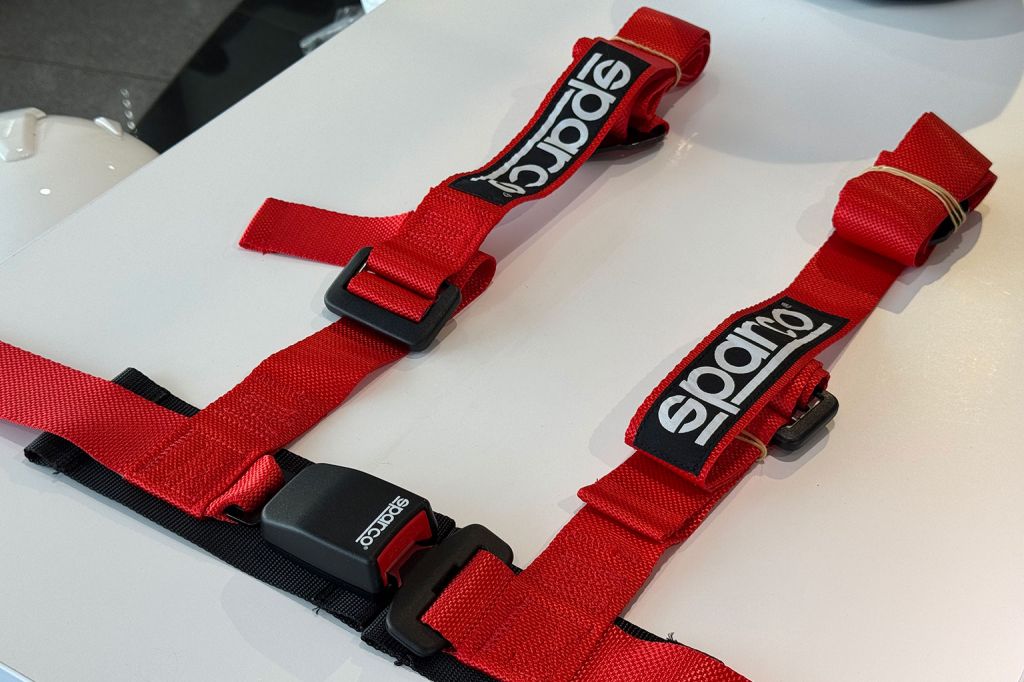
A motorsport harness does far more than keep you in the seat. Here's how to choose between ECE and FIA certification, strap width, and HANS compatibility.
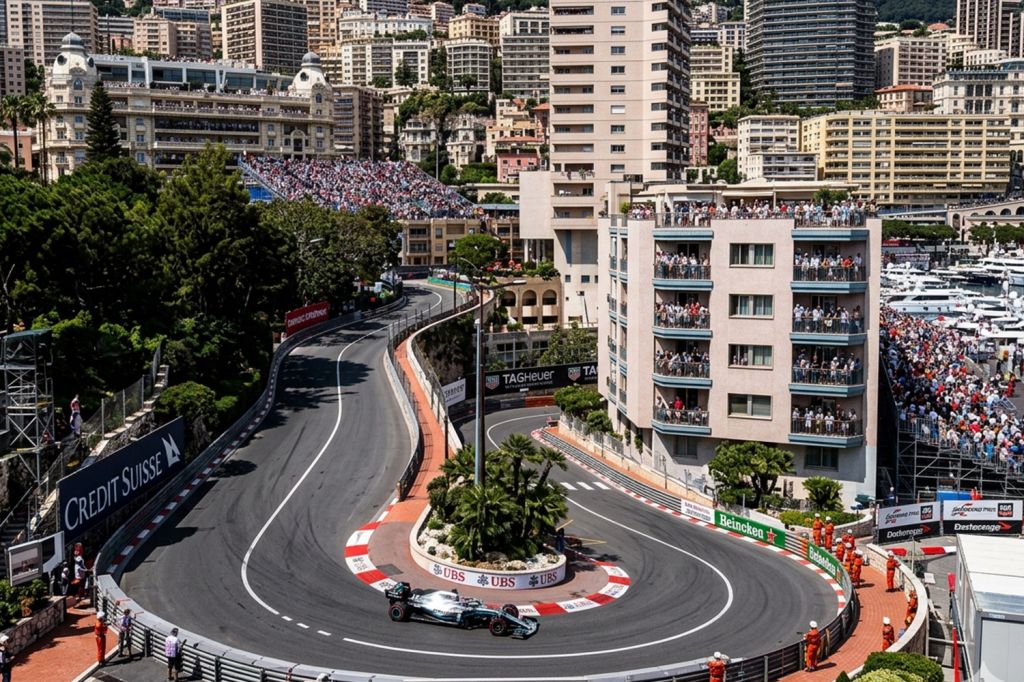
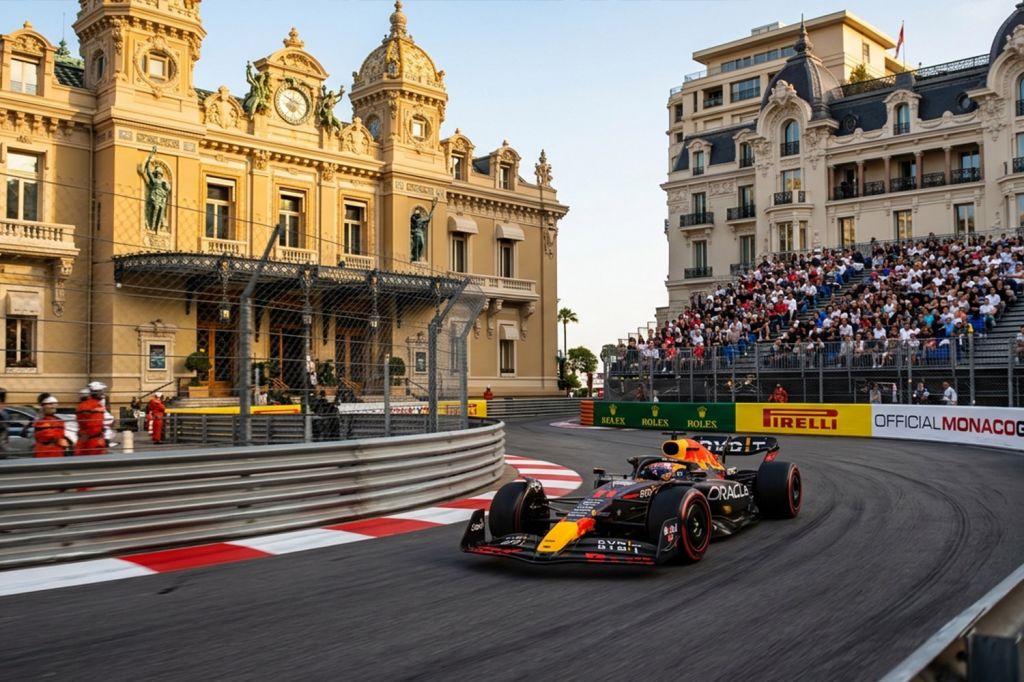
Andrea Kimi Antonelli won a chaotic Monaco GP where Verstappen stalled on the grid, Leclerc crashed twice, and Mercedes botched George Russell's penalty.
Saturday in Monaco delivered a shock pole for Andrea Kimi Antonelli, trouble for George Russell and disappointment for Charles Leclerc. Here is what it means.
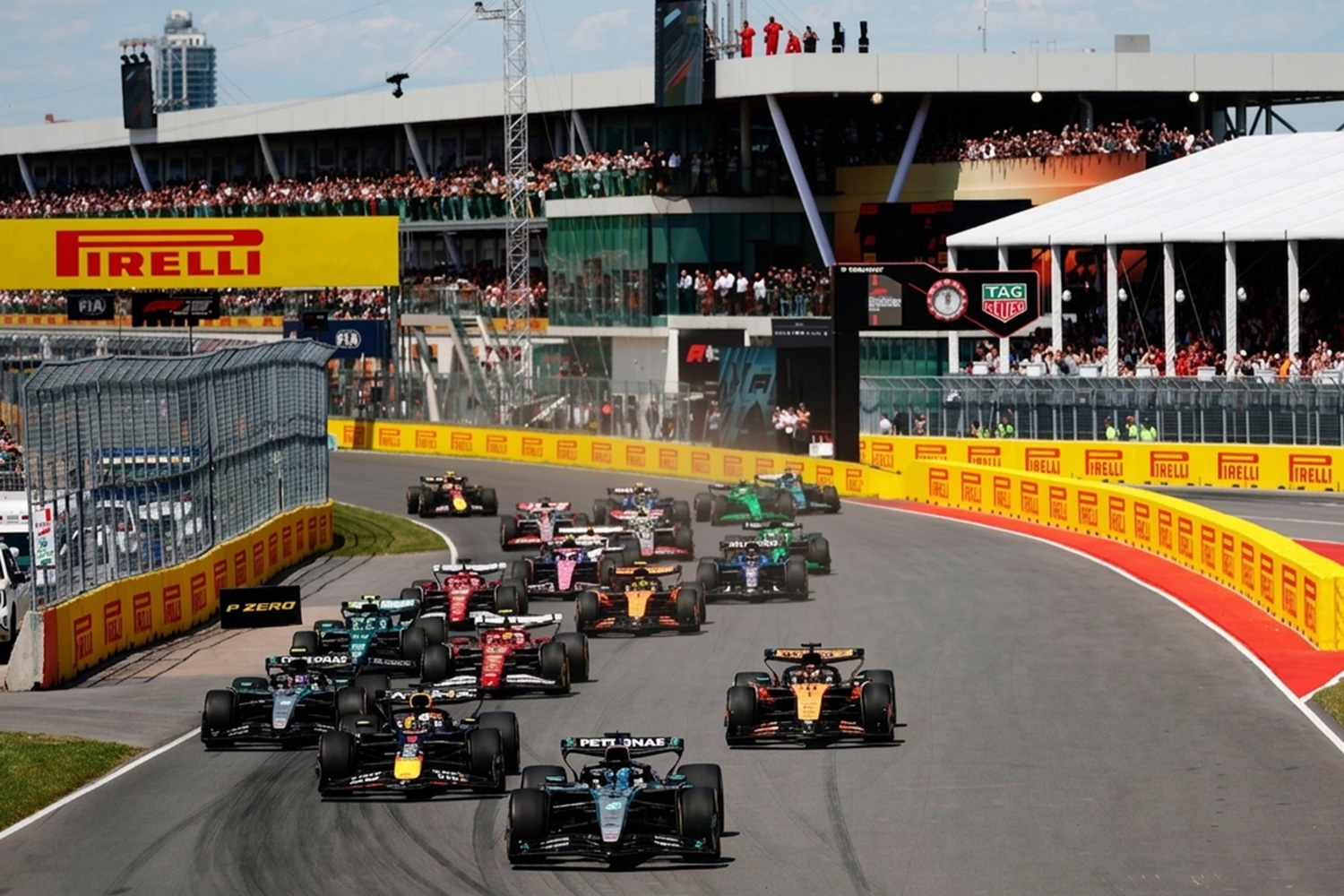
George Russell outqualified teammate Kimi Antonelli by 0.068 seconds to take Sprint pole at the 2026 Canadian Grand Prix. Mercedes locked out the front row at the Circuit Gilles Villeneuve, with Lando Norris third for McLaren and Oscar Piastri fourth. The Sprint race runs Saturday over 100 km; the Canadian Grand Prix follows on Sunday.
Round 5 at Circuit Gilles-Villeneuve marks F1's first Sprint weekend in Canada. Antonelli arrives on a three-win streak, Russell knows this circuit better than almost anyone, and McLaren's low-drag setup is built for Montreal's long straights. Race starts Sunday May 24 at 4 PM ET.